
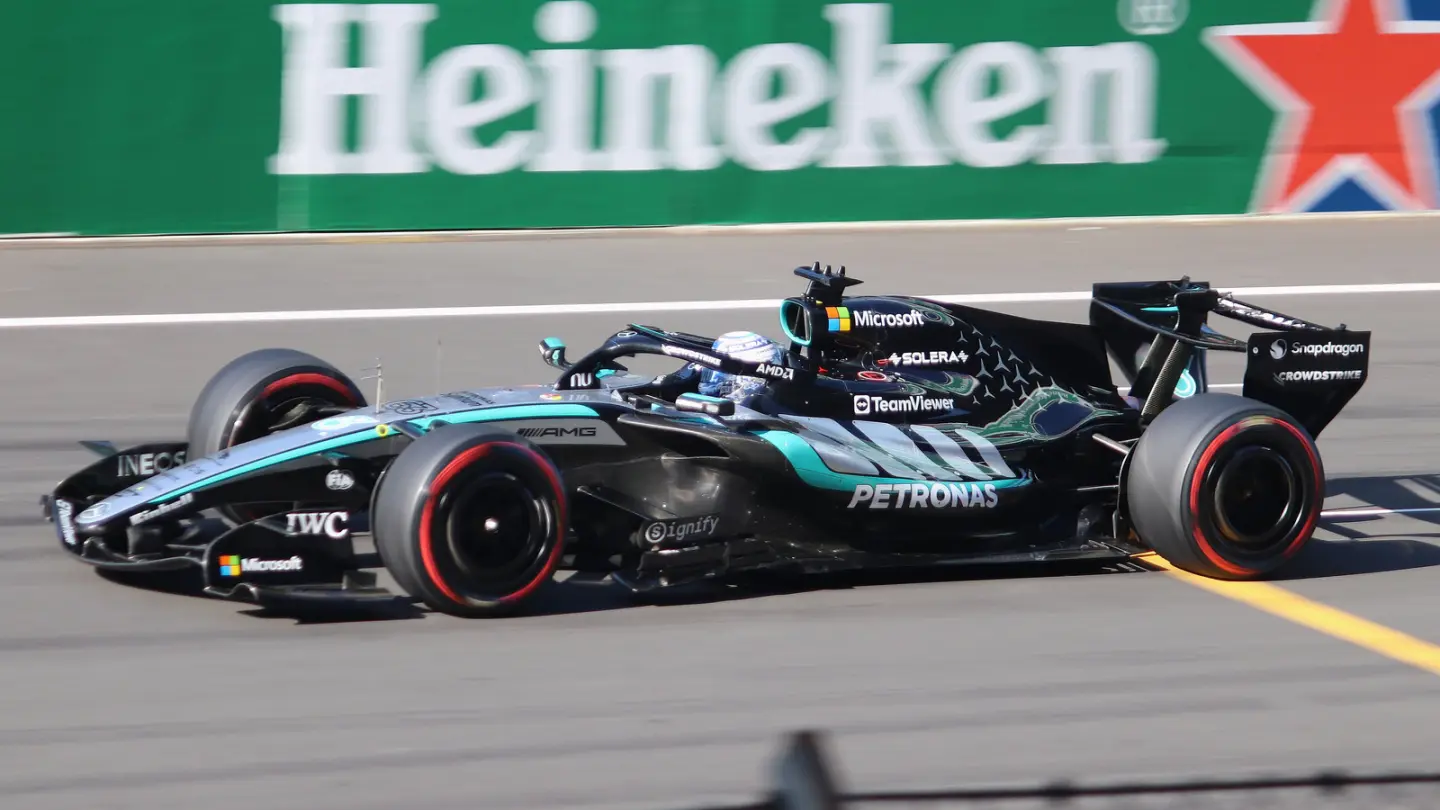
The FIA has declared the Singapore Grand Prix a heat-hazard event for both its Sprint and race, but Mercedes have decided that Kimi Antonelli and George Russell will not wear cooling vests at Marina Bay. The team said it had chosen to put resources into car performance rather than develop a system it believed would be sufficiently reliable for a full grand prix, leaving its drivers to carry compensating ballast if they decline the equipment.
The designation is the second in successive Formula 1 weekends and the fourth of the 2026 season, according to the BBC. It follows forecasts that the heat index could exceed 31C during the competitive sessions in Singapore. The FIA’s declaration permits teams to use equipment which pumps cooled liquid through a vest worn beneath a driver’s overalls.
However, the system is not compulsory for the driver. Under the rules described by the BBC, anyone electing not to wear the vest must have 5kg of ballast fitted to their car. That provision is significant because it is designed to prevent a driver declining the cooling equipment simply to gain a weight advantage over a rival who uses it.
Mercedes prioritise development spending
Mercedes deputy team principal Bradley Lord told PlanetF1 that the team had assessed the available allowance for a cooling solution and did not consider it enough to create one that would remain robust over the full race distance. He said the drivers had been involved in the decision and accepted a trade-off in which performance took priority over comfort.
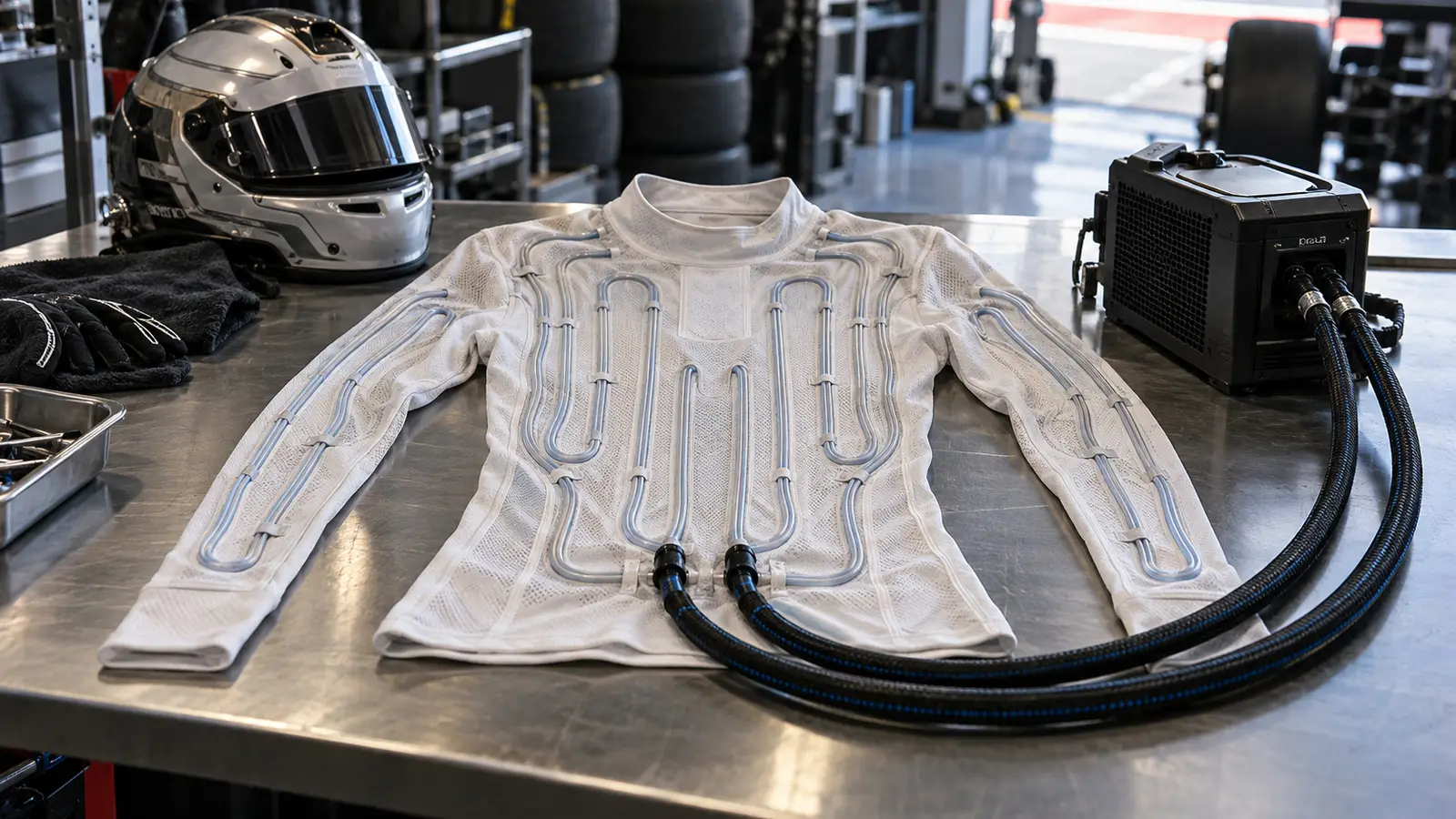
The FIA has made extra cost-cap flexibility available if teams produce working improvements. The BBC and The Race reported that a team can receive a $50,000 allowance for a cooling system capable of lasting an entire grand prix, with a further $75,000 available if it develops a vest that resolves driver-comfort problems. The Race reported that teams must demonstrate the effectiveness of the systems, either in practice or on a simulator, to trigger those allowances.
Mercedes’ conclusion was that spending on a system which did not ultimately work could absorb budget that it preferred to use on its car. Lord said the team’s cockpit cooling was in a better position than it had been a few years earlier, while acknowledging that conditions would be uncomfortable in places around the lap.
Russell had previously argued that the FIA should do more to make viable cooling equipment available across the grid, The Race reported. The British driver had used a cooling vest earlier in 2025 and said it had helped, but Mercedes will not have a race-ready version in Singapore under its current approach.
Why a heat warning does not mean every driver wears a vest
The designation addresses forecast conditions rather than imposing one technical choice on every team. Singapore is regularly among Formula 1’s more physically demanding events because of its heat and humidity, and the BBC said temperatures can remain around 30C after dark despite the night-time race. Its report also described a chance of rain across the weekend.
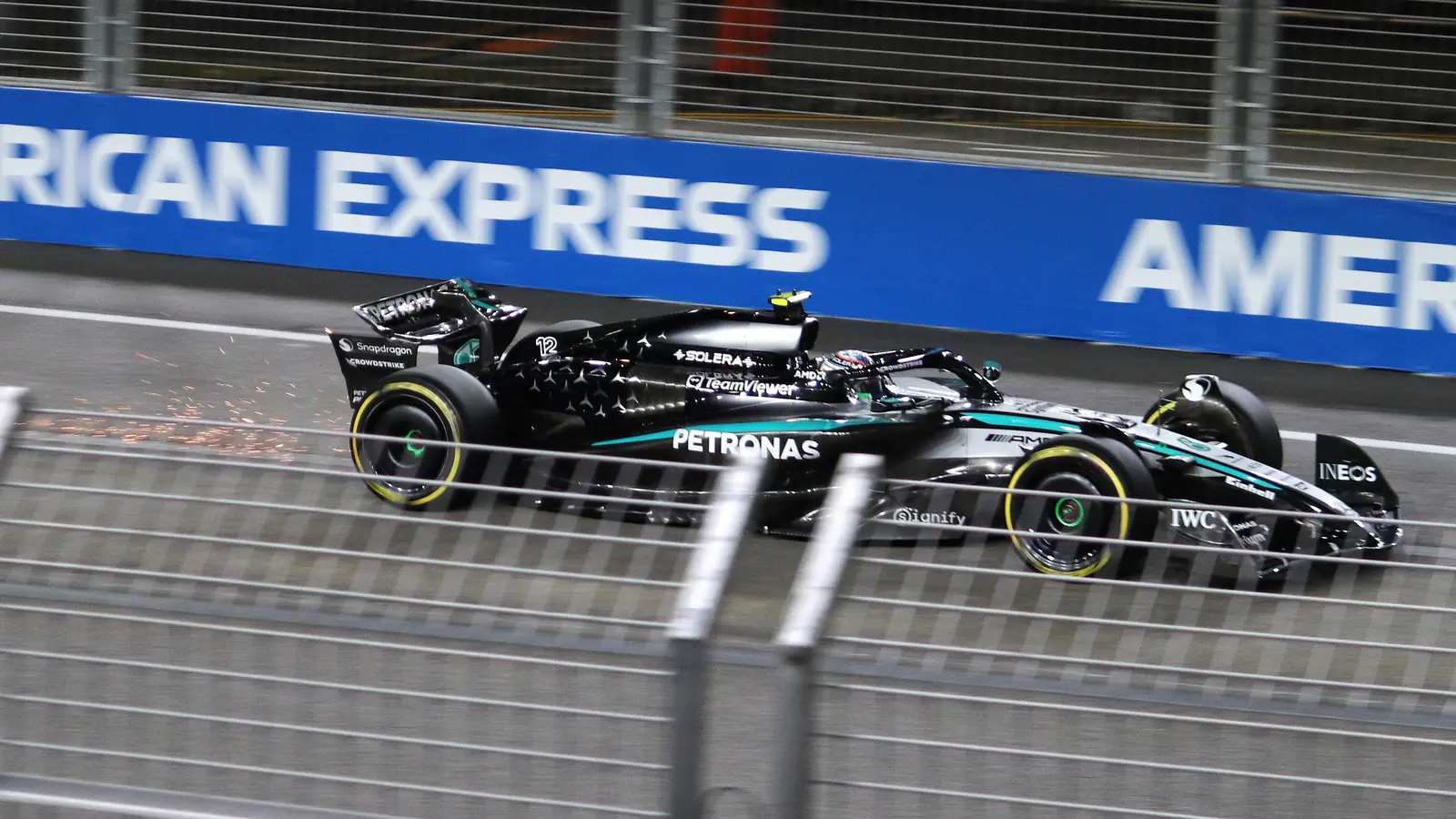
The practical difficulty is not merely fitting a vest. The Race reported that existing systems can initially circulate cool liquid effectively, but their cooling effect has often lasted only between 20 and 40 minutes. Once the liquid warms, drivers can be left with warm fluid circulating through the garment. Tubing can also be uncomfortable in the restricted space of an F1 cockpit.
Those constraints matter especially at Marina Bay. The BBC described Singapore as the longest race of the year, which makes it harder to sustain cooling from start to finish. PlanetF1 also reported forecasts of temperatures at or above 31C on all three days, alongside humidity expected to exceed 80% for Sunday’s grand prix.
| Choice under a heat-hazard declaration | Competitive consequence |
|---|---|
| Driver uses cooling vest | The car carries the cooling kit and the driver receives its potential comfort benefit. |
| Driver does not use cooling vest | The car must carry 5kg of ballast, preventing a weight advantage from opting out. |
The ballast rule means Mercedes’ decision is not a simple attempt to save weight. Instead, Antonelli and Russell will accept the prescribed 5kg compensation while relying on Mercedes’ improved cockpit cooling. The comparison also explains why the decision remains a notable one: the drivers avoid a vest Mercedes does not view as sufficiently durable, but do so in a weekend officially identified as carrying elevated heat risk.
There is recent evidence of how demanding Singapore can be. The BBC reported that Russell and Lewis Hamilton were treated for heat exhaustion after the 2024 race.