
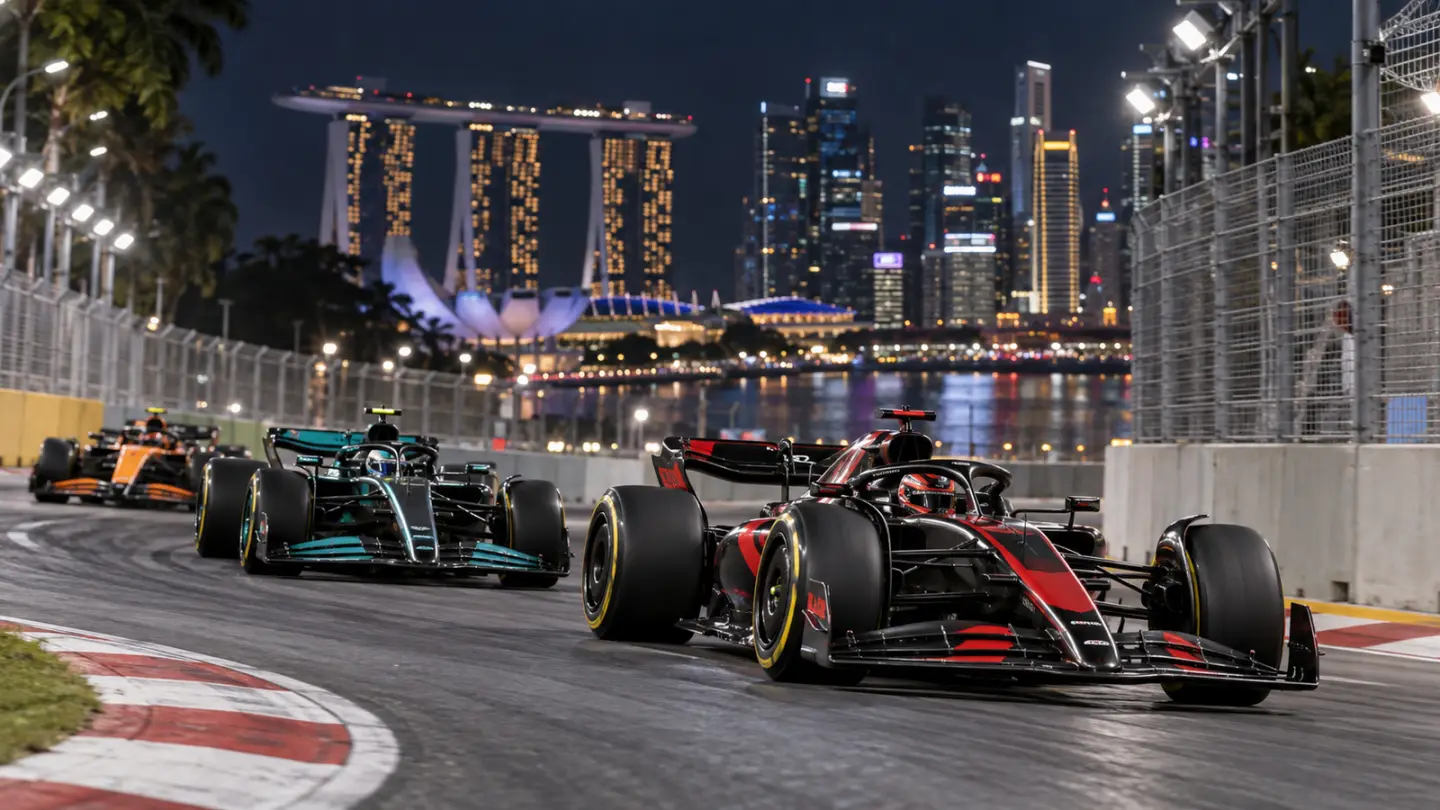
The FIA has admitted that a race-control error compromised sporting fairness during the opening phase of Sprint qualifying at the Singapore Grand Prix, after drivers were given unequal access to Overtake Mode following a red flag. Nikolas Tombazis, the FIA’s single-seater director, said the governing body believed the mistake had interfered with the SQ1 result and would analyse how it happened to prevent a repeat.
The incident occurred after Sergio Perez crashed and brought out a red flag in SQ1 at Marina Bay. When the session resumed, race control did not reactivate Overtake Mode promptly. It was then switched on briefly for 27 seconds before being deactivated again, an attempted correction that Tombazis accepted did not restore equal conditions for the field.
How the Singapore qualifying error unfolded
According to Tombazis, reactivating the system after an interruption is normally a manual process, because race control must first establish that it is safe to do so. He said a computer pop-up requiring action was not dealt with promptly amid the pressure of the live session.
Tombazis said several matters were being handled in race control at the same time. He said the missed notification was then forgotten under time pressure, before drivers’ complaints about a lack of expected power prompted officials to investigate the problem.
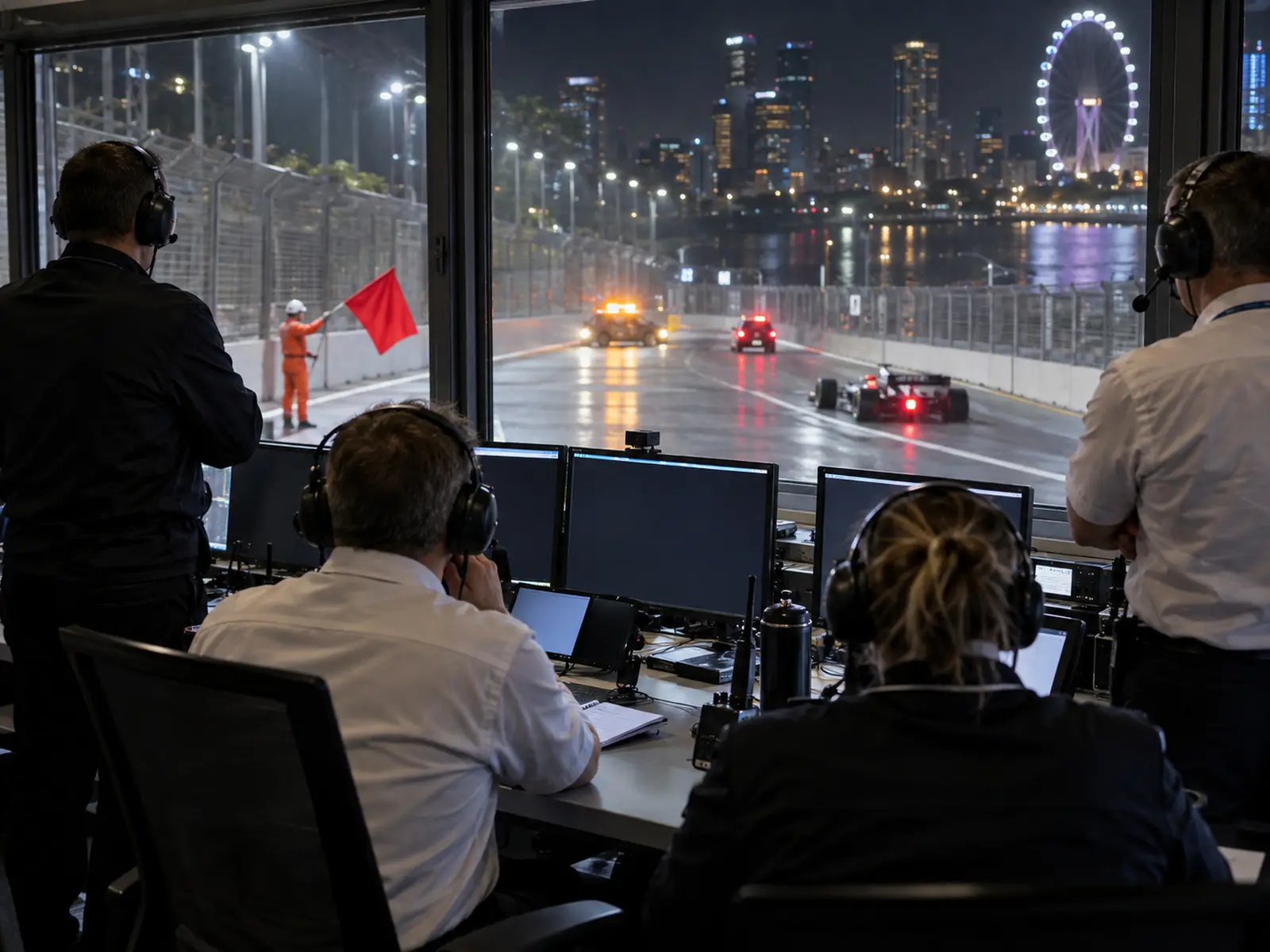
Drivers reported a lack of expected power after the restart, prompting race control to investigate. Tombazis said officials identified the missed activation, but their subsequent decision to enable the mode briefly was also wrong from a fairness perspective. The system was therefore turned off again.
The sequence matters because the 27-second activation did not apply equally to every driver attempting a decisive lap. Some competitors had access to the additional power during that short period, while others did not. The FIA said this meant the fault affected drivers to different degrees, rather than creating a uniform problem for the whole grid.
The FIA’s account identifies two distinct stages in the disruption: the delayed manual reactivation after the red flag, followed by the later 27-second activation. Tombazis said the latter decision was itself erroneous from a fairness perspective, rather than a correction that put all competitors back on the same footing.
Carlos Sainz was among those who objected after being eliminated in SQ1 and assigned 22nd on the Sprint grid. However, the FIA’s own assessment was that the conditions had interfered with the result.
Why the FIA’s admission is significant
Tombazis described safety and fairness as central priorities for the FIA and said an incorrect or unfair result was especially serious for the governing body. His acknowledgement went beyond saying that the restart had been confusing: it accepted that the procedural failure had created an uneven competitive situation during a qualifying segment.
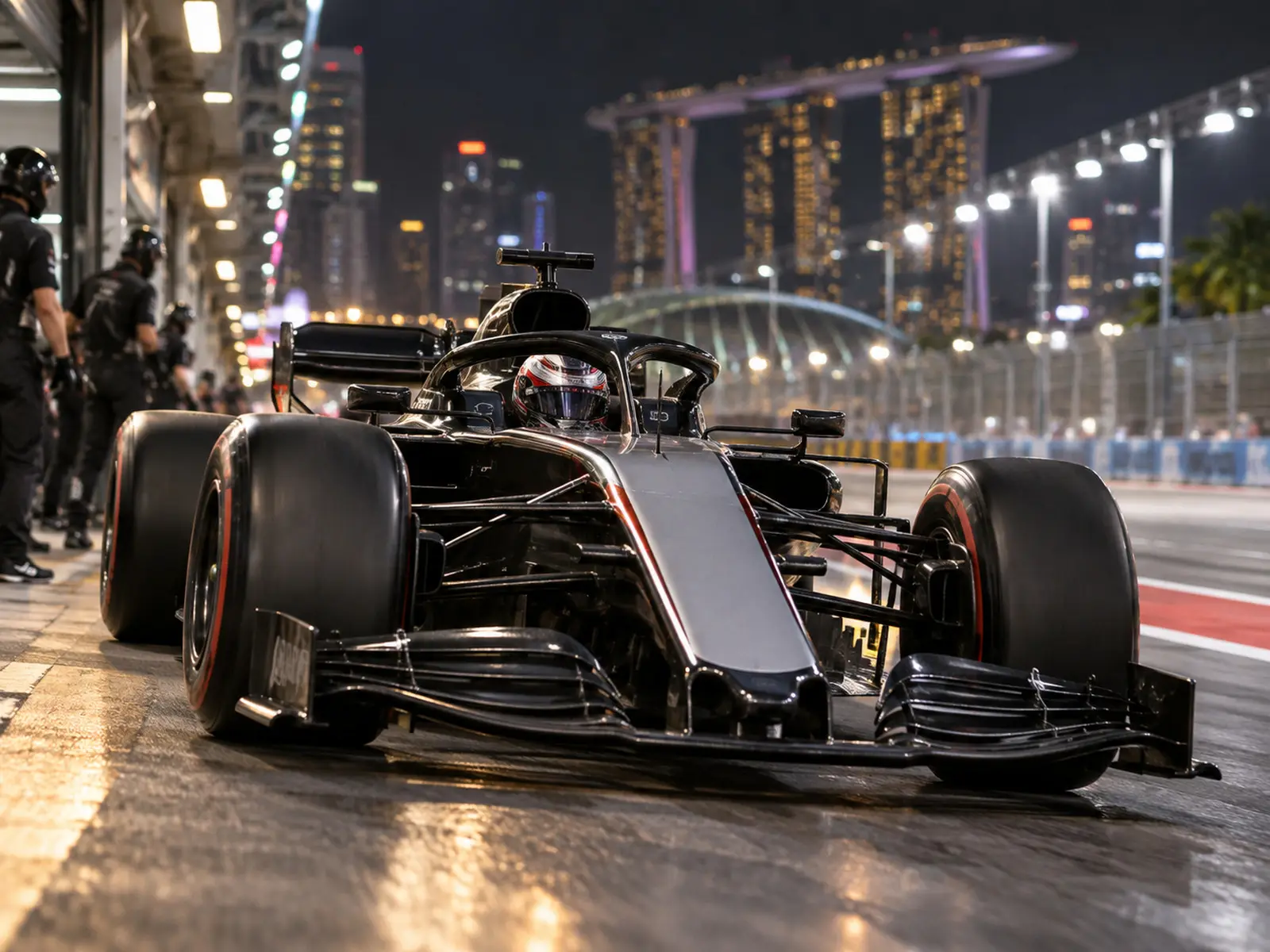
The chronology also shows why the response became more problematic. There were two separate failures: the initial missed manual reactivation after the red flag, followed by the short reactivation once officials had recognised there was an issue. The second action did not restore equal conditions. Tombazis said the brief activation was not the correct decision from a fairness perspective and that the issue affected some drivers more than others.
That distinction is important in a short qualifying format. Because the FIA said the issue affected drivers differently during SQ1, it concluded that the problem interfered with the session’s results.
Tombazis said human errors could occur in a complicated environment with several demands on race control at once, but added that the FIA had a responsibility to understand such mistakes. The FIA said it would analyse the mistake and seek to ensure it is not repeated.
For teams and drivers, the episode leaves a clear conclusion from the FIA itself: the restart was not conducted on equal terms. The admission confirms that the FIA considered the error to have affected drivers unequally and interfered with the SQ1 result.