
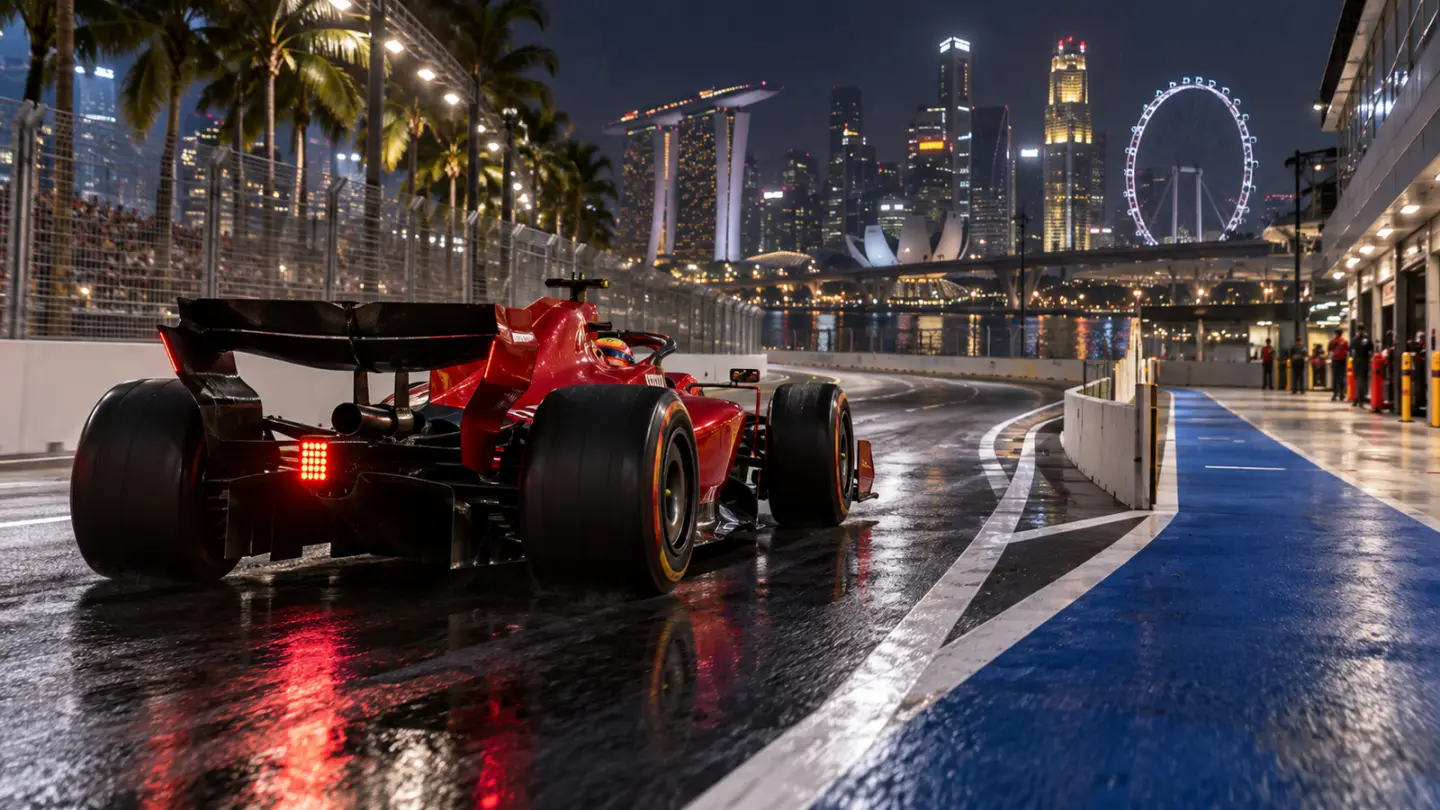
Lewis Hamilton has accepted responsibility for the strategy decision that turned a likely Singapore Grand Prix podium into sixth place, after he stayed out rather than follow Ferrari team-mate Charles Leclerc into the pits during a Virtual Safety Car period on Sunday. Hamilton said Ferrari had called him in, but after missing the pit entry he chose to protect track position on worn tyres and subsequently lost three places in the closing laps.
The British driver had been running third behind Leclerc on lap 39 of the 62-lap race when the Virtual Safety Car created a relatively low-cost opportunity to change tyres. Ferrari called both cars in, according to team principal Fred Vasseur. Leclerc pitted, but Hamilton did not, and his attempt to finish on the same soft-compound tyres unravelled as Kimi Antonelli, Lando Norris and Oscar Piastri passed him.
Hamilton apologised over Ferrari radio after the chequered flag and later said in a team statement that the outcome was his responsibility. He described the decision as a painful lesson, while saying he had tried to make a one-stop race work at a circuit where overtaking is difficult.
How Hamilton’s Singapore strategy changed
Ferrari had started the race with its drivers on different compounds. Hamilton began on medium tyres in an attempt to run longer, while Leclerc started on softs. The medium did not perform as Hamilton had hoped, forcing him to make his first stop earlier than planned on lap 18.
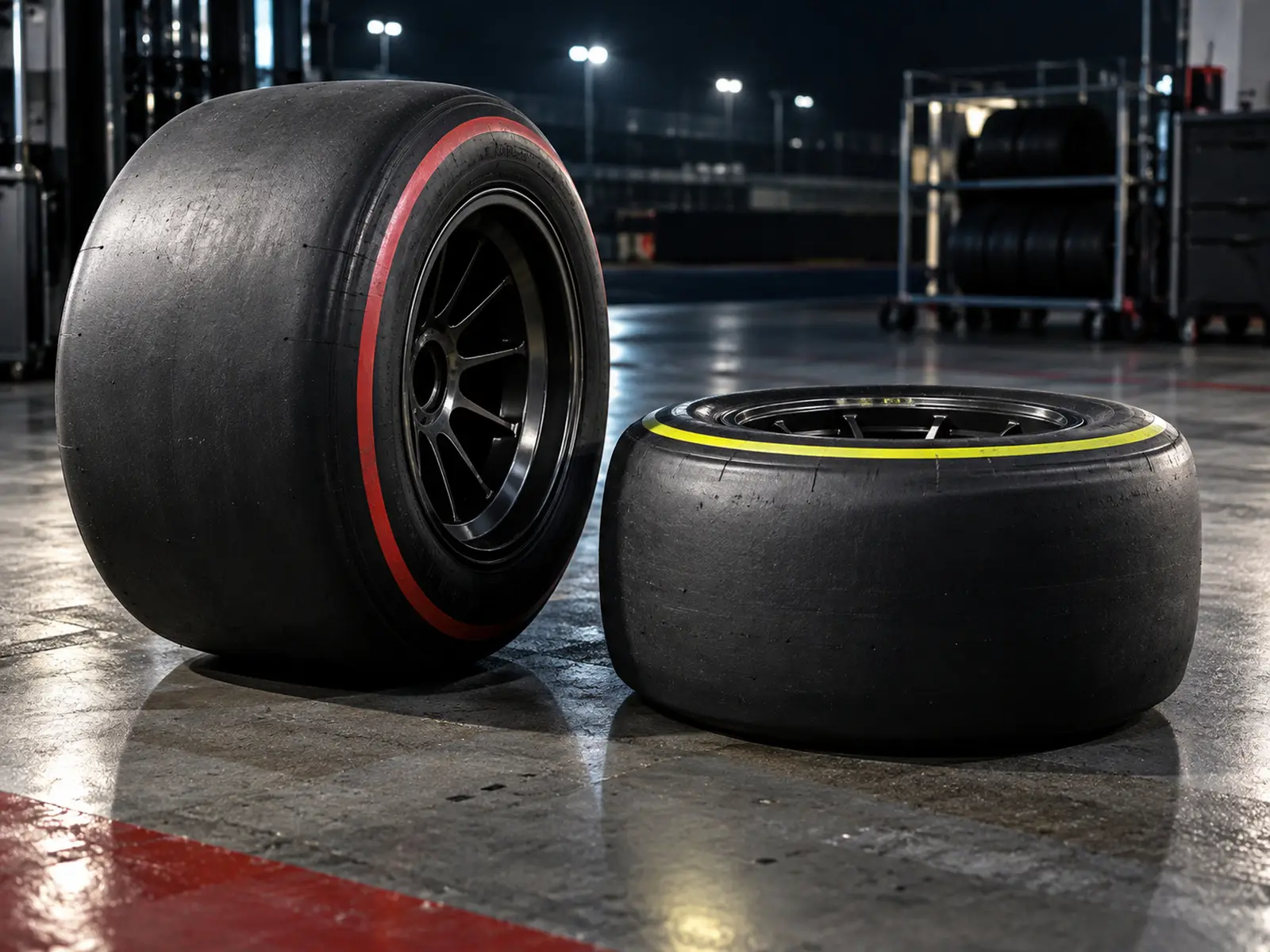
That first stop placed Hamilton on soft tyres six laps before Leclerc stopped. When Leclerc emerged from the pits, Hamilton was immediately behind him and initially quicker. Ferrari nevertheless instructed Hamilton to hold position rather than swap its drivers, with Vasseur saying Leclerc held a tyre-age advantage because he had stopped later.
Hamilton followed Leclerc for roughly 10 further laps before the second Virtual Safety Car provided the decisive moment. Ferrari had prepared to service both cars. Leclerc took fresh soft tyres, while Hamilton stayed out after missing the entrance to the pit lane.
The practical advantage of stopping under the Virtual Safety Car was substantial. The BBC reported that a pit stop in those conditions saved about 10 seconds compared with stopping while the race ran normally. Hamilton’s choice therefore did not merely preserve third place temporarily; it left Hamilton on used soft tyres while Leclerc took fresh softs, and Hamilton later struggled with degradation.
| Key stage | Hamilton’s position or choice | Effect |
|---|---|---|
| Lap 18 | First Ferrari driver to stop, changing from mediums to softs | He later chose to finish the race on that set of soft tyres |
| Lap 39 VSC | Ferrari called both drivers in; Hamilton remained out | Leclerc gained fresh soft tyres while Hamilton retained used tyres |
| Closing laps | Hamilton struggled with degradation | Antonelli, Norris and Piastri overtook him |
| Finish | Sixth place | Three positions lost from third during the VSC phase |
Why the pit call became contentious
Hamilton said his earlier soft-tyre pace had encouraged him to try to retain track position. In his post-race explanation, he said the medium tyre had been weaker than expected but that his second stint had been more competitive. He also said the team had summoned him to pit under the Virtual Safety Car, before he missed the entry and then made the decision to stay out.
Vasseur said Ferrari’s instruction had been clear and that the team believed stopping both cars would have delivered second and third. That assessment cannot establish the final finishing order, but it identifies Ferrari’s view of the opportunity Hamilton declined. Leclerc finished second behind winner Max Verstappen, while Antonelli claimed the final podium place.
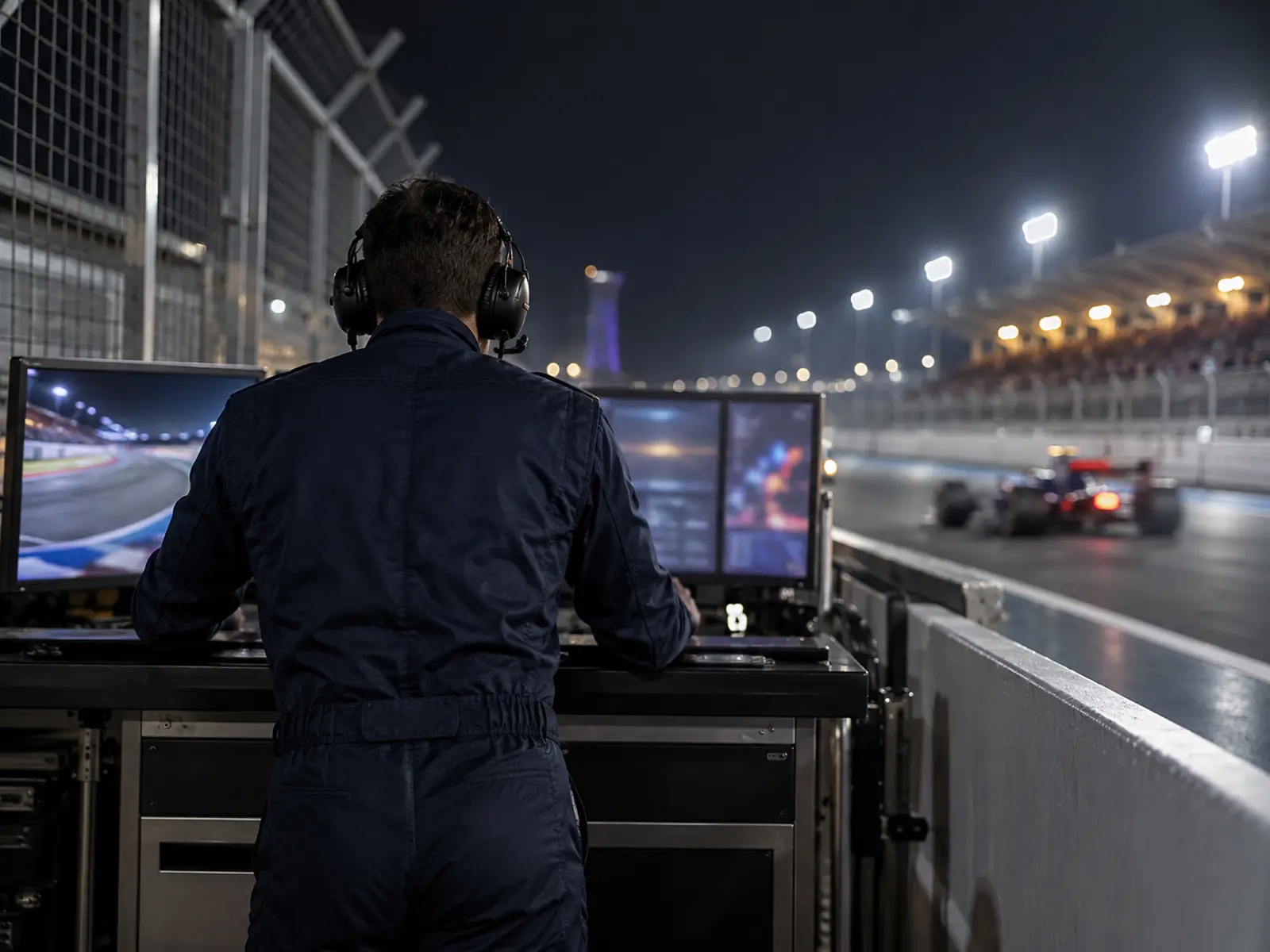
A question arose because the publicly available onboard feed did not include an audible instruction to Hamilton during the second Virtual Safety Car. RaceFans reported that this absence did not prove no conversation occurred: Formula One Management can mute messages from the broadcast feed, and Hamilton’s onboard footage showed him using the radio button during that period. Hamilton’s own statement, Vasseur’s account and Ferrari’s post-race position all maintained that he had been called into the pits.
The late tyre decline was decisive. PlanetF1 reported that Hamilton was on average 2.5 seconds per lap slower than Leclerc from lap 41 to the finish, although that comparison includes cars on different tyre conditions and should not be treated as a direct measure of their underlying pace. It does illustrate the scale of the disadvantage once Leclerc had fresh softs and Hamilton attempted to extend his stint.
Championship consequence is limited but real
Hamilton’s result did not alter the race winner, but Hamilton said his decision cost the team valuable points, while Vasseur said Ferrari believed a double stop could have resulted in second and third. He now trails Antonelli by 111 points, while Verstappen moved to within eight points of Hamilton after his second successive Grand Prix victory.
Hamilton accepted full responsibility in his post-race statement. Instead, he said he would take the lesson forward and thanked the team for its work. The race showed how the VSC decision split Ferrari’s outcomes: Leclerc used the stop to finish second, while Hamilton remained out and finished sixth.