
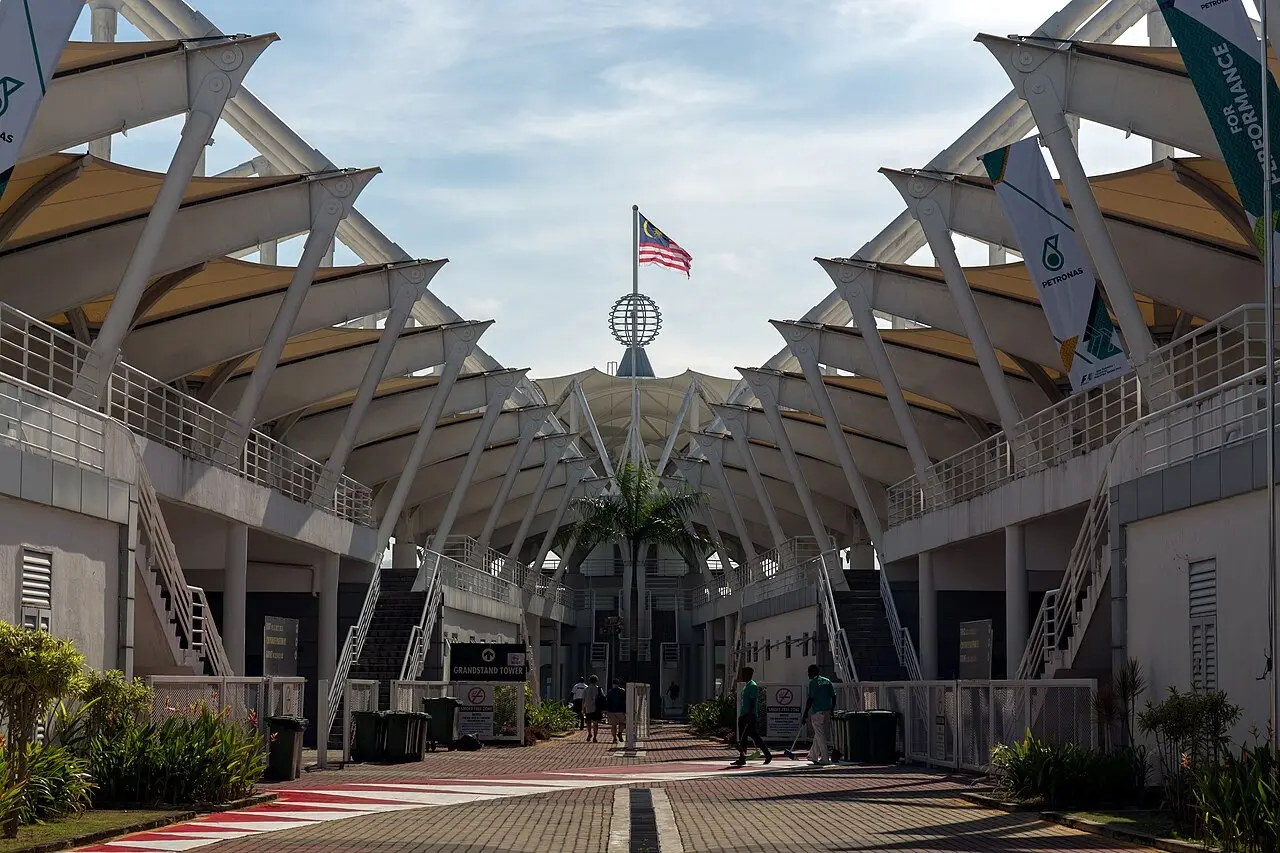
Formula 1 teams face an unexpected tyre-management problem at Sepang after Friday practice for the Bahrain Grand Prix in Malaysia revealed a rough, low-grip surface that was breaking up and producing lap times far slower than Pirelli had forecast.
Pirelli said single-lap runs were up to 4.5 seconds behind its qualifying simulations. The tyre supplier’s chief engineer, Simone Berra, said loose stones had emerged from the tarmac and sweepers had been sent out repeatedly, including after second practice, to clear the circuit.
The Bahrain Grand Prix is being held at Sepang rather than its usual Sakhir venue this weekend. While practice remained dry despite a threat of rain, the early evidence pointed to tyre degradation, rather than outright one-lap speed, becoming the central variable for qualifying and Sunday’s race.
Rough tarmac changes the weekend’s priority
Berra described the surface as manageable rather than a puncture safety concern, but said it could deteriorate further when the full field runs together in high temperatures during the race. The immediate effect was low grip, with sliding on the abrasive asphalt increasing tyre surface temperatures.
Pirelli recorded degradation of around two to three tenths of a second per lap on both the medium and soft compounds. Berra said the conditions could create a compounding problem: sliding raises tyre surface temperatures, which reduces grip and can in turn cause further sliding.
That makes car balance and driving style unusually important. A team seeking a set-up that protects tyres over a long stint may not necessarily have the same temperature balance required for a qualifying lap. Berra said some teams had struggled to have their front tyres ready for Turn 1 after the long run from the final corner, leaving scope for differences between Saturday pace and race pace.
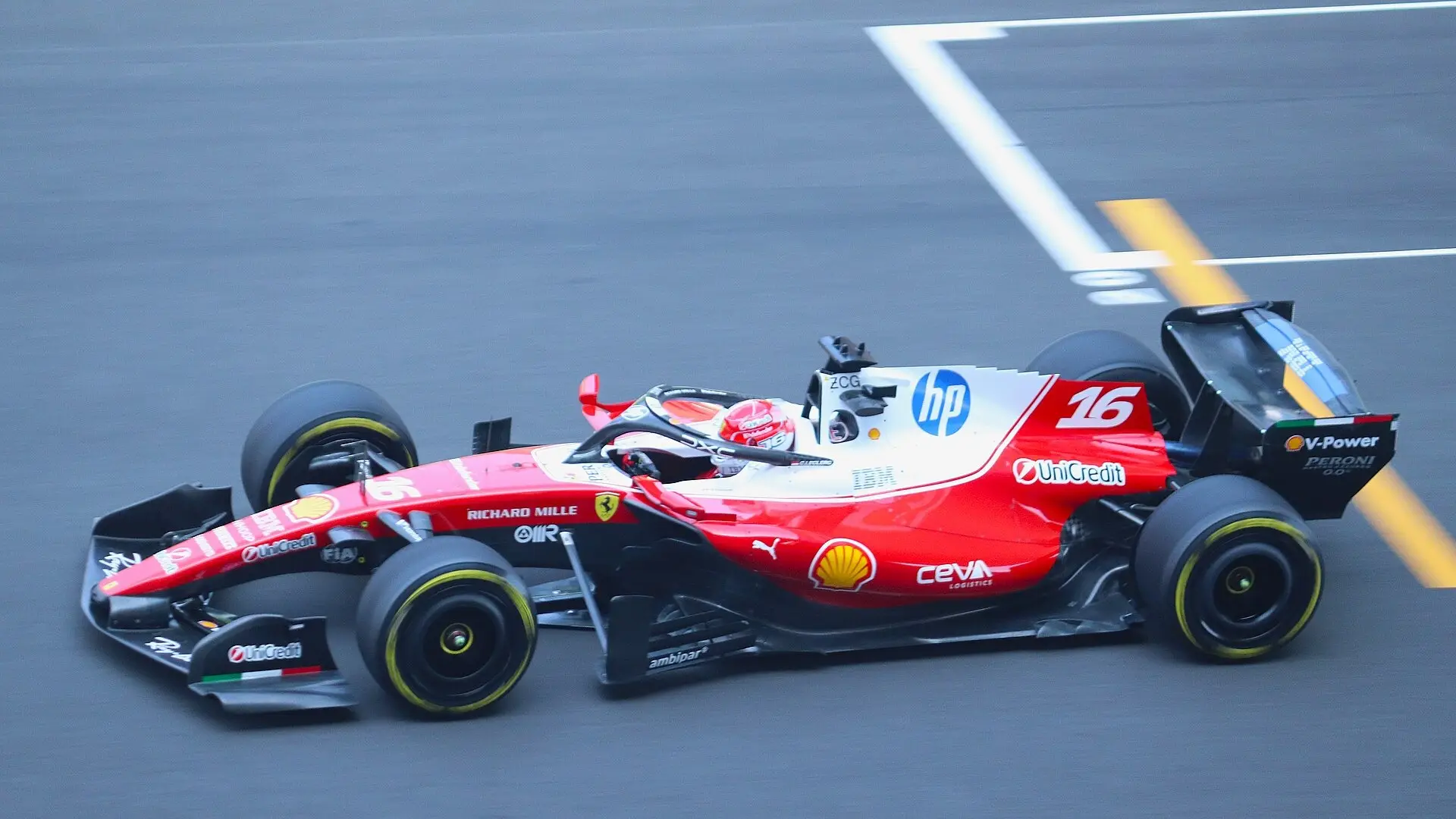
Ferrari’s Charles Leclerc was fastest in FP2, but said degradation would be the weekend’s main subject after describing the circuit as dirty, slippery and difficult. He also cautioned that Friday’s order could change as the track evolved and suggested Red Bull had more pace to reveal.
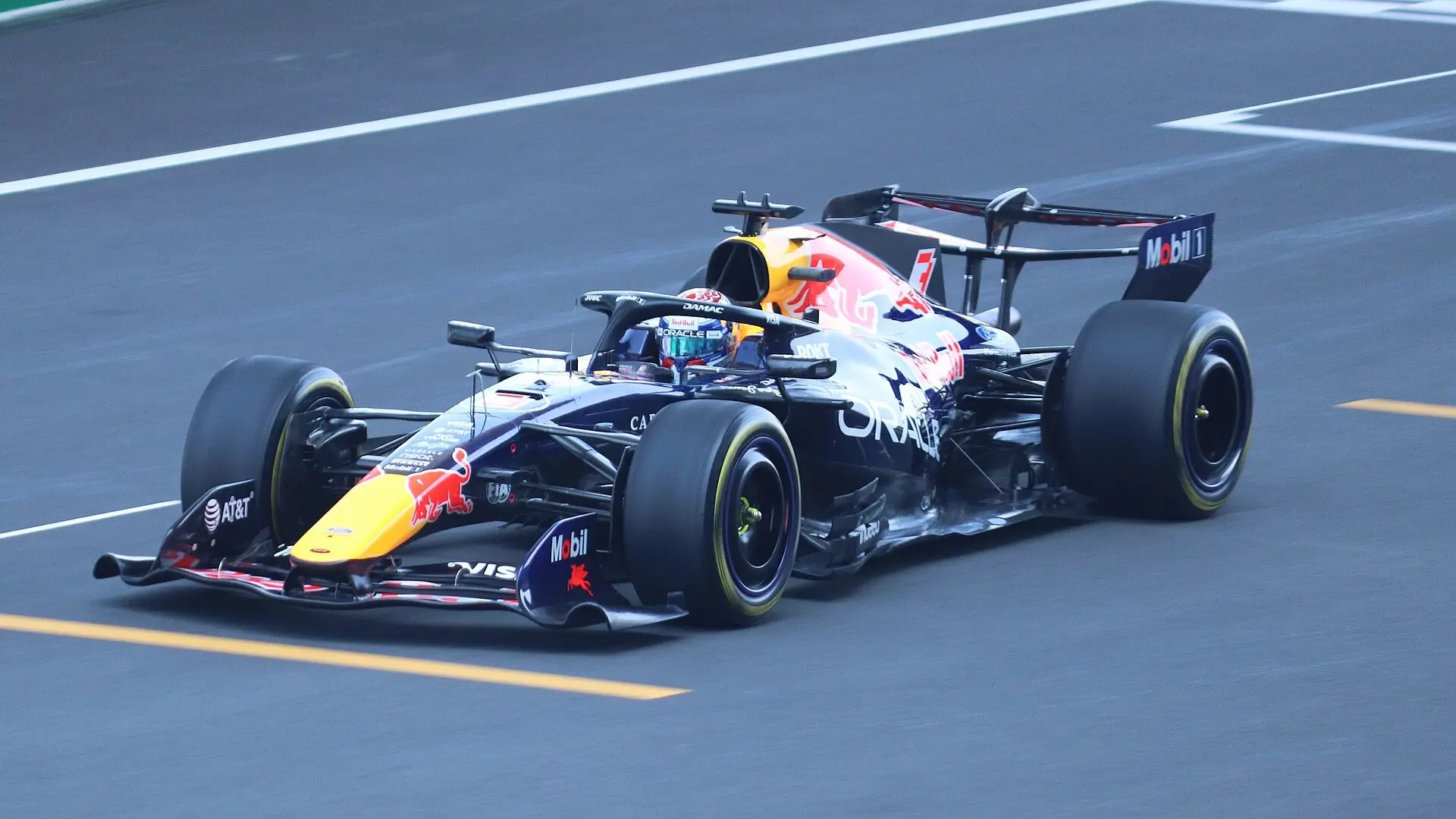
Red Bull’s programme reinforced the limited value of the timesheets. Max Verstappen was fourth in FP2 without using the soft tyre, after the team chose a medium-tyre long run when rain had been expected. Technical director Pierre Wache said Red Bull had prioritised information on tyre behaviour and degradation, particularly on the medium, and consequently ran out of time for a soft-tyre effort.
Mercedes face an overheating compromise
The conditions carry particular relevance for Mercedes, whose new aerodynamic package was on both cars on Friday. George Russell said the combination of heat, aggressive tarmac and Sepang’s characteristics had produced high degradation and tyre overheating, partly cancelling out the potential benefit of the added downforce.
Mercedes trackside engineering director Andrew Shovlin said the team had been chasing a difficult balance rather than seeing the lap-time step it had hoped for from the update. He said the greater concern was long-run pace, where Mercedes appeared unusually offset, even though the team believed Friday’s headline laps were not representative.
Russell finished seventh and Kimi Antonelli eighth in FP2, with both drivers making errors at the final corner on their soft-tyre attempts. Antonelli said the low-grip track was likely to improve through Saturday and Sunday, but identified Red Bull, McLaren and Ferrari as competitive on higher fuel.
Strategy is therefore likely to be shaped by how effectively teams control temperatures rather than by a simple preference for the hardest compound. Berra said all three available compounds remained usable, with a two-stop race the most likely initial expectation and a three-stop contest also possible. McLaren’s Randy Singh similarly said the degradation figures pushed the baseline towards two stops, while noting that other factors, including a Safety Car, could alter the calculation.
Rain remains an additional uncertainty. The rain forecast that influenced Friday run plans did not materialise during practice, but teams will enter the remainder of the weekend with limited data and an evolving surface. Based on Friday’s degradation data, tyre preservation could matter more than usual over a stint, although the eventual competitive order remains uncertain.