
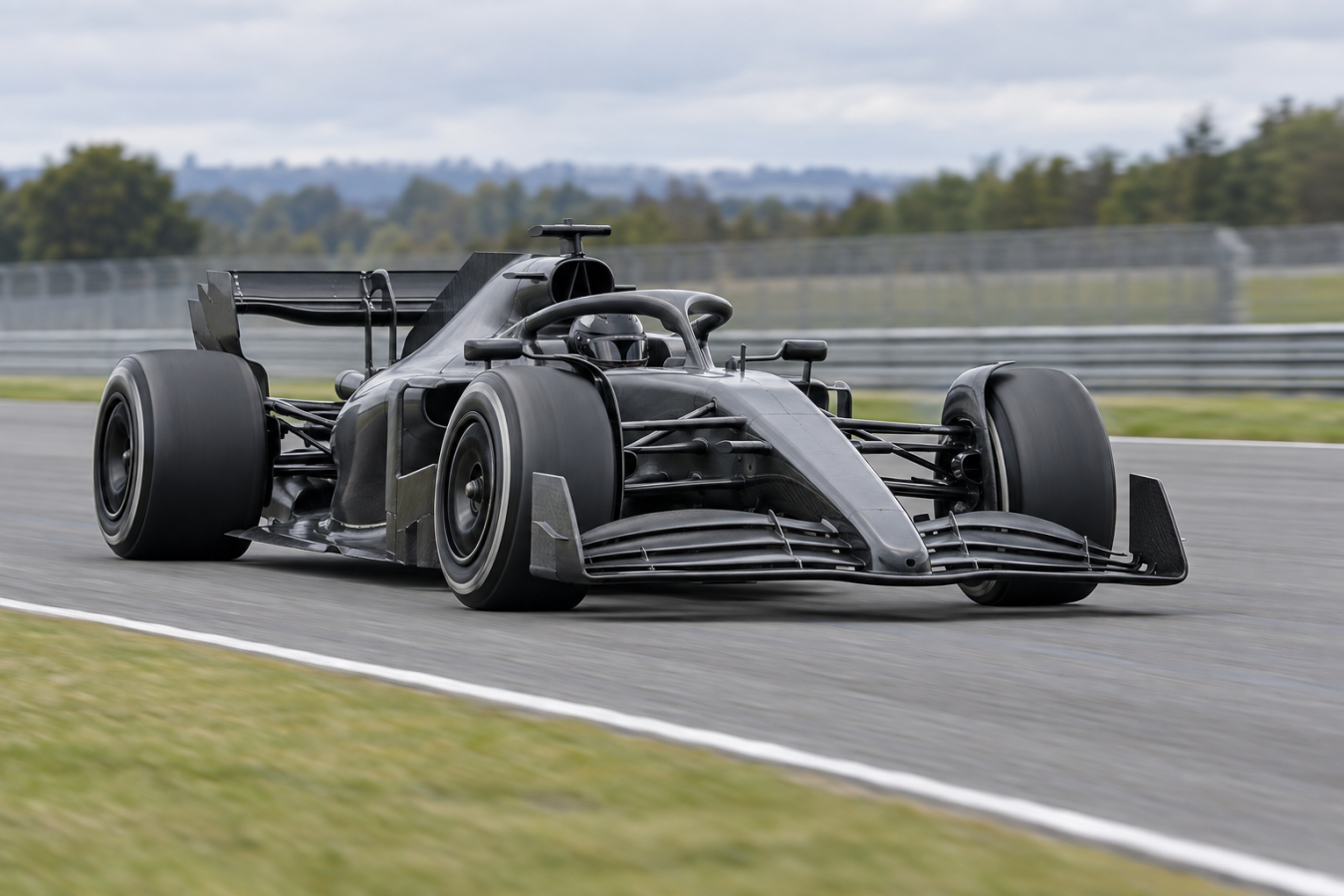
Formula 1 is aiming for higher-degradation tyres in 2027, which could result in fewer one-stop races. The tyre supplier is testing construction options intended to create more heat and thermal wear, rather than focusing solely on changing how a car handles.
The direction follows a 2026 season in which one-stop races have been common. According to The Race, nine of the first 15 grands prix have been completed with the majority of the field, including the winner, making only one pit stop. While some events have produced greater tyre wear, the report said a one-stop approach has generally been favourable at most circuits.
Pirelli chief engineer Simone Berra said the company’s target was to raise tyre degradation levels. He indicated that its work had examined structural solutions affecting both front and rear tyres, with the aim of increasing heat generation and thermal decline during a stint.
Berra said Pirelli’s objective was not principally related to car balance or stability. Instead, he said the company had investigated different structural approaches to create greater degradation at the front and separate options for the rear axle. Berra did not detail those solutions in his comments.
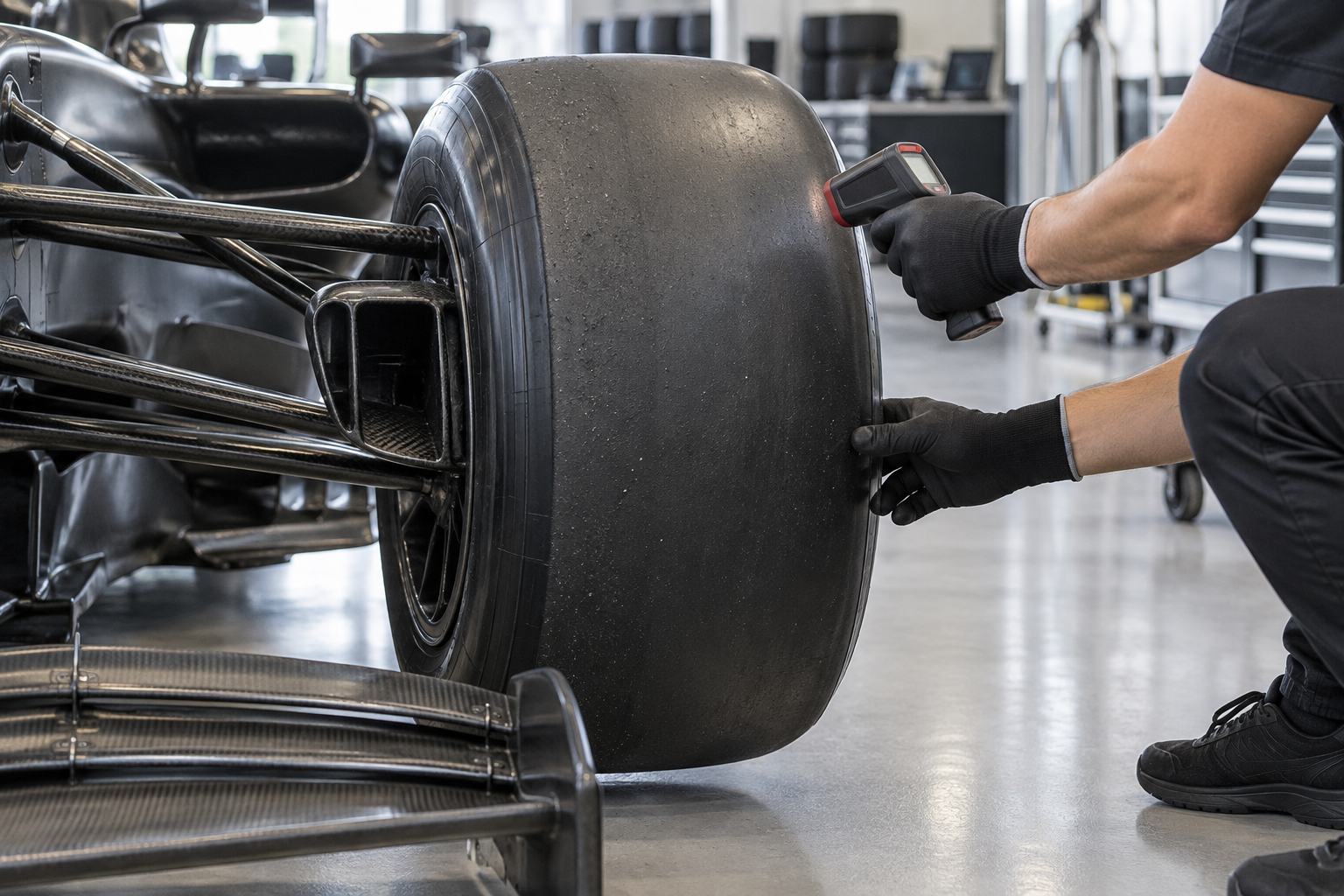
Real 2026 machinery gives Pirelli a clearer base
The 2027 programme differs from the development process for the current tyres because Pirelli can now use actual 2026 cars and power units at designated test days. Berra said using real 2026 cars had given Pirelli a clearer picture for the programme.
When the 2026 range was developed, no complete 2026 car existed. Pirelli instead had to rely on teams’ forecasts about downforce and tyre loads, plus mule cars with basic 2026-style aerodynamics. Those cars did not use the 2026 power units and their particular characteristics.
The Race reported that teams’ simulation estimates had varied markedly. In August of the previous year, it was reported that there had been up to a 30% spread in projected downforce between team simulations, equivalent to around four seconds per lap. Pirelli therefore had to create a tyre range capable of working across a broad range of anticipated car performance.
That earlier uncertainty helps explain why the 2027 test programme is focused on gathering information from the current machinery rather than relying only on forecasts. It does not establish that every circuit will produce the same tyre behaviour, but it gives Pirelli a more representative platform on which to assess the structural changes it is considering.
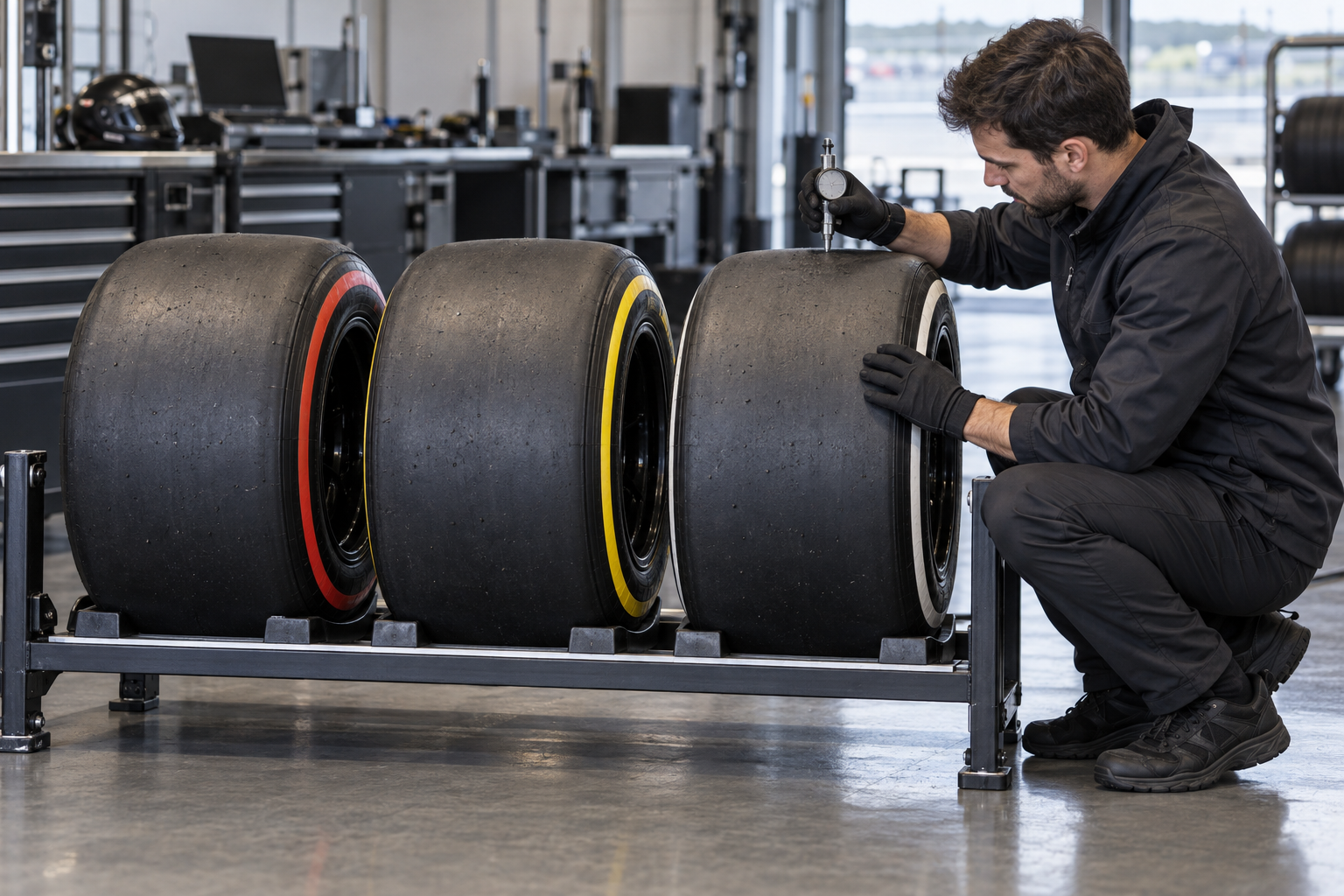
Berra said testing with the genuine current cars had given Pirelli a clearer understanding than the mule-car process. The tests give Pirelli data from current cars as it continues structural and compound development for 2027.
Testing continues before compounds are fixed
Ferrari and Racing Bulls recently completed 400 laps between them at Imola while testing the 2027 tyres, The Race reported. Ferrari’s running was shared by Lewis Hamilton, Charles Leclerc and Antonio Giovinazzi, while Liam Lawson and Arvid Lindblad drove for Racing Bulls. The test followed the Spanish Grand Prix in Madrid.
Pirelli has also explored separate structural solutions aimed at raising degradation at the front tyres and at the rear axle, Berra said. The company has not detailed those options, and Pirelli still has testing to complete before defining the 2027 compound range.
The next scheduled 2027 tyre test is due at Magny-Cours in mid-October. Pirelli is expected to use the French circuit’s artificial watering system there as part of wet-weather tyre work for next year.
Pirelli’s stated aim is to increase degradation, while compound-range testing remains unfinished. The evidence does not establish how many stops individual 2027 races will require.