
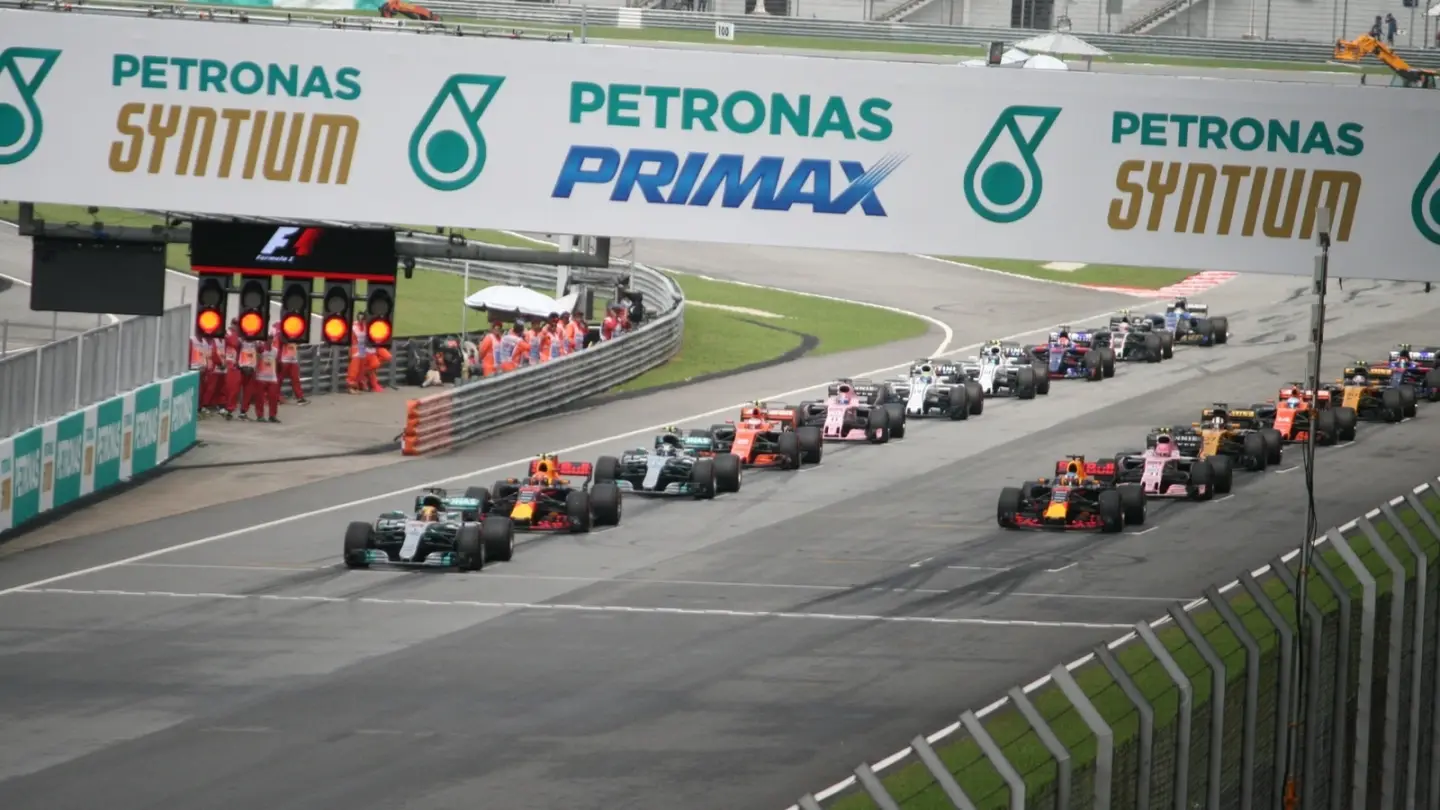
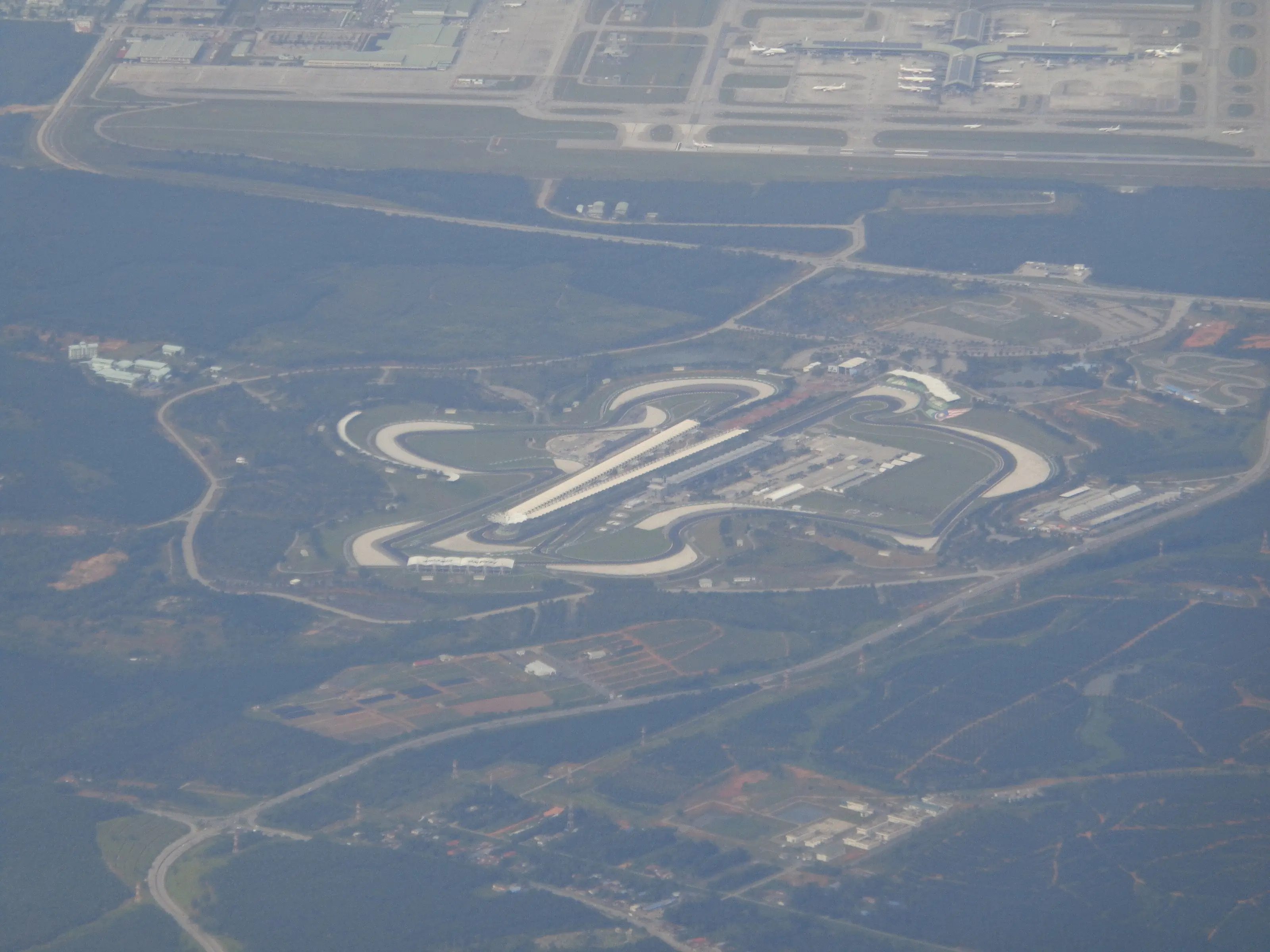
The FIA is to carry out a full review after a software-related loss of power affected several Formula 1 cars on the formation lap for the Bahrain Grand Prix in Malaysia, contributing to a delay of more than an hour before the race at Sepang could begin.
The formation lap took place behind the Safety Car after a thunderstorm and heavy rain, but a number of drivers then slowed dramatically as their cars struggled to accelerate.
According to the FIA explanation reported by RacingNews365 and RaceFans, the issue resulted from an unprecedented combination of low engine speed, low-grip conditions, wet-weather energy-management settings and the circuit’s sector configuration. The governing body’s technical department had to implement an updated software release before the event could proceed.
RaceFans reported that the cause was a software parameter set by the FIA, which required new settings to be applied to the cars. Its account said the race had already been delayed by rain before the formation-lap problem added almost another hour to the wait.
Several drivers used the incident to criticise the complexity of the power units and electronic systems. The FIA said a number of cars experienced unintended loss of power under the stated conditions. The reports indicated that multiple cars were affected in the same low-speed, wet conditions.
Drivers describe confusion on a crowded formation lap
Max Verstappen, who started the race from pole position, said the engines and software were complicated. He suggested that the incident was not the kind of spectacle Formula 1 wanted and said he hoped the sport would learn from it.
Pierre Gasly characterised the lap as the most chaotic of his career, saying competitors had received limited information.
Lewis Hamilton compared the pace of the affected cars with Formula 1’s promotional Lego-car running in Miami. His point was that the field had been reduced to moving at an extremely slow speed rather than conducting a normal formation lap.
RaceFans reported that Verstappen and several cars behind him had slowed to a crawl because their power units would not permit normal acceleration. The outlet also said the race, already held up by rain, was postponed for almost another hour as revised settings were applied.
Oliver Bearman said he had experienced a throttle-pedal glitch and was surprised that the problem could affect the response to his input. Arvid Lindblad reported that he temporarily had no power and that pressing the throttle did not make the car move.
Sergio Perez said the episode was unacceptable for the sport, while adding that he expected Formula 1 to learn from it. Gabriel Bortoleto said the delay was a shame because the wet conditions might have produced an interesting race, but he accepted that the fault had to be fixed and that doing so took considerable time.
Concerns extend beyond the delay
George Russell said the power units were exceptionally complicated and argued that more complexity created more scope for failures. Lando Norris said the incident reinforced his opposition to the electronic systems involved.
Charles Leclerc took a more guarded position but said the episode was not good enough. He added that drivers had been raising related issues and warned that he did not expect rapid solutions because the underlying problems stemmed from decisions made some time ago.
Leclerc’s remarks set his response apart from the immediate frustration expressed by several rivals. His assessment was that changes would take time, rather than offering a short-term answer to the problem encountered at Sepang.
Liam Lawson also said he had no radio before pulling away for the formation lap, leaving him uncertain about the developing situation, including whether he was permitted to pass cars that were slowing in front of him.
The FIA said it would conduct a full review after the updated software release was implemented.