

An early goal forced Palace to chase the match
Grischa Promel gave Hoffenheim the lead in the seventh minute. The visitors were able to defend the central route and ask Palace to find a way through a compact shape.
Palace created pressure through wider positions, but the final pass was often delayed. That gave Hoffenheim time to recover around the penalty area and protect its goalkeeper.
The red card made control more important than volume
With one fewer player, Palace could not attack with the same numbers. The team had to protect the space behind each move and wait for a moment when the visitors dropped too deep.
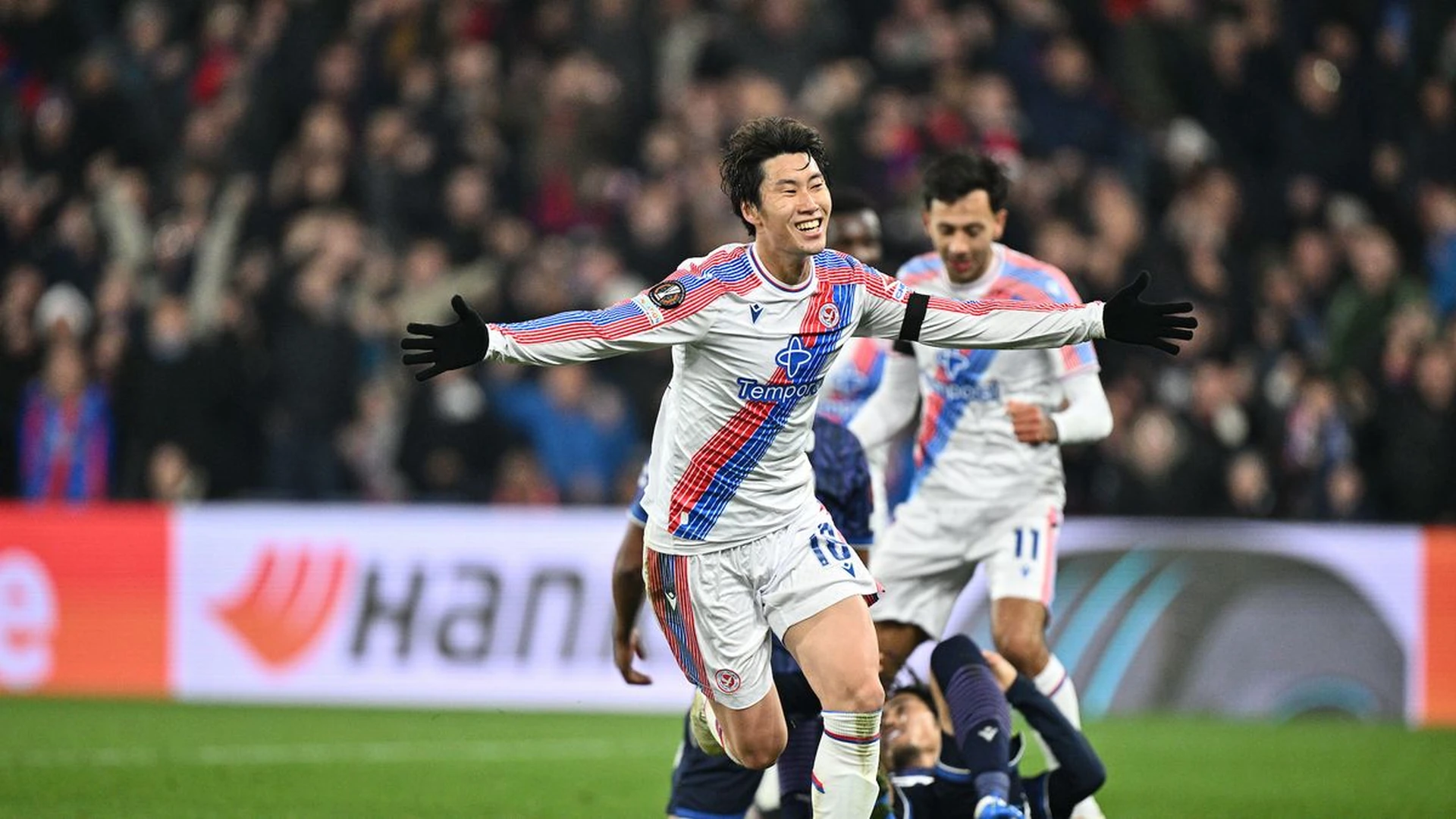
Kamada found that moment in the first minute of added time. His equaliser rewarded a side that stayed organised and refused to turn the final phase into a series of desperate long balls.
One point can matter after a difficult evening
The Europa League game took place on 5 November. Palace did not get the home win it wanted, but the late goal stopped a damaging defeat and preserved confidence.
The next improvement must come earlier. Palace need quicker combinations around a low block so that the match does not depend on one final attack after the structure has already been damaged.
Kamada’s timing offered the clearest example. He arrived after the first defensive action rather than standing beside the forwards, and that gave him the space required for the equaliser.