
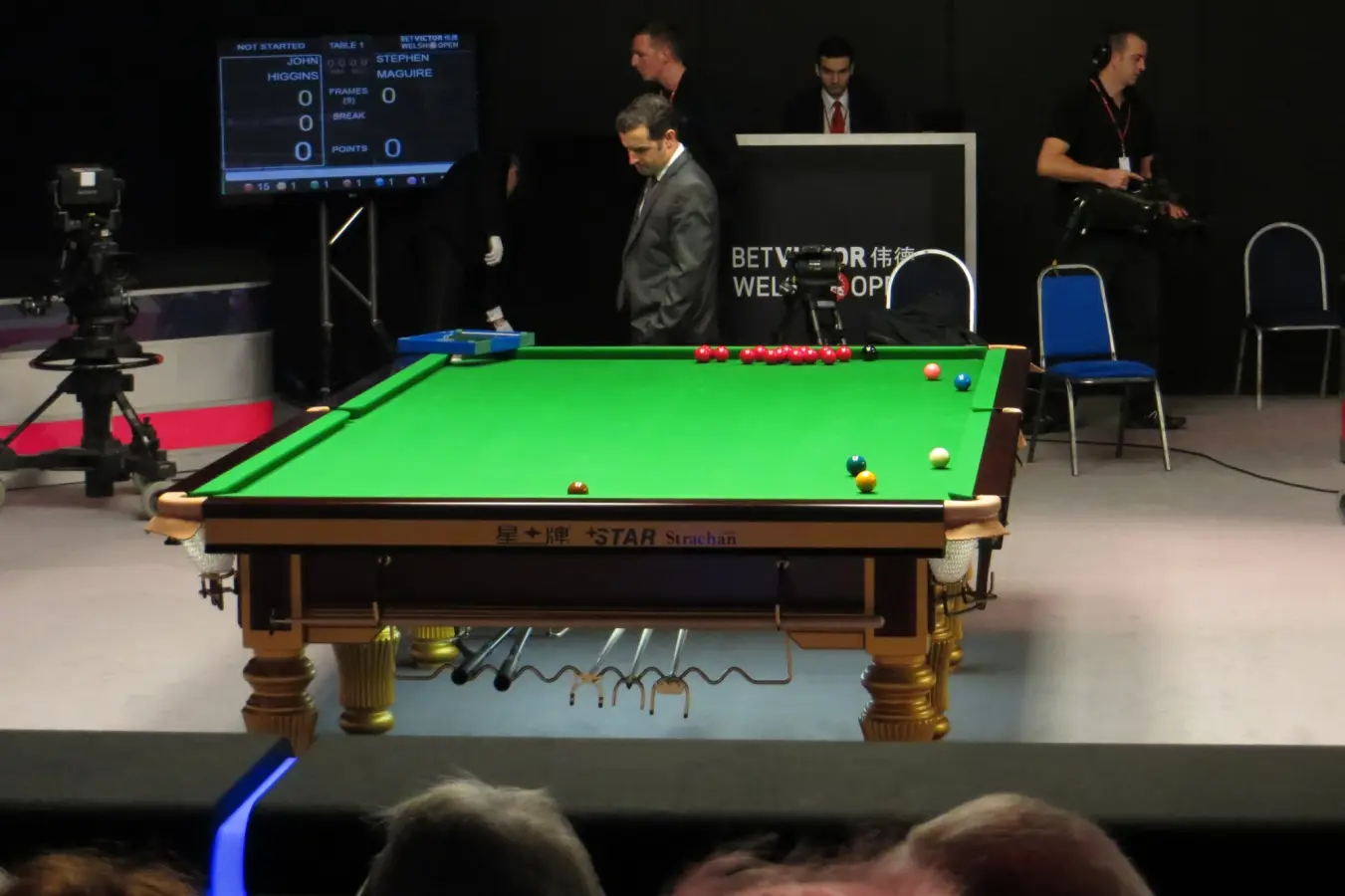
England won seven medals, including two golds, at the 2026 European Billiards and Snooker Association Championships in Sofia. Rebecca Kenna retained the European Women’s Championship and then partnered Tessa Davidson to win the women’s team title.
The overall return comprised two gold, three silver and two bronze medals. England’s strongest success came in the women’s events, while the seniors competitions produced two narrow final defeats for Wayne Brown.
Kenna retains singles title
Kenna arrived in Bulgaria as the defending champion and beat Belgium’s Anja Vandenbussche 3-1 before defeating France’s Ophelie Laval 4-1. That set up an all-English final against Davidson, who had reached the title match with a 4-0 win over Paula Judge.
Kenna won the final 4-1 to retain her European crown. Davidson collected silver, but the two players quickly moved from opponents to partners in the women’s team competition.
The English pair faced Laval and Deu Va of France in the team final. The contest went to a deciding frame, which Kenna and Davidson won to secure England’s second gold medal of the championships.
Brown twice denied in deciding frames
Wayne Brown reached the European Seniors Championship final after wins over Gary Colcombe, Gary Miller, David John and Philip Ciantar. His route included a 3-0 opening victory, followed by wins of 4-2, 4-1 and 4-0.
Belgium’s Kevin Hanssens beat Brown 5-4 in the final. The result also carried an additional consequence, with the winner earning a place in the 2027 World Seniors Championship.
Brown then joined Ian Martin in the seniors team event. England again reached the final and again lost a deciding frame, with Belgium’s Alain Vandersteen and Peter Bullen winning 3-2. Brown therefore left Sofia with two silver medals from two close title matches.
England’s medal breakdown
- Gold: Rebecca Kenna, European Women’s Championship.
- Gold: Rebecca Kenna and Tessa Davidson, women’s team event.
- Silver: Tessa Davidson, women’s singles.
- Silver: Wayne Brown, seniors singles.
- Silver: Wayne Brown and Ian Martin, seniors team event.
- Bronze: Gary Miller and Steve Crowley, seniors team event.
- Bronze: Halim Hussain, European Shoot Out.
Hussain adds Shoot Out bronze
Halim Hussain beat Jean-Marc Beauchamp and Viktor Iliev on his way to the last 16 of the European Shoot Out. He then defeated fellow England player Peter Devlin in the quarter-finals before losing to Wales’ Alfie Davies in the semi-finals.
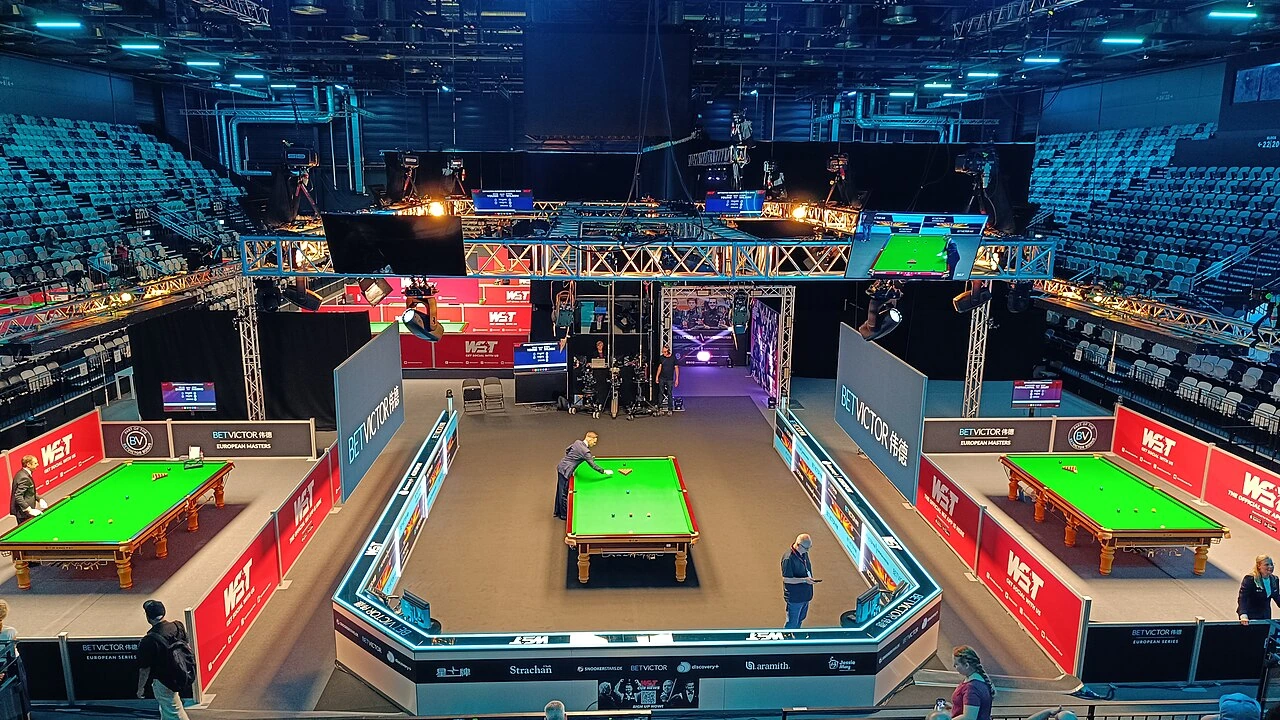
The bronze completed England’s seven-medal total. There was also English involvement in the title match through referee Ben Taylor-Fuente, who was selected to officiate the 10-minute final between Scotland’s Dean Young and Davies. Young won the title.
A balanced championship return
England’s two titles were concentrated in the women’s competitions, but the wider medal table was supported by the seniors and Shoot Out events. The margins in the seniors finals are significant: both were lost in deciding frames, showing how close the total came to extending beyond two gold medals.
Kenna’s contribution stands out because she retained an individual title and then adapted immediately to team competition with the player she had beaten in the singles final. Davidson’s gold and silver, alongside Brown’s two silvers, gave England four multi-event medals between three players.
The final tally records both confirmed success and missed opportunities. England returned from Sofia with seven medals and two European champions, while the two deciding-frame defeats provide a precise measure of how much larger the gold-medal total might have been.
Across the individual and team events, English players reached four title matches and two further semi-finals. That depth, rather than one isolated run, is the strongest feature of the championship return.