
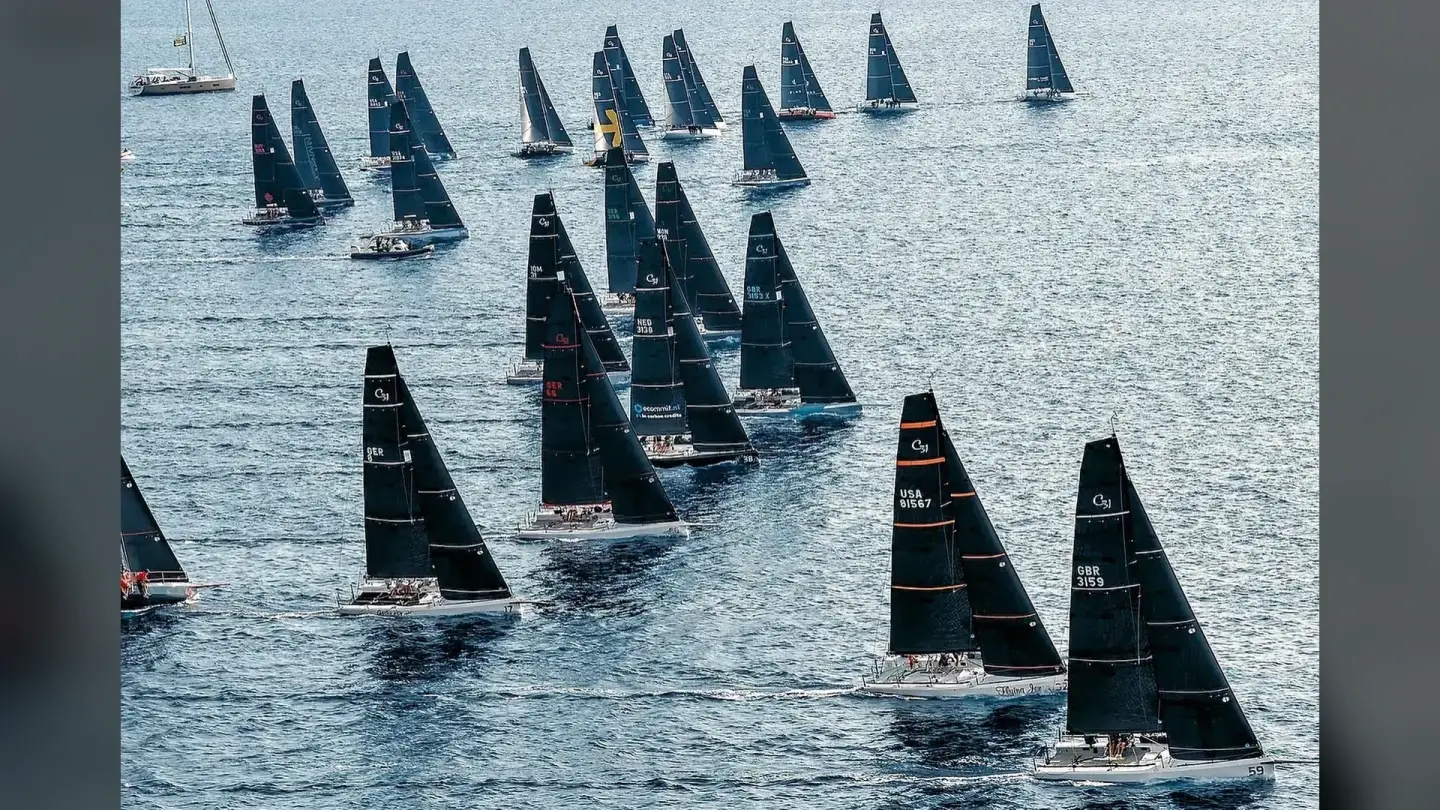
La Pericolosa led the Cape 31 Mediterranean Series finale in Hyères after day two on 25 September, having recovered from an opening-race retirement to take second and first in the remaining heavy-weather races.
The 20-boat fleet completed three races in strong easterly winds and steep seas, conditions which produced crashes, wipeouts and equipment problems across the day. La Pericolosa’s retirement in race four came after a crash at the first windward mark, but its response left the team on 14 points after six races, seven clear of second-placed Django.
The result gave the leaders a valuable buffer, but the standings behind them remained exceptionally compressed. Nine points separated Django in second from GSpot in eighth, leaving several crews with a realistic opportunity to alter the order during the concluding races.
Recovery keeps La Pericolosa ahead
La Pericolosa began day two as the overnight leader but immediately faced the cost of an early incident. The team retired from race four after a crash at the first windward mark.
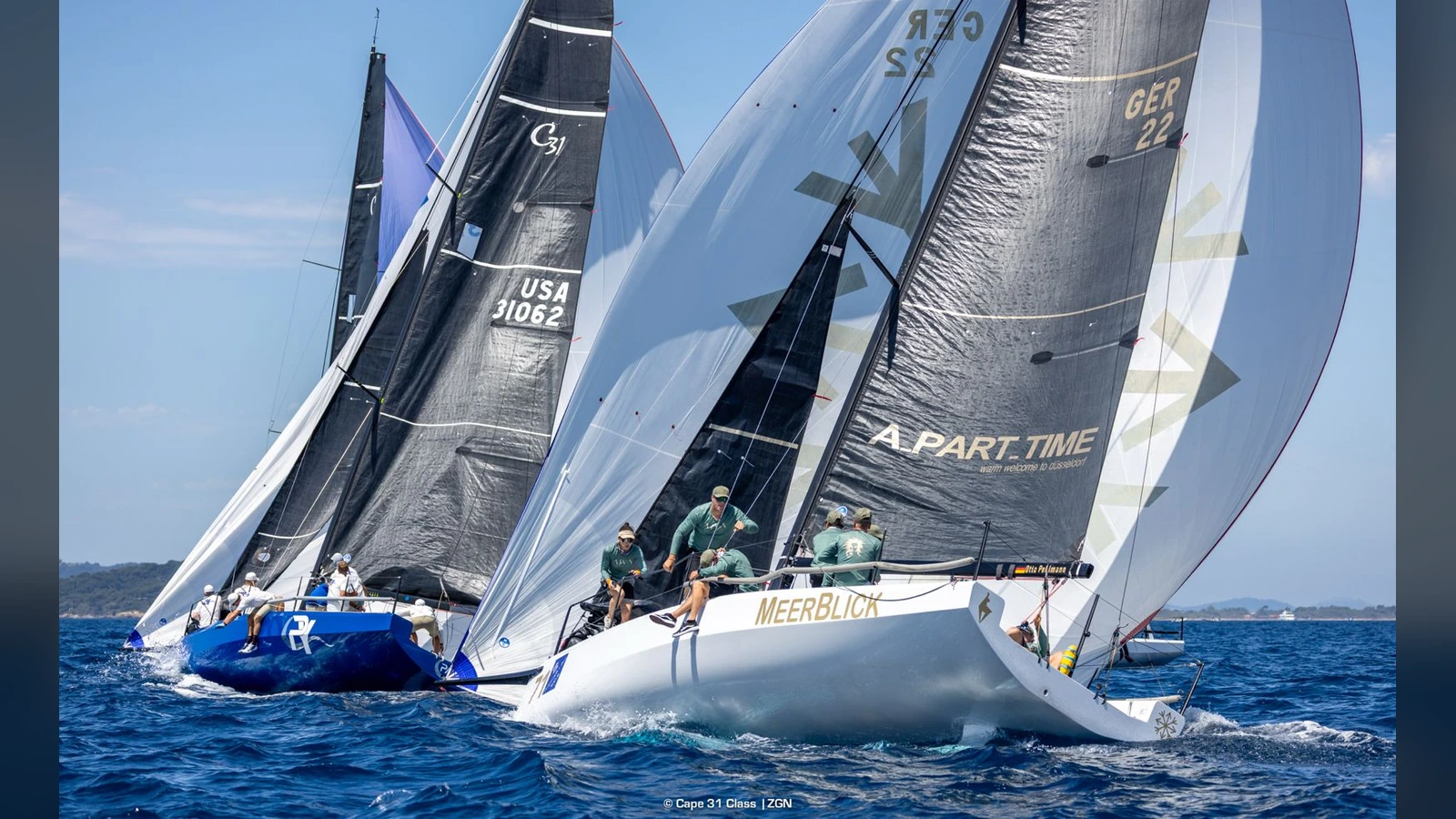
It then finished second in race five before winning race six, a turnaround that protected its overall advantage despite the lost race. Asked how La Pericolosa had remained consistent in the 20-boat fleet, Fabian Gielen pointed to the team’s speed and to keeping its approach simple.
The sequence also underlined how little margin there was in the Bay of Hyères conditions. A retirement could have changed the championship picture, particularly with three races being sailed in demanding seas, yet La Pericolosa’s next two results ensured it remained the only crew below 20 points after day two.
Gielen said the regatta remained open and identified both Stig and Django as strong rivals on the racecourse. That assessment was supported by the scores: Stig stood third on 22 points, only one behind Django, while Khumbu and Stella Maris followed on 25 and 26 points respectively.
Django rise as damage stops Give Me Five
Django produced one of the day’s strongest scorelines among the nearest challengers, registering sixth, first and second in races four to six. The 6-1-2 sequence moved Vittorio Lombardi Stronati’s crew into second overall on 21 points.
Lombardi Stronati said the breeze of around 20 knots suited Django better. He attributed the improvement through the day to fewer problems in manoeuvres and at the kite hoist, alongside stronger starts and downwind work. He also said the close standings meant the crew still had to work hard in the final stage.
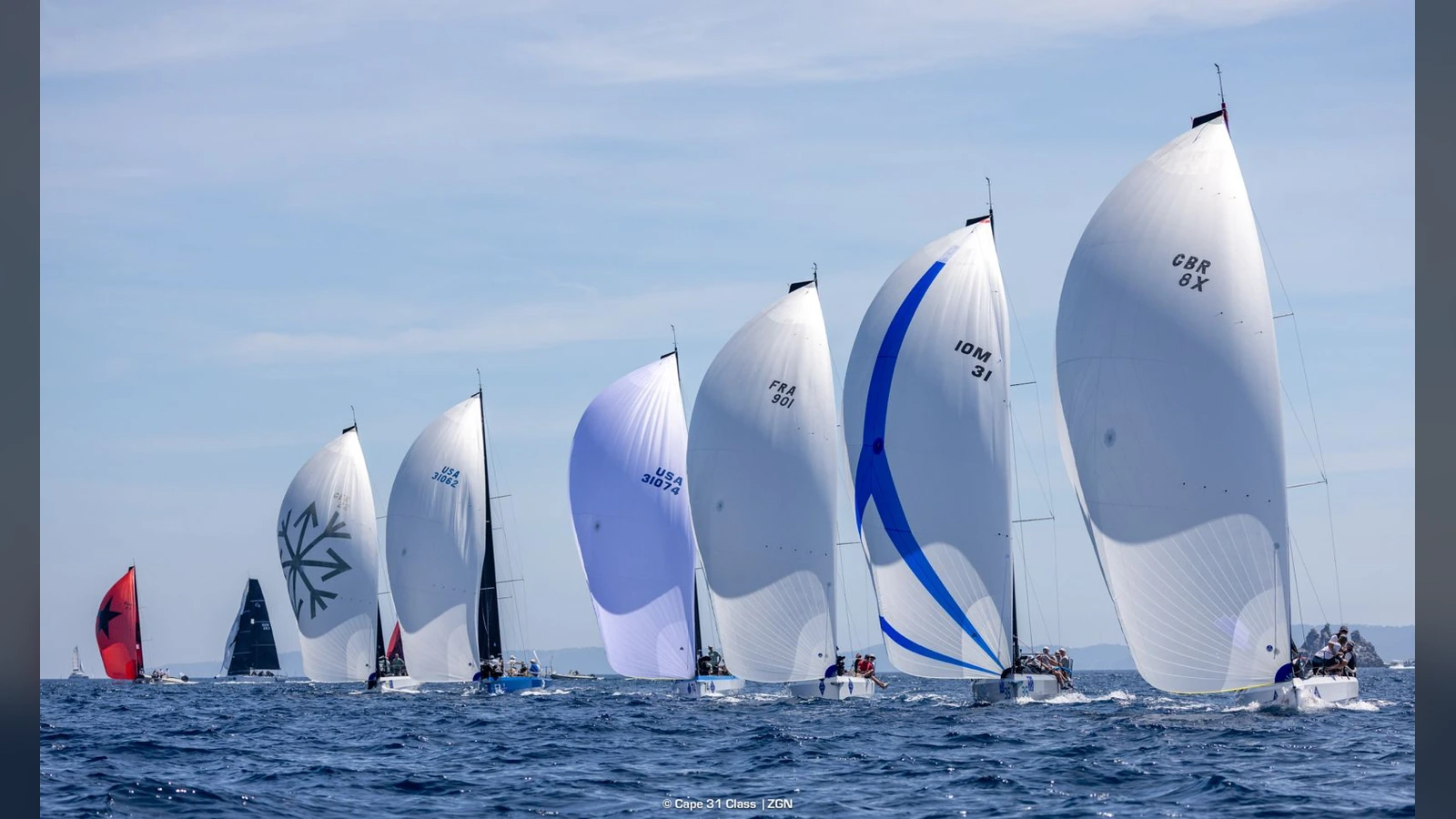
Give Me Five showed both the opportunity and risk created by the conditions. The French team won race four and followed it with third in race five, but did not start race six after discovering substantial mast damage. Owner Adrien Follin said the forestay had cut into the mast at the end of the opening race and that the team had completed the next race without understanding the seriousness of the issue.
Give Me Five was sixth overall on 28 points after its DNS, but its immediate focus shifted to repairs before next month’s Cape 31 Gold Cup in Saint-Tropez. Its experience made clear that the final outcome in Hyères was being shaped not simply by outright pace, but by the ability to complete races without costly mistakes or breakage.
The source said lighter conditions were expected on the scheduled final day, with two races hoped for before the series finale concluded. La Pericolosa therefore held the advantage after six races, while Django, Stig, Khumbu and Stella Maris remained among the crews placed to apply pressure if the leaders faltered.
The results also showed why the final races had remained significant despite La Pericolosa’s seven-point advantage. Django’s 21-point total was followed by Stig on 22, Khumbu on 25 and Stella Maris on 26, while Give Me Five had 28 after not starting race six. With the source expecting a different, lighter-weather test, the leading crews faced a final opportunity to improve their positions.