
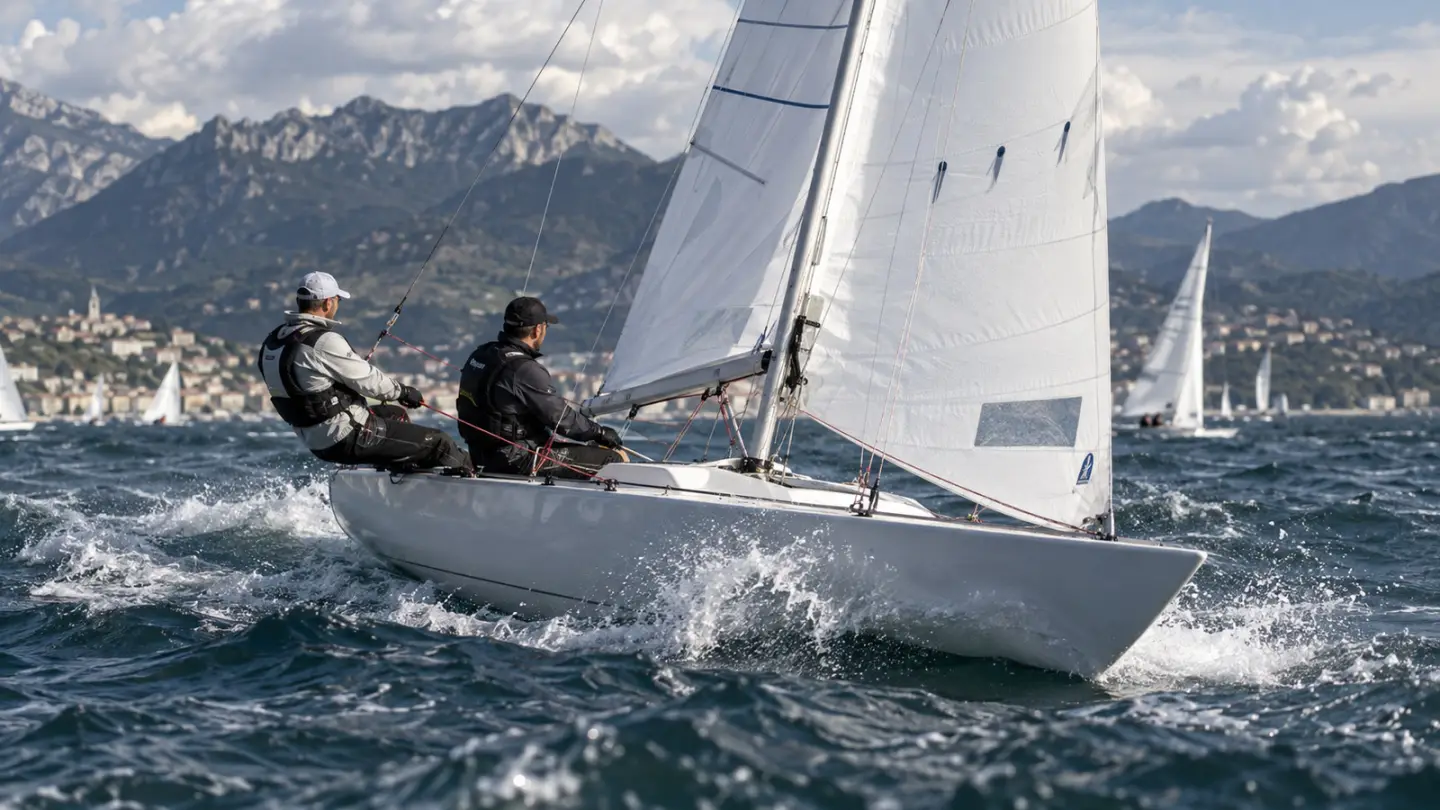
Andy Tunnicliffe and Richard Rigg have won the 2026 Flying Fifteen European Championship in Palma after a protest hearing changed the outcome of the fifth and final race. Andrew Jameson and Greg Wells had appeared to take the title when they crossed the line second, but were disqualified following the hearing, leaving the Bassenthwaite SC crew as European champions by two points.
The championship at Club de Mar in Mallorca ran from 7 to 10 October and was restricted to five races from eight scheduled. Its decisive final day delivered enough southerly breeze for one race after an extended wait, while also producing a result that could not be confirmed until the protest process had concluded ashore.
A title race decided after the finish
Tunnicliffe and Rigg began the final day with a two-point advantage over Jameson and Wells. Their position was vulnerable because the completion of a fifth race brought the first discard into play, allowing crews carrying a double-figure score to remove it from their series total.
Jameson and Wells finished second in the final race, behind Spain’s Victor Perez Campos and Mark Branagh. That result initially appeared to put the Hayling Island Sailing Club pair on top of the leaderboard.
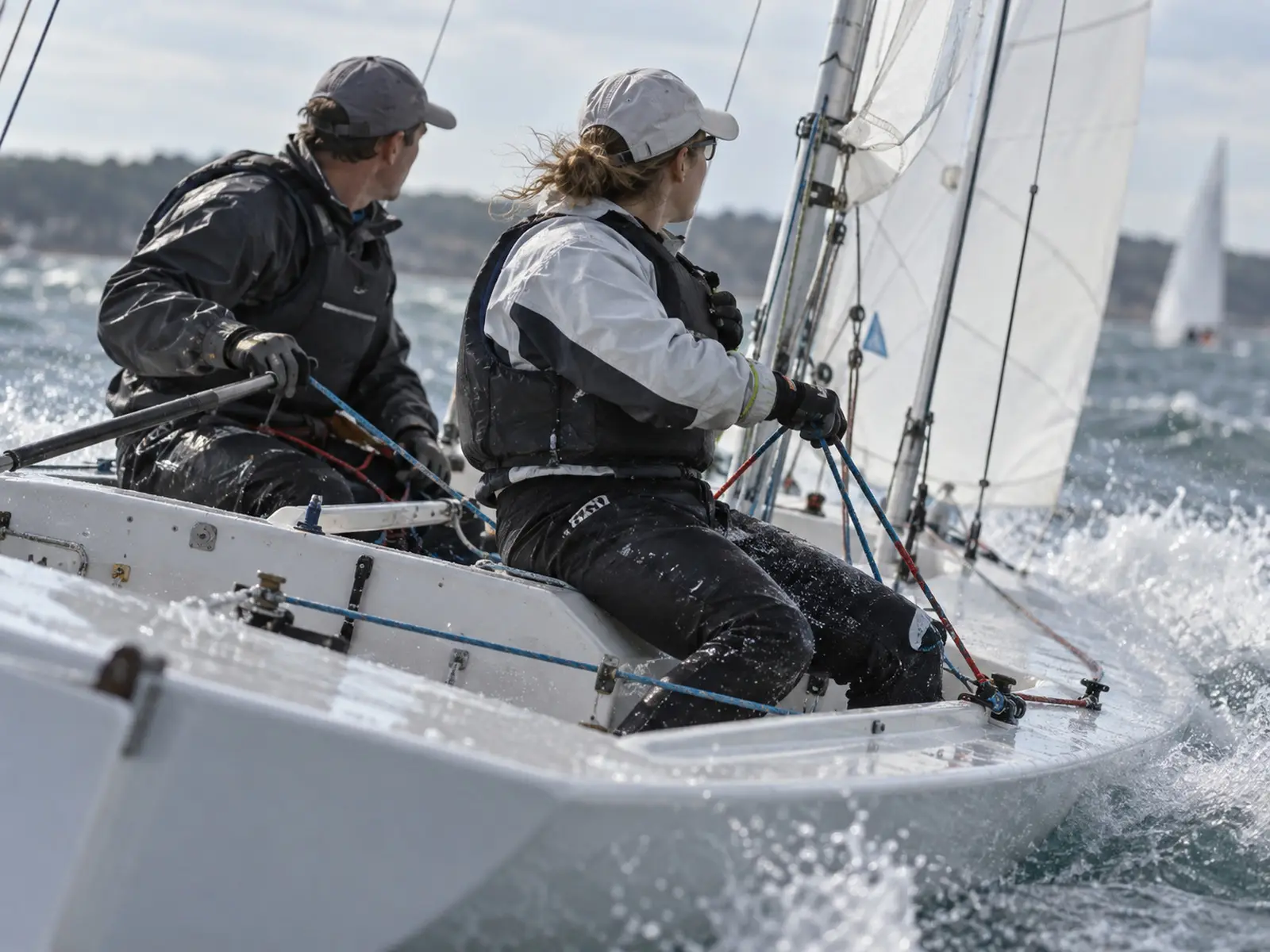
However, Jameson and Wells faced a protest from Tunnicliffe and Rigg over an incident during the race. Sailweb reported that the protest concerned a port-and-starboard situation. The hearing found against Jameson and Wells, resulting in their disqualification from the race and changing the overall order.
Tunnicliffe and Rigg had finished 15th in the final race. Crucially, that became their discard. Their published race sequence was first, third, third, second and 15th, producing nine points after the discard. Jameson and Wells retained second overall, while Perez Campos and Branagh’s final-race win lifted them to third.
The fifth race changed the scoring options
The final race mattered beyond its finishing order. Before it, only four races had been completed and no discard was available. The fifth race therefore gave every crew the opportunity to remove its weakest result, increasing the scope for late movement in the standings.
For Tunnicliffe and Rigg, the arithmetic was especially valuable. Their 15th place did not count, so the consistency of their first four scores became decisive. Jameson and Wells were also able to discard their final-race result after the disqualification, but the penalty meant they could not preserve the score that had initially put them ahead.
Light and unsettled conditions delayed the final race. The fleet left the marina before noon, but light and unsettled conditions in Palma Bay delayed the start. A southerly sea breeze eventually established, allowing one shortened two-lap windward-leeward race before the cut-off.
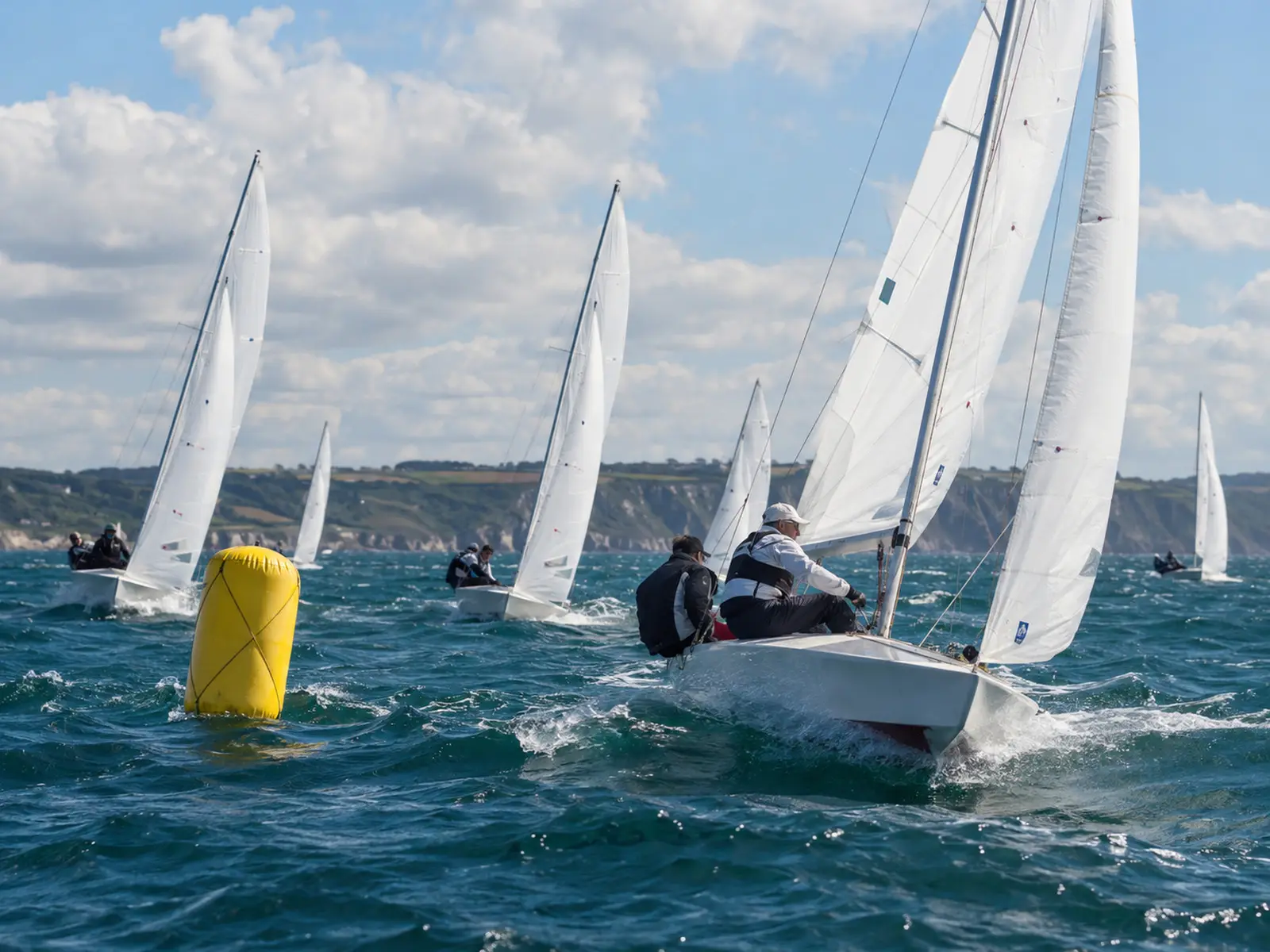
Perez Campos and Branagh opened a lead on the final upwind leg and won comfortably. Behind them, Jameson and Wells used the inside gate to move into second ahead of Ireland’s John Lavery and Billy Russell. The title was not settled until the subsequent protest hearing ashore.
What the result shows
The result gives Tunnicliffe and Rigg the European crown after leading heading into the final day and surviving a race in which they finished well down the fleet. Their discarded 15th demonstrates why completing one further race was significant: without a discard, that result would have been added to their earlier scores rather than removed.
It also underlines the narrow margin in the contest. Tunnicliffe and Rigg were two points ahead of Jameson and Wells after the final classification, having started Saturday with the same two-point advantage. The route to that final margin, however, was far from straightforward, because the second-placed crew had temporarily crossed the line in a position that appeared to put them in charge of the championship.
Only five races were sailed in the light-wind regatta, but the final day provided both the championship’s first discard and the protest decision that settled the European title. Tunnicliffe and Rigg’s early sequence ultimately proved strong enough to withstand the late complication.