
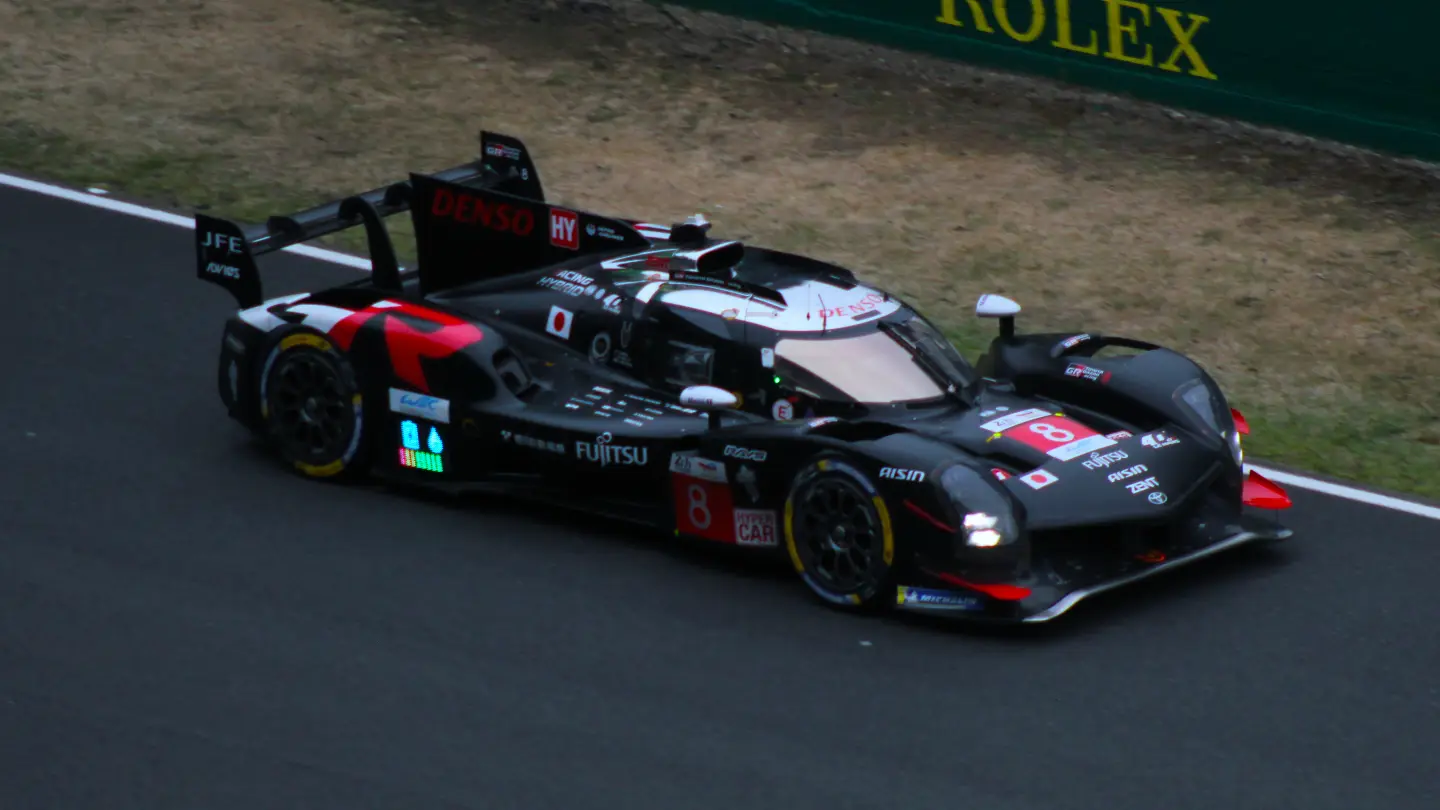
Toyota won the 6 Hours of Fuji on 27 September after a fuel-only call during the final safety-car period lifted its #8 crew of Ryō Hirakawa, Sébastien Buemi and Brendon Hartley from sixth to the lead. Hirakawa then resisted Alpine driver Victor Martins in light rain to win by 0.591 seconds and put the trio at the top of the FIA World Endurance Championship drivers’ standings with two rounds remaining.
The result delivered Toyota’s first victory at Fuji since 2023 and its 10th home success. Alpine’s #36 finished second, while BMW’s #15 completed the Hypercar podium after making a different late tyre gamble.
Safety-car decision transforms the race
Alpine had controlled much of the six-hour contest, with its two cars running at the front for long periods. Toyota’s #8, by contrast, had been sixth before the decisive interruption and had already encountered trouble when Hartley was spun around on the approach to Turn One.
The final safety car followed a substantial accident for Finn Gehrsitz in the #58 Garage 59 McLaren. Gehrsitz emerged unhurt, according to FIA WEC. Dailysportscar reported that Toyota expected barrier repairs to prolong the neutralisation.
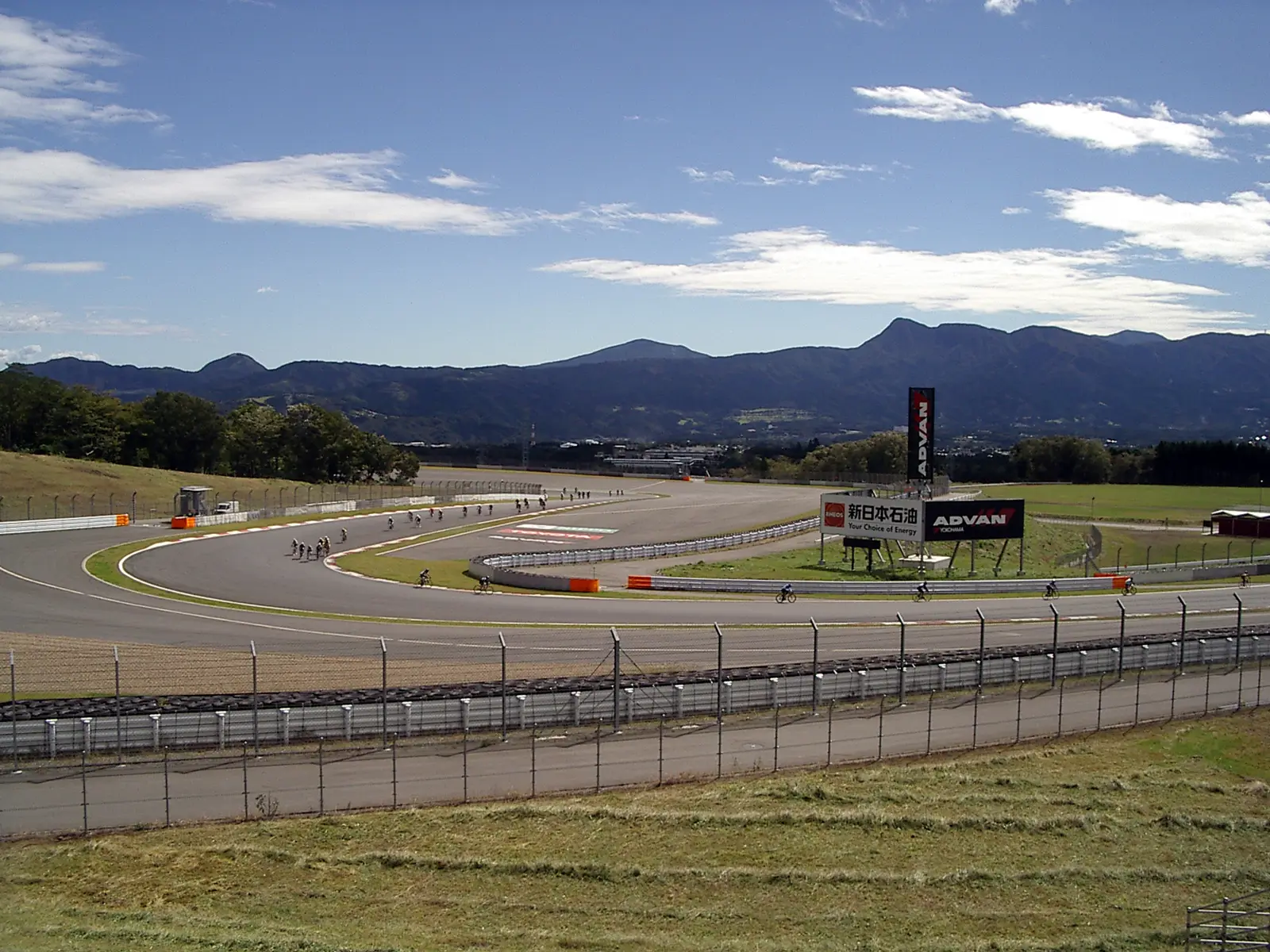
At the stops, Toyota chose not to change tyres and gave Hirakawa only enough fuel for the remaining distance. Specialist outlet Dailysportscar reported that the team’s calculation depended on the safety-car period lasting sufficiently long to bring the #8 into its fuel window before racing resumed.
Alpine changed tyres on both cars, while Toyota and BMW retained used rubber. The contrasting calls moved Toyota to the front, with Vanthoor second and the Alpine cars behind them for the restart.
The Toyota call therefore carried clear risk as well as the potential reward of track position. Dailysportscar reported that the #8 did not initially have sufficient fuel to finish if racing had resumed immediately, with Toyota judging that repairs following the Turn One crash would extend the neutralisation. That assessment proved correct, leaving Hirakawa at the front for the final run despite Alpine’s fresher tyres and Martins’ subsequent charge.
Alpine sporting director Nicolas Lapierre said his team’s choice to service both cars together had been the crucial compromise. He accepted responsibility for deciding not to sacrifice one car’s result to give the other a clearer route to victory. Alpine ultimately finished second and fourth, a result Lapierre said brought the manufacturer its biggest single-race points total of 30.
Hirakawa holds off Martins after restart
With around 20 minutes left after the restart, Martins made progress through the field and passed Vanthoor for second. He then closed on Hirakawa, but the Toyota driver held position to take the flag just over half a second ahead.
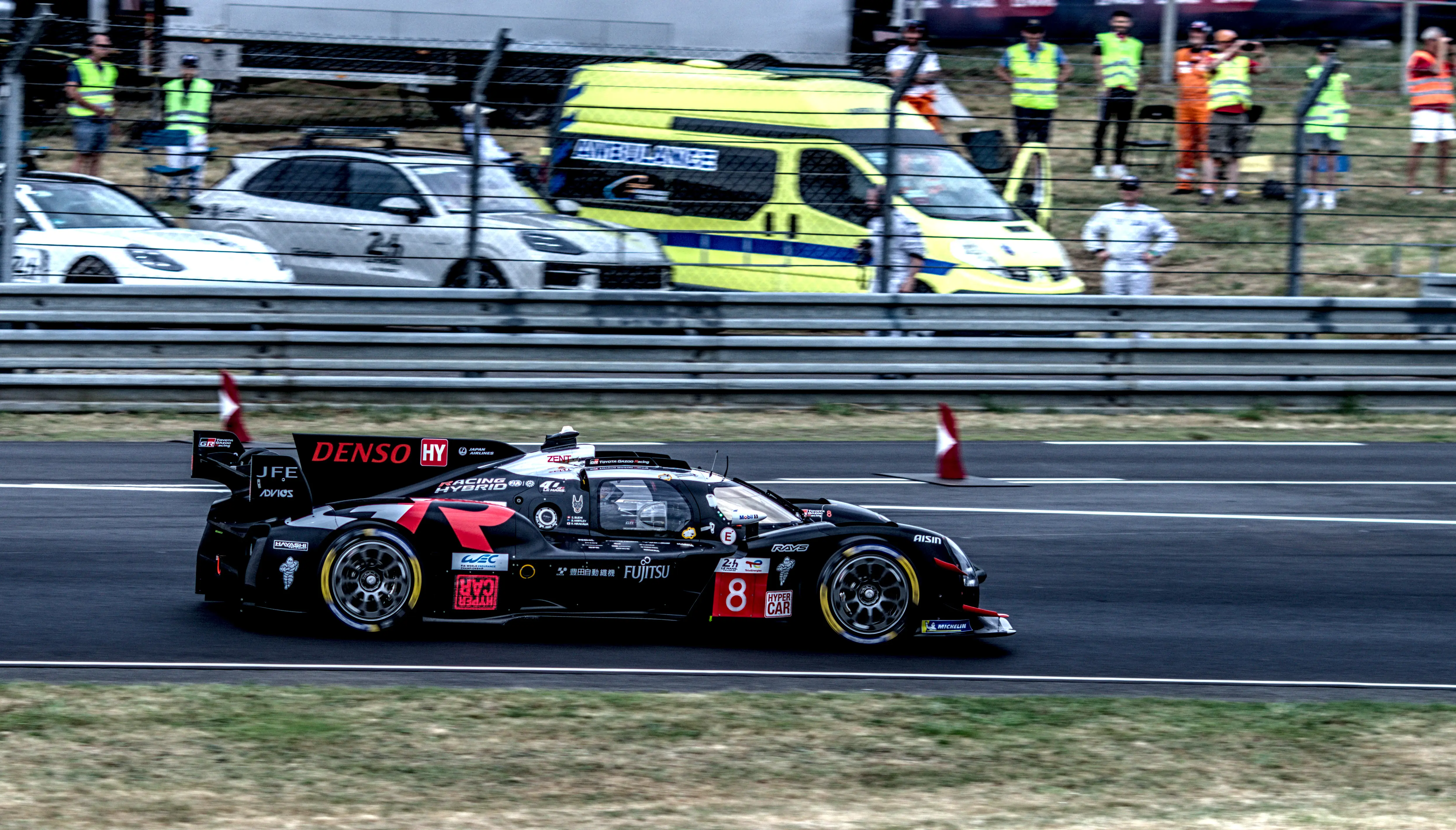
Hirakawa said the restart had been difficult because the tyres were cold and the track was slightly damp. He indicated that traffic helped provide a reference point and that the BMW behind him also affected Alpine’s opportunity to attack. He credited Toyota’s pit-wall guidance during the pressure-filled closing laps.
Martins said Toyota had judged the gamble well, while adding that he believed another lap or two might have changed the outcome of their on-track fight. His second place nevertheless delivered his first FIA WEC podium, according to Sportscar365.
For Toyota, the victory was its second of the 2026 campaign. The FIA WEC said Hirakawa, Buemi and Hartley were the first crew to win more than once this season, and the Fuji points elevated them to first in the Drivers’ World Championship.
The swing illustrates how rapidly endurance-racing races can be reshaped by a late neutralisation, but Toyota’s title position is not yet decisive. Two rounds remain, and the winning crew’s advantage was created by a strategy call that depended on the duration of the safety-car intervention as well as Hirakawa’s defence in changing conditions.