
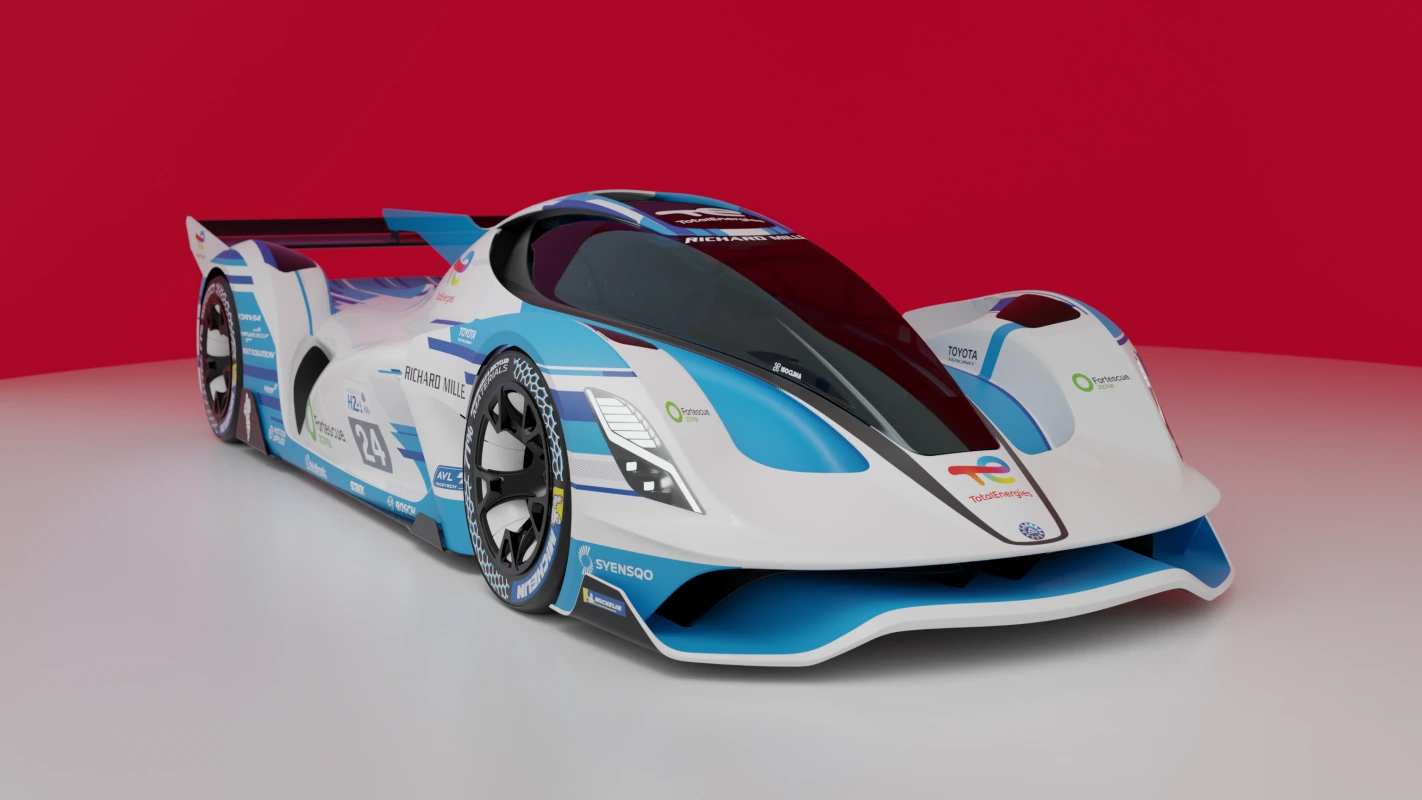
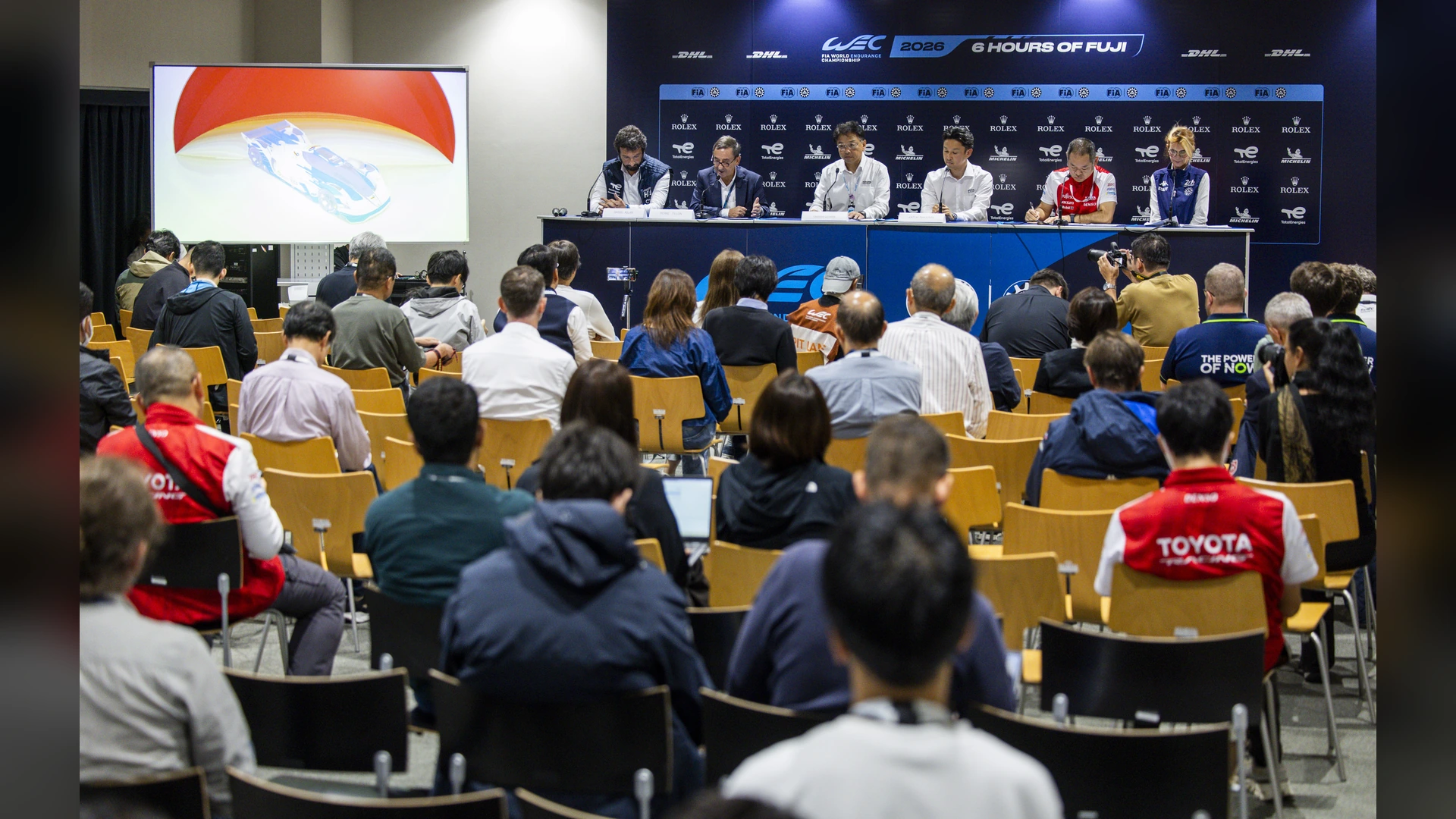
Toyota Racing will supply a 3.5-litre V6 hydrogen-combustion engine for MissionH24’s forthcoming H24EVO prototype under an agreement jointly announced by the Automobile Club de l’Ouest, MissionH24 and Toyota Racing during the Fuji round of the 2026 FIA World Endurance Championship.
The engine is intended to form part of a liquid-hydrogen, hybrid prototype which MissionH24 says is approaching its first tests. When combined with the car’s hybrid system, the unit is expected to produce up to 650kW, moving the project towards the performance level of a European Le Mans Series prototype.
The announcement is a material technical step for MissionH24, with the H24EVO described as a prototype that will soon undergo its first tests. The disclosed work includes the mechanical connection of the engine to the chassis and gearbox, alongside the car’s communications, electrical, control and software requirements.
A combustion route for the H24EVO
MissionH24 said its next prototype will combine tanks storing liquid hydrogen, a combustion engine and hybrid assistance. Toyota Racing’s motorsport-specific V6 is therefore central to a change in technical direction from the programme’s earlier cars, which used gaseous hydrogen and fuel cells.
The ACO and H24Project launched MissionH24 in 2018 to promote hydrogen in racing. Its LMPH2G and H24 projects were presented as concepts pursuing racing with zero CO2 emissions through gaseous-hydrogen fuel-cell technology. The H24EVO retains the programme’s hydrogen focus but explores a different means of using it on board.
The parties said the new engine would enhance H24EVO performance with zero CO2 emissions. The announcement presents the arrangement as a development step for the H24EVO.
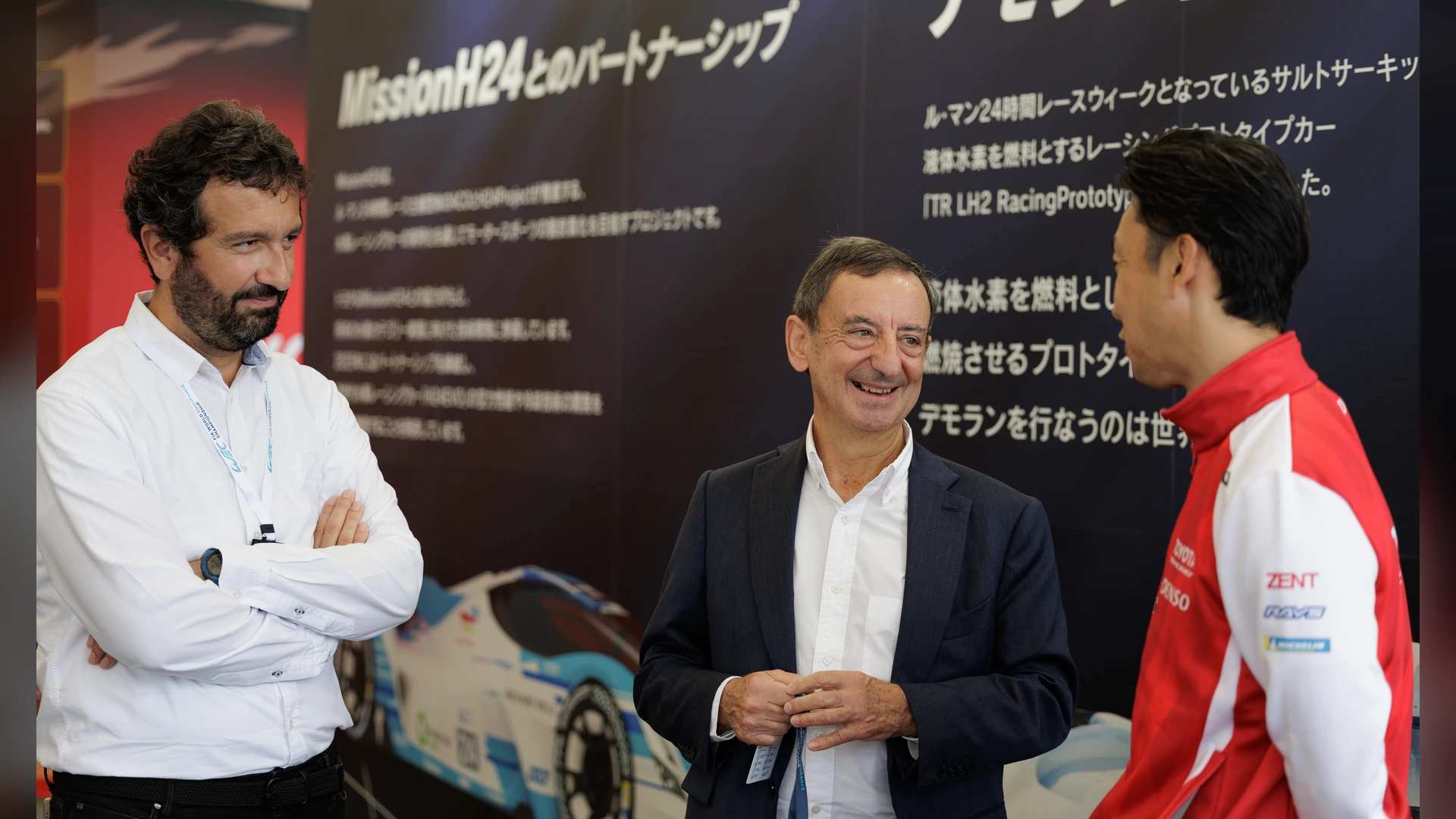
ACO president Pierre Fillon said the programme had considered gaseous and liquid hydrogen, fuel cells and engines as possible ways of storing and using hydrogen. That background makes the H24EVO more than a simple engine installation: it is the next MissionH24 prototype to assess a liquid-hydrogen combustion configuration alongside hybrid assistance.
The projected 650kW maximum is significant within MissionH24’s own stated progression. The joint announcement said the figure would bring the H24EVO closer to European Le Mans Series prototype performance, whereas its predecessors had targeted LMGT3-level performance. That comparison signals MissionH24’s stated aim of a marked performance step from the LMGT3-level target of its predecessors.
Integration work has already begun
MissionH24 technical director Bassel Aslan said the support was already taking practical form through joint engineering work. Engineers are working on how the V6 will connect mechanically with the chassis and transmission, as well as the car’s electronic, control and software systems.
The work also requires the teams to define the communications architecture and electrical interfaces. The integration work is intended to bring the engine and vehicle systems together for the prototype’s test programme.
Aslan said the engine’s efficiency was important to the project because it could help optimise the use of liquid hydrogen carried on board and, in turn, the car’s range.
Toyota expands its hydrogen development role
Toyota Racing had previously worked with MissionH24 on cooling and aerodynamics, according to the announcement. The engine agreement extends that relationship to the H24EVO powertrain as the prototype prepares for its first tests.
Toyota Racing vice-chairman Kazuki Nakajima said the supply arrangement was an important milestone in its continuing work on combustion-engine possibilities, including hydrogen technology. He also pointed to the demonstration of Toyota’s TR LH2 Racing Prototype at Le Mans in June as part of the wider development of hydrogen technology options.
For the ACO and MissionH24, the deal provides a tangible next phase in a programme examining both fuel-cell and combustion approaches. The announcement presents 650kW as an expected output and says the H24EVO will soon begin its first tests. Its competitive significance, for now, lies in the stated attempt to raise the prototype’s performance target while continuing the development of hydrogen-based endurance-racing technology.