
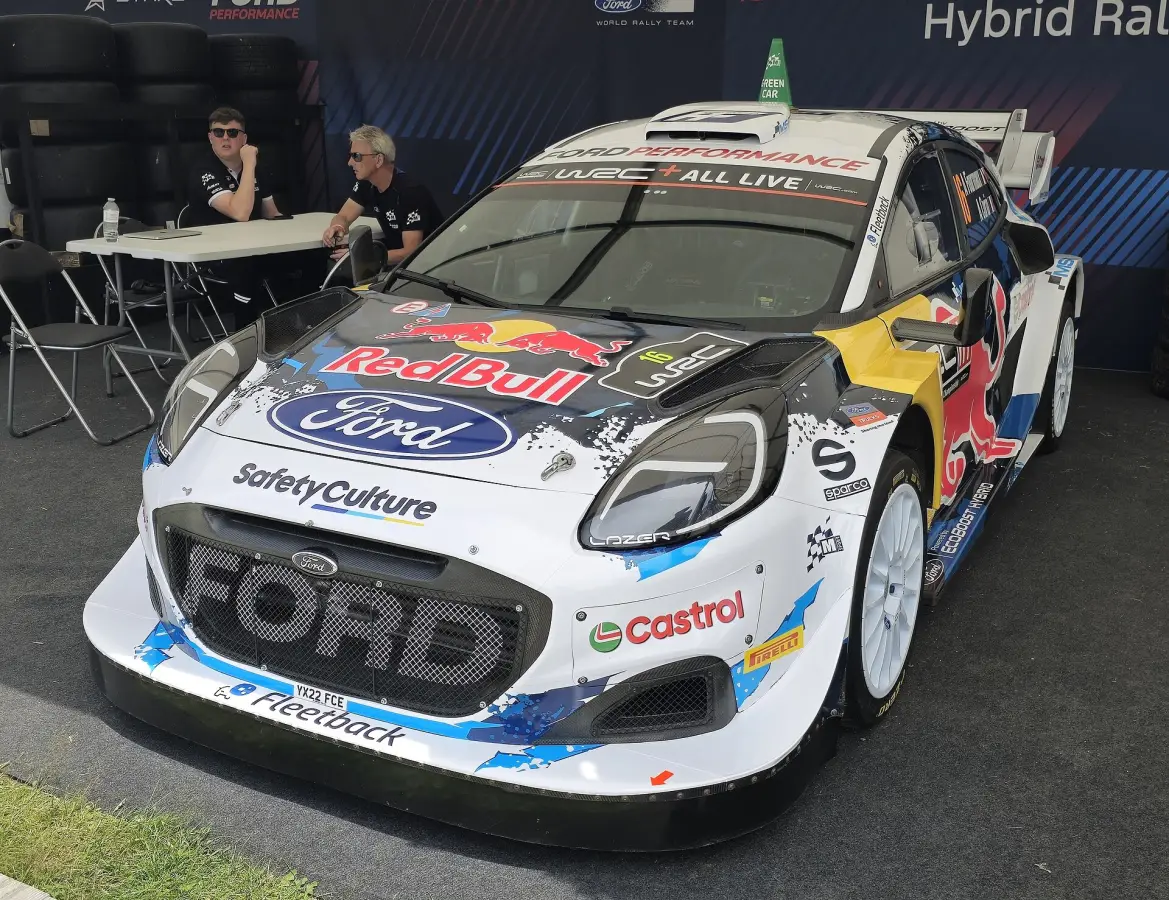
Ford has confirmed it will return to the World Rally Championship as a full factory team from 2028, expanding its long-running partnership with Cumbria-based M-Sport ahead of the championship’s next technical era.
Ford Racing will become directly involved in M-Sport’s WRC campaign in 2028. The programme will then move into a new phase in 2029, when Ford and M-Sport intend to introduce an all-new rally car inspired by one of Ford’s forthcoming European passenger vehicles.
The announcement ends a 15-season period without Ford operating in the championship in a full factory capacity. It also gives M-Sport, which has represented the marque in the WRC since 1997, a confirmed works role at a time when new regulations are due to take effect from 2027.
M-Sport at the centre of Ford’s renewed commitment
M-Sport has run Ford’s rally programmes for nearly three decades, campaigning the Focus, Fiesta and, most recently, Puma in the world championship. The partnership has campaigned the Focus, Fiesta and Puma, and Motorsport Magazine notes Ford and M-Sport have won drivers’ and manufacturers’ world titles.
Malcolm Wilson, M-Sport’s managing director, described Ford as central to both his own rallying career and his business. He said the announcement was important for M-Sport and for rallying more broadly, adding that he was proud Ford had again chosen the British-based operation as its partner.
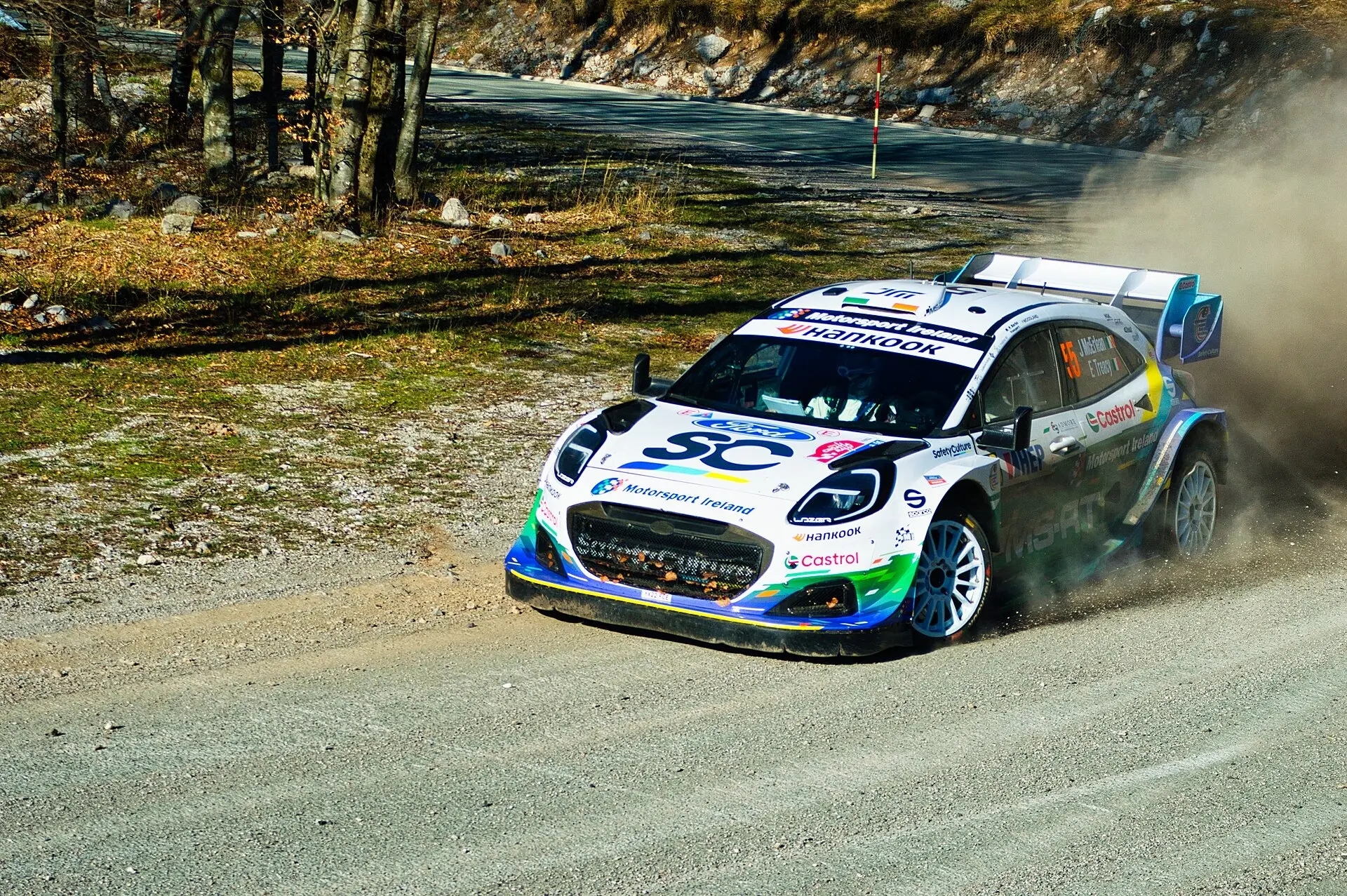
That continuity is significant. Ford’s renewed factory involvement will expand the role of M-Sport, the team responsible for its championship entries. Motorsport Magazine reported that M-Sport is expected to continue rallying the Fiesta in 2028 while work continues on the new car for 2029.
The distinction between those two dates matters. Ford Racing’s direct involvement is confirmed for 2028, but the new-generation rally car is not due to race until the following season. The announcement confirms direct Ford Racing involvement from 2028 and a new-car debut planned for 2029.
New rules and road-car relevance shape 2029 plan
The WRC is preparing for revised technical regulations from 2027. Ford’s decision to create a fresh car for 2029 places its full factory programme within that incoming rules framework, rather than simply extending the current Puma era.
According to Motorsport Magazine, the recently formalised regulations offer greater freedom over the car and body shape used for homologation, with the basis no longer required to be a standard production shell. Ford has said its 2029 challenger will take inspiration from one of Ford’s upcoming European passenger vehicles.
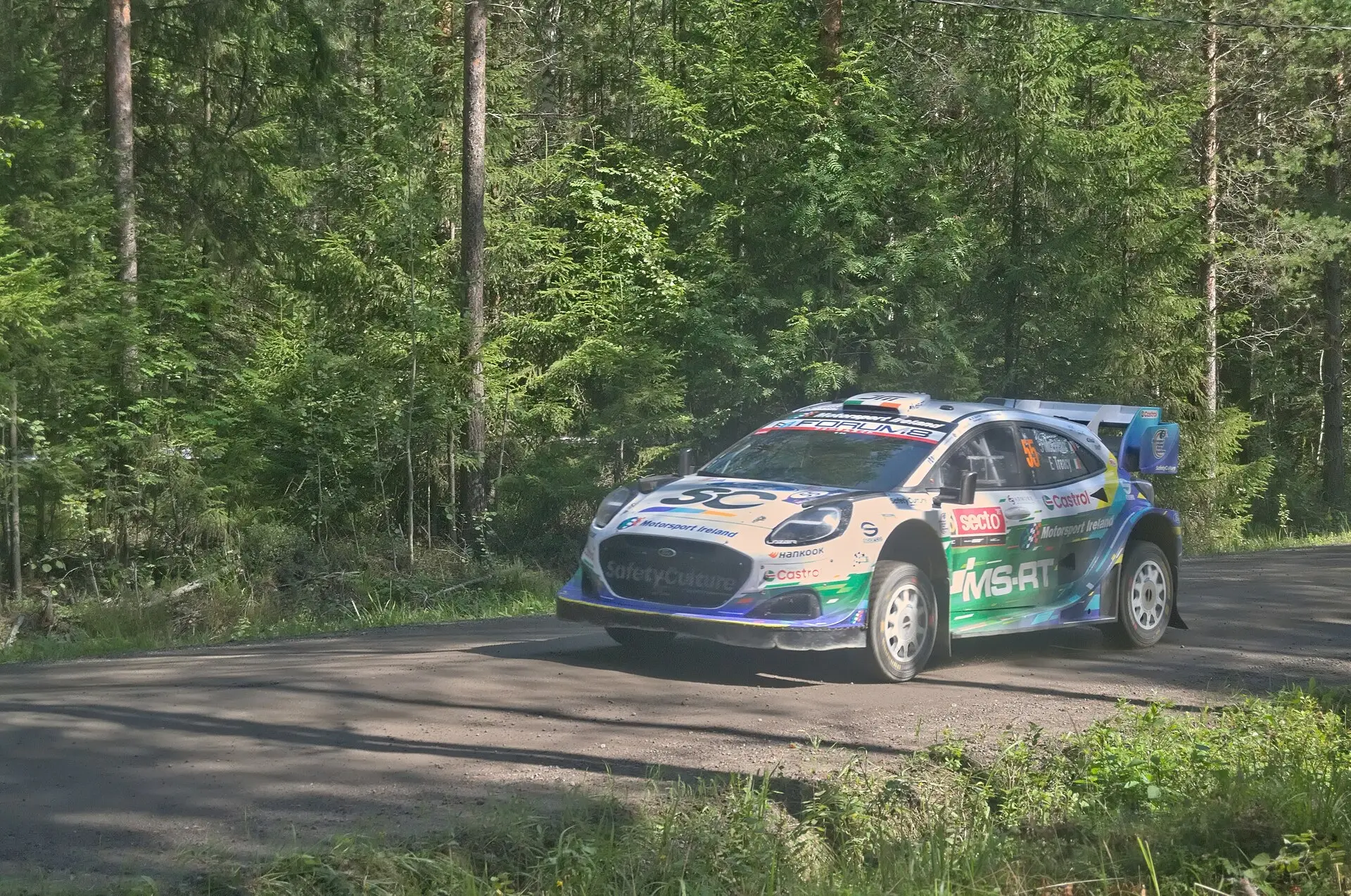
Ford also said the WRC programme would contribute to development of its next generation of European road cars, with lessons from rallying intended to feed into a portfolio of electric and hybrid models. That gives the project a stated product-development purpose alongside its sporting ambitions.
Eric Boullier, chief executive of WRC Promoter, welcomed the commitment as a positive development for the championship. He said Ford’s return underlined rallying’s relevance to a major automotive brand and pointed to the link between competition and future road-car development.
Ford framed the expanded rally operation as part of a wider global motorsport strategy that also includes Formula 1, the FIA World Rally-Raid Championship and a planned return to the leading category of the FIA World Endurance Championship. Ford listed those programmes alongside the expanded WRC operation as part of its wider motorsport strategy.
For the WRC, the confirmation supplies a long-term manufacturer commitment as the series approaches regulatory change. For M-Sport, it secures an enlarged role with Ford from 2028 and a defined target of delivering a new car one year later.