
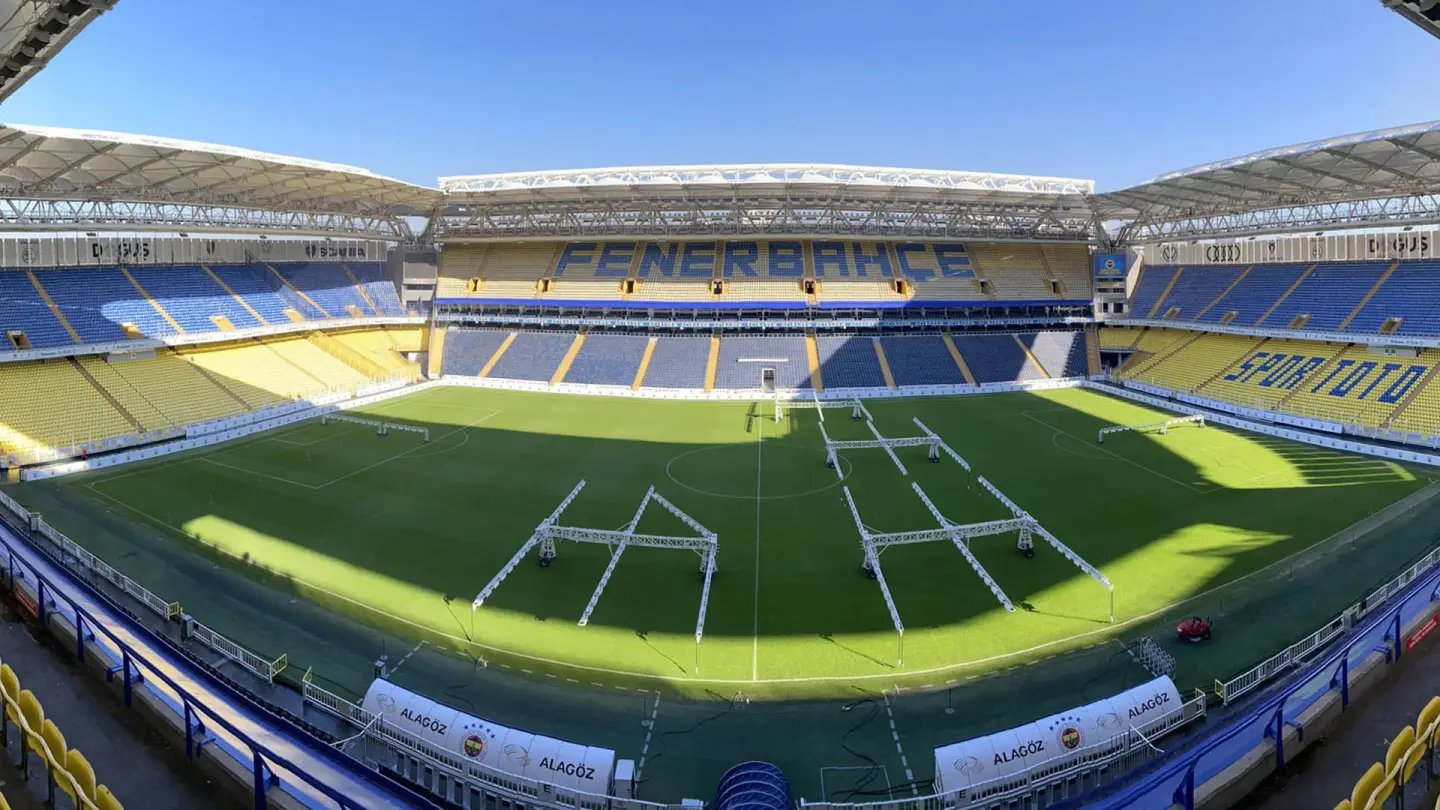
Istanbul has repeatedly tested Liverpool
Liverpool have won only one of eight UEFA away matches against Turkish clubs and lost the last three by a 1-0 scoreline. Fenerbahce are still seeking their first league-phase win after surrendering a 2-0 lead in a 2-2 draw with Slavia Prague.
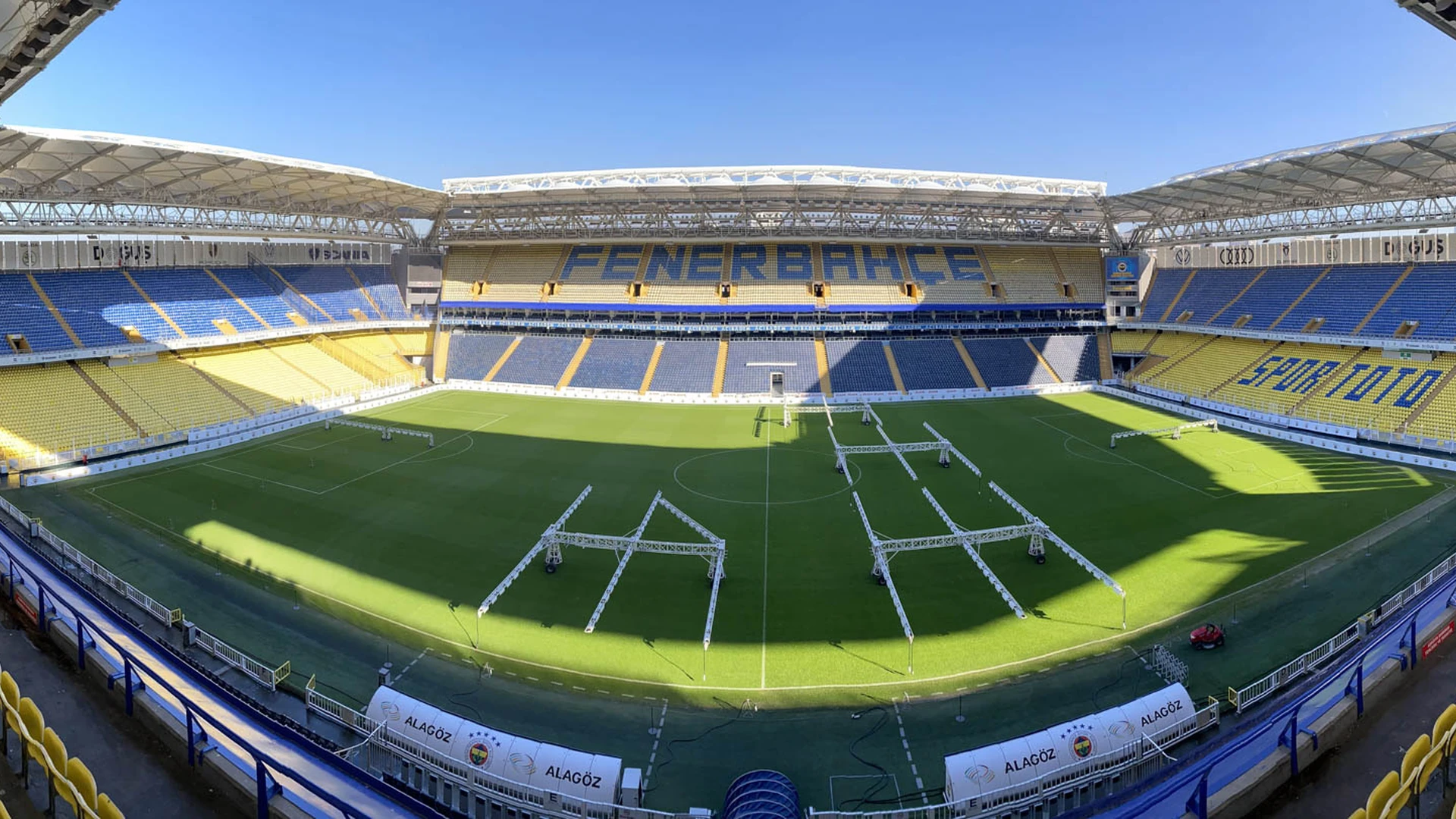
Dirk Kuyt, a former Liverpool forward, was appointed Fenerbahce’s interim coach on 28 October. His knowledge of the club adds interest, but the home side’s practical route is clear: defend compactly, use Romelu Lukaku as an outlet and attack the second ball before Liverpool can recover their shape.
Familiar faces do not remove the selection problems
The game is scheduled for 4 November at 18:45 CET. Lukaku spent four seasons with Everton from 2013 to 2017, not seven, and understands the physical demands of matches against Liverpool. Ederson also faced the Reds in Manchester City’s 2018 Champions League quarter-final defeat.
Liverpool travel without Ryan Gravenberch, Jeremie Frimpong, Conor Bradley, Hugo Ekitike and Giovanni Leoni. Fenerbahce are missing Nathan Ake and Marco Asensio. Those absences reduce the options for both coaches to change the contest from the bench.
Width can help Liverpool avoid a crowded centre
Fenerbahce are likely to protect the area in front of their centre-backs, so repeated passes through the middle would slow Liverpool down. Quick switches can create one-against-one situations and force the home midfield to cover a much greater distance.
Liverpool must also remain patient after losing the ball. A reckless first press would allow Fenerbahce to play beyond it and attack an exposed defence. A measured counter-press, supported by the holding midfielder, offers a better route to the territorial control the visitors need.
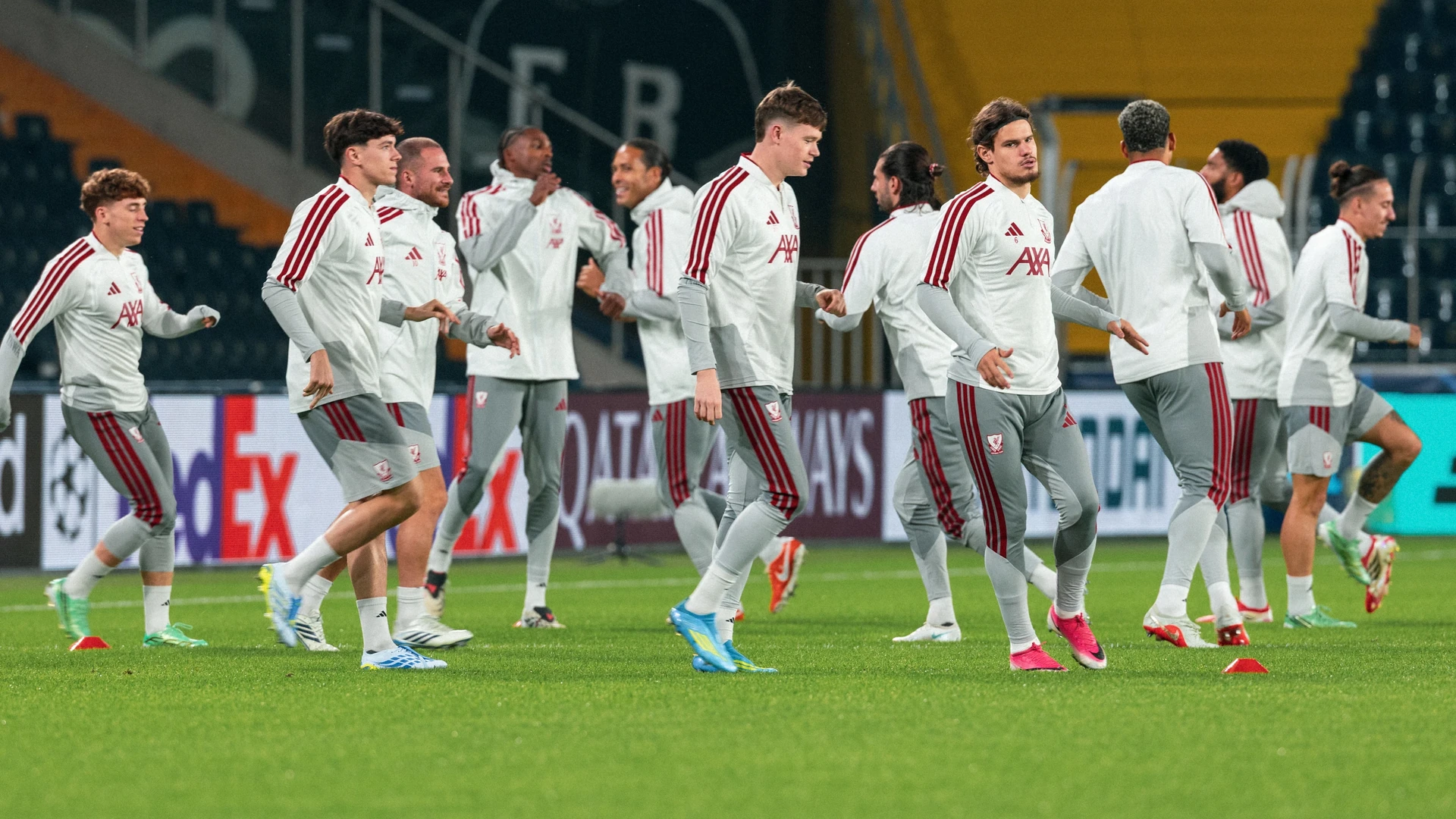
An early goal would change both teams’ plans
An early Liverpool goal would force the hosts away from the compact plan that suits Lukaku on the counterattack. If Fenerbahce score first, Kuyt can leave more players behind the ball and make every Liverpool possession longer and more predictable.
The table favours Liverpool, but the setting does not allow complacency. Their clearest advantage will come from moving the ball quickly enough to shift Fenerbahce’s block without leaving the centre unprotected when possession changes.