
Arsenal drew 1-1 with Borussia Dortmund in the Champions League after failing to turn an assured opening into a complete performance. Viktor Gyökeres scored in the 10th minute from Noni Madueke’s delivery, giving the home side an early platform. Dortmund responded after the interval through Maximilian Beier and defended the point under late pressure.
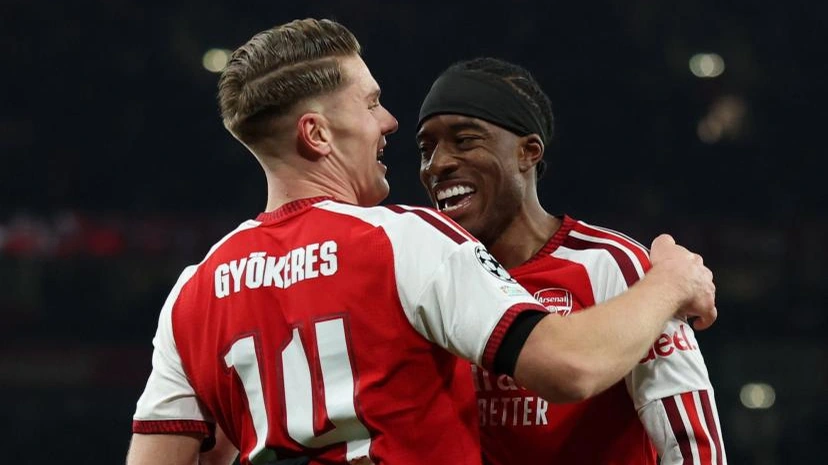
The result was shaped by two different halves. Arsenal initially moved the ball quickly enough to isolate Dortmund’s defenders and reached dangerous positions before the visitors could settle. After the break, the German side played with greater conviction, carried more runners beyond the ball and forced Arsenal to defend closer to their own goal.
Beier answered after the interval
Dortmund equalised in the 55th minute when Beier converted Yan Couto’s pass. The move exposed a gap that had not been available in the first half. Arsenal’s midfield pressure arrived late, the defensive line could not step out together and Beier received enough room to finish the attack rather than simply recycle possession.
Arsenal tried to restore their lead without abandoning their structure. Declan Rice came closest when he struck the post late in the match. The chance reflected the home side’s greater urgency, but Dortmund protected the centre well and made it difficult for the final pass to reach a forward facing goal.
Dortmund’s adjustment changed the balance
The visitors improved because they stopped treating every recovery as an invitation to play slowly. Their first pass after winning the ball became more direct, which forced Arsenal’s full-backs to turn and run. Even when the counter-attack did not produce a shot, it pushed the home side backwards and created a more favourable position for Dortmund’s next phase.
For Arsenal, the main frustration is that an early lead did not produce enough control. The team could have used longer spells of possession to make Dortmund chase, particularly after the equaliser. Instead, several attacks ended before enough players were set behind the ball, leaving the match open and increasing the physical demand on the midfield.
A point keeps both clubs in the league-phase race, although Arsenal will view it as a missed opportunity to win at home. Dortmund earned the draw through a clear second-half improvement rather than a single isolated moment. The next European fixtures will test whether Arsenal can manage a narrow advantage more patiently and whether Dortmund can reproduce this intensity from the first whistle.