
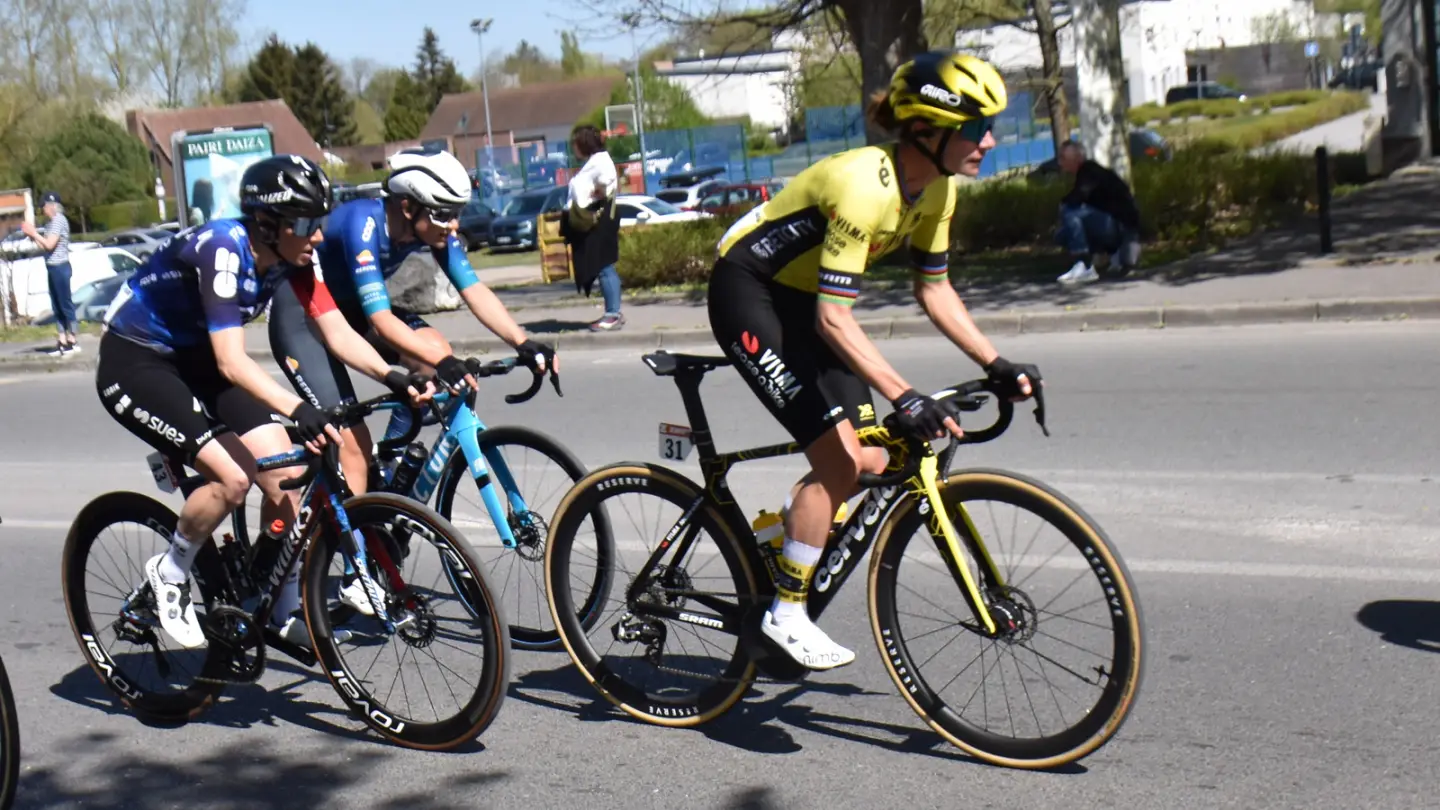
Marianne Vos has won the elite women’s UCI Gravel World Championships in Nannup, Western Australia, taking her second title in the discipline after a late attack separated her from Germany’s Rosa Klöser. Vos completed the 125.6km race in 4hr 30min 04sec, with Klöser second by 27 seconds and the Netherlands’ Larissa Hartog third at 2min 15sec.
The result makes Vos the first rider to win the women’s gravel world title twice, according to Cycling Weekly. Escape Collective reported that the Dutch rider’s previous victory came two years earlier. The reports described muddy, slippery and technical conditions. In the closing phase, Vos said she wanted to lead into the tricky corner and descent to choose her own line.
A final climb reduced the race to Vos and Klöser
The reports described an unsettled contest before the decisive move. Australia’s Tiffany Cromwell, the home favourite, had spent an earlier part of the race alone, but was brought back when a larger group came together. The group was reduced as crashes played a part in whittling down the contenders, according to Escape Collective.
Vos and Klöser emerged from the front group with about 21km remaining, Cycling Weekly reported, and quickly established a useful advantage. On the final long climb, Klöser accelerated and caught Cromwell, with Vos the only rider able to stay with her. The sequence left Vos and Klöser together for the technical finish, which included a tricky corner and descent.
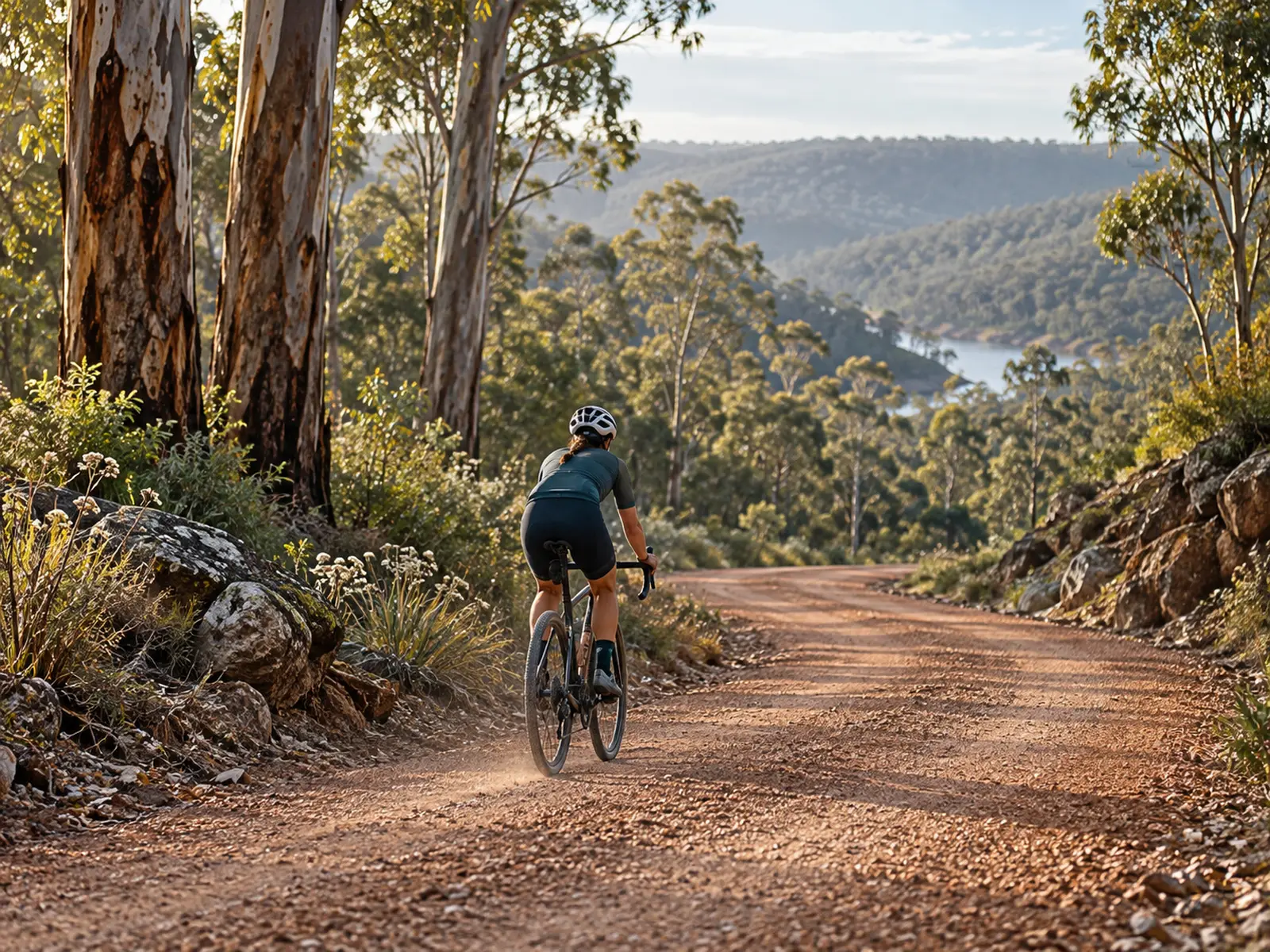
Vos later said the conditions had been muddier than she had expected and that the slippery sections required care. She also credited Klöser’s strength on the climbs, according to Cycling Weekly. Those remarks fitted the race pattern: Klöser was able to apply pressure uphill, but could not create a decisive separation before the technical run-in.
Escape Collective reported that Vos made her winning move about 3.5km from the line. Cycling Weekly similarly placed the attack within the final 4km. Vos went clear after the final climb and took the lead into the closing corner and descent, where she had sought to choose her own line.
Klöser remounted to secure second after late crash
Klöser crashed after Vos’s attack, with both reports locating the incident on the descent or run-in after the final climb. Cycling Weekly reported that she hit a rut but remounted and continued to secure second place. The crash disrupted her chase, according to Escape Collective, but the result still underlined how close the contest had been before Vos’s final acceleration.
The 27-second winning margin should therefore be read alongside the decisive sequence rather than simply as a measure of the riders’ comparative form across the full race. Vos had first created the gap through her attack; Klöser’s subsequent fall made it harder for her to reduce it. Hartog, meanwhile, finished 1min 48sec behind Klöser, a calculation from the published gaps which shows that the battle for gold and silver was distinctly tighter than the contest for bronze.

Hartog took third by outsprinting Germany’s Nele Laing, who was recorded at the same time. Erica Magnaldi of Italy finished fifth, 4min 17sec behind Vos. Sofia Gómez Villafañe was sixth at 5min 15sec, while Cromwell placed eighth, 7min 15sec down after her earlier breakaway effort had been absorbed.
Crashes were a broader feature of the race rather than solely a factor in the fight for victory. Escape Collective reported that Geerike Schreurs and Ashleigh Moolman-Pasio were among the riders most affected as the leading group was whittled down. Cycling Weekly also said both crashed out on a course it characterised as very technical.
What the result says about the race
Vos’s victory was not built on an early solo move or a sprint from a large bunch. Instead, the evidence from the final phase points to a race won through staying with Klöser on the crucial climb, then attacking before the technical descent. Vos said she wanted to lead into the tricky corner and descent so that she could take her own lines in the slippery conditions.
For Klöser, second place followed an aggressive performance that repeatedly shaped the finale. She helped establish the decisive break, forced the selection on the final climb and remained Vos’s last challenger until the crash. Hartog’s bronze completed a Dutch one-three finish, while Vos added another world title in a discipline in which she has now won twice.