

Morris built the omnium across four different tests
The omnium rewards versatility rather than one isolated ride. Morris finished in the top three in the scratch, tempo and elimination races, then protected her lead in the points race. She won with 125 points, ahead of Tsuyaka Uchino on 114 and Amalie Dideriksen on 107.
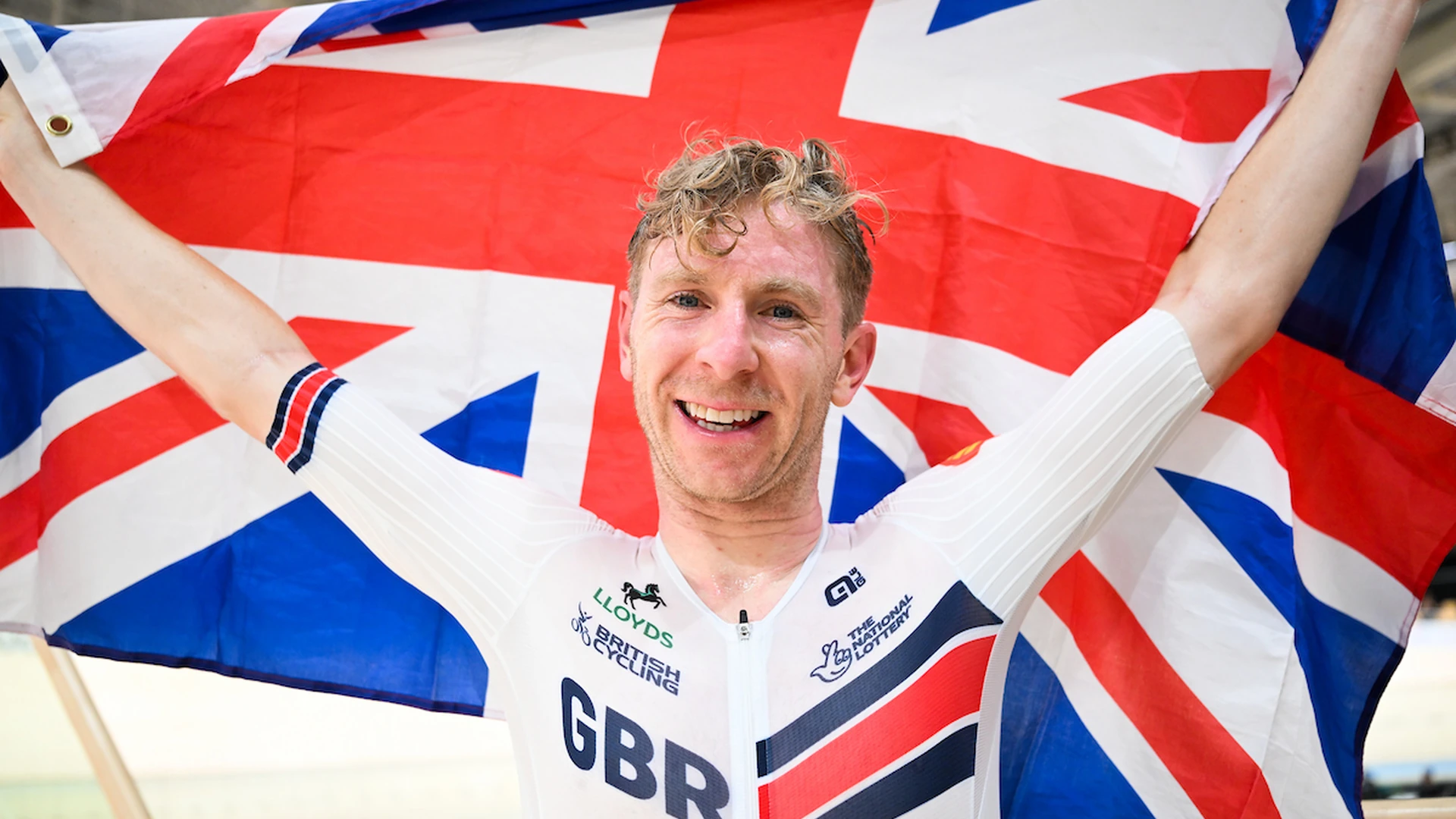
Her advantage came from avoiding one weak event. A rider can win a sprint and still lose the competition through a poor elimination decision. Morris stayed close enough in every discipline to make her final attacks count, adding another world title to a season that already included European and Commonwealth success.
Stewart finally converted experience into a rainbow jersey
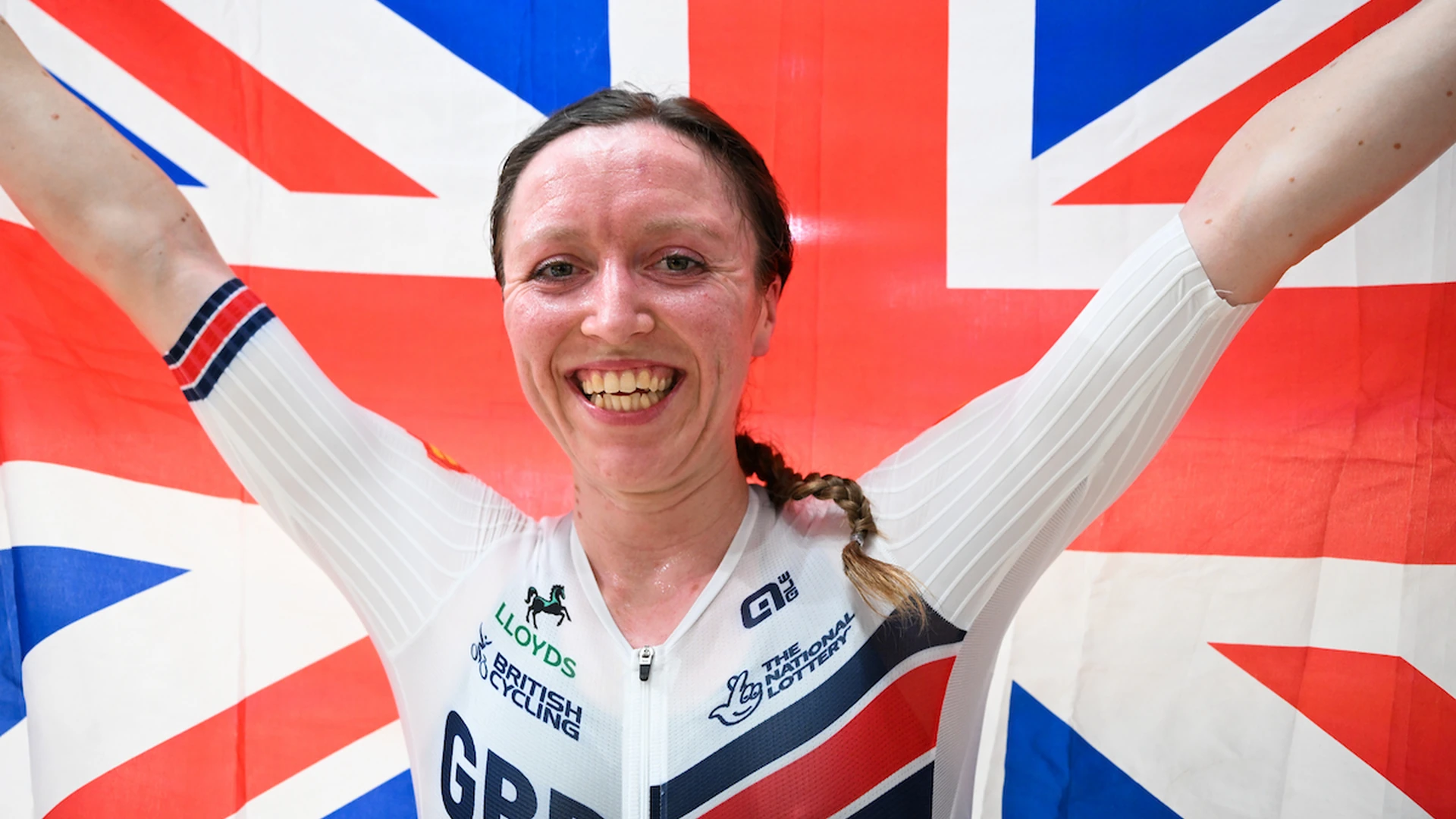
Stewart controlled the men’s points race through timing rather than constant movement. He entered the final sprint with a narrow advantage and protected the position when every rival knew what he needed. The victory gave the 31-year-old his first world title after years of major-championship experience.
Points races punish unnecessary pursuit. Chasing every move spends energy without guaranteeing a lap or sprint points. Stewart selected the attacks that changed the standings and remained composed when the final margin became small.
Britain’s depth now shapes the medal table
The two golds followed victories in the women’s team pursuit and men’s scratch race. Britain led the medal table after three days because success was spread across endurance events and supported by sprint and time-trial medals.
The remaining programme will test whether that depth survives fatigue. The team does not need every rider to repeat a gold-medal performance. It needs clean qualification, disciplined recovery and enough tactical clarity to keep converting finalists into medals.