
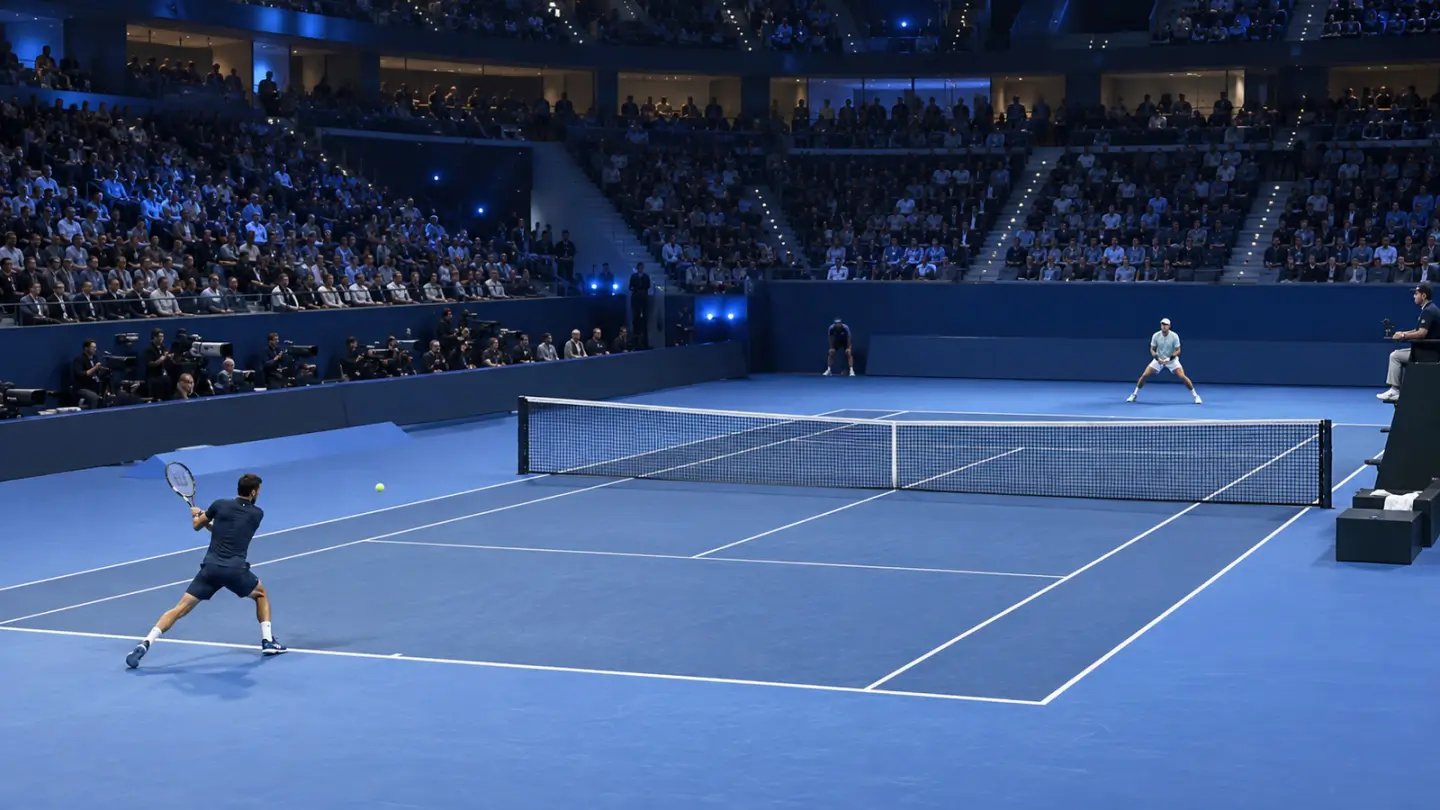
Novak Djokovic has been knocked out of the Shanghai Masters in his opening match, losing 6-4, 6-3 to Hubert Hurkacz in the second round on Friday, three days after winning the China Open in Beijing. The 39-year-old said afterwards that he was not as fresh as he had been in Beijing and struggled to adapt to Shanghai’s much quicker court.
Hurkacz, ranked 34th according to Tennis365, earned his first win over Djokovic at the ninth attempt. The Pole had entered the match with an 0-8 record against the 24-time Grand Slam champion, but took a single break in each set and protected his own serve effectively to complete a straight-sets victory.
For Djokovic, the result ended a brief but contrasting Chinese swing. His seventh China Open title was the 102nd title of his career, yet his Shanghai campaign lasted one match. The turnaround between the Beijing final and facing Hurkacz was only three days, a chronology that Djokovic himself identified as relevant to his physical sharpness.
Hurkacz made the decisive moments count
The first set remained close until Hurkacz broke Djokovic at 5-4, allowing him to serve out a 6-4 lead. He struck again early in the second set, breaking at 2-1, before maintaining that advantage to close out the match 6-3.
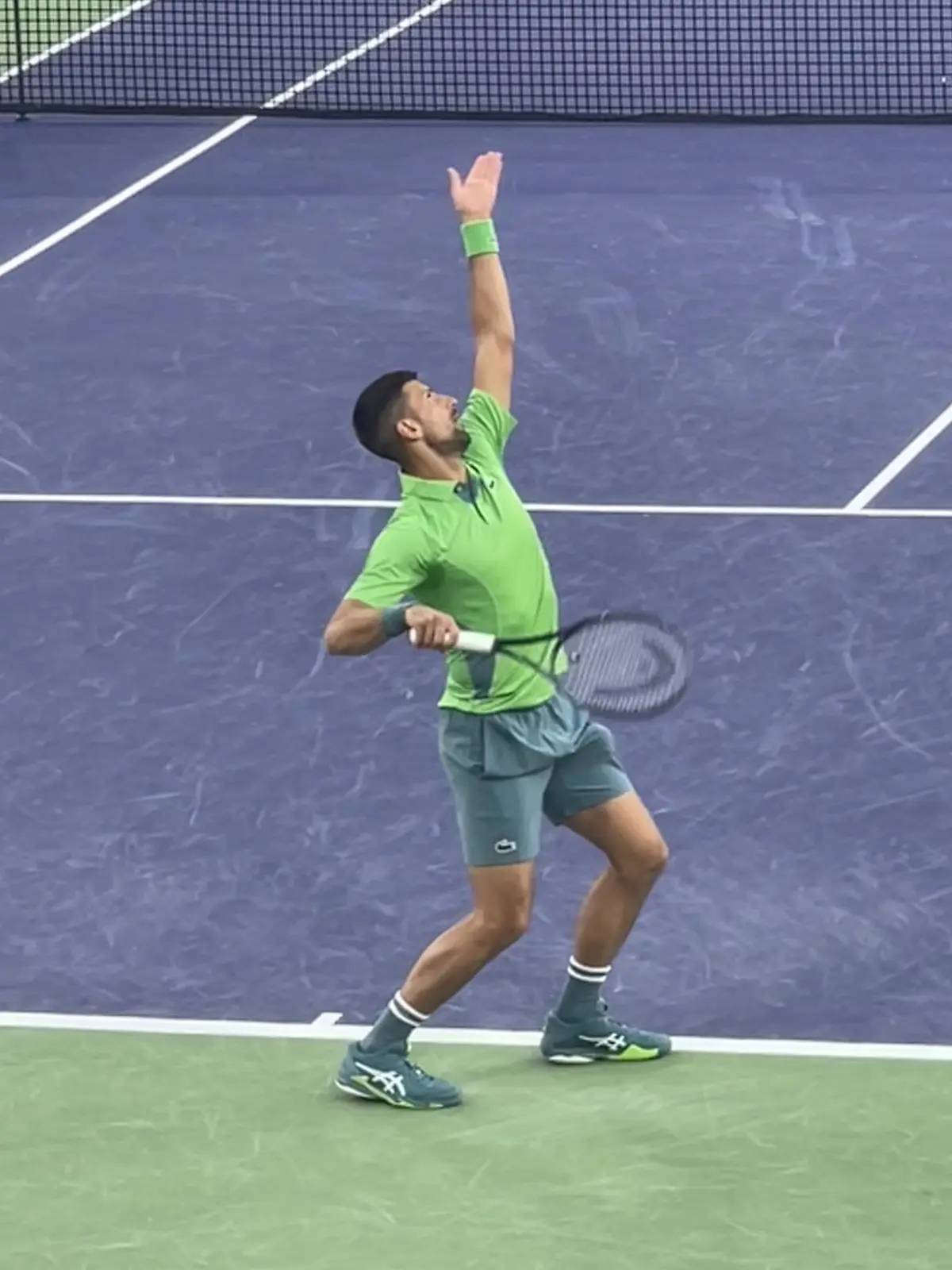
Sky Sports reported that Hurkacz delivered 13 aces and 28 winners in a controlled serving display. Djokovic told reporters that dropping serve once in each set had proved costly against an opponent whose serve he found exceptionally difficult to return.
The scoreline underlines how little margin there was once Hurkacz established his service rhythm. Djokovic did not lose serve repeatedly in either set; instead, one successful return game by Hurkacz in each was sufficient. Djokovic said the quick surface made Hurkacz’s serve particularly difficult to return, leaving little room for recovery after each break.
Hurkacz said in his on-court interview that it had been important to stay with Djokovic at the start rather than allow him to move ahead. He added that he had felt nervous when serving with the match in his control, but was pleased with how he finished the contest.
Djokovic cited fatigue and different conditions
Djokovic said he had not reproduced the level he found in Beijing. He reported feeling slightly tired and not fresh, while also describing the Shanghai surface as very quick and completely different from the one used at the China Open.
That contrast matters because Djokovic had arrived in Shanghai immediately after a successful week in Beijing. His China Open win was his seventh title at that tournament and his 102nd career title, but the final was curtailed when Alex de Minaur retired while Djokovic led 7-6 (7-3), 0-1. Even so, Shanghai presented a different opponent, new conditions and little time between events.

Djokovic said Hurkacz’s serve had made returning particularly difficult and accepted that he had not adjusted sufficiently to the court speed. His assessment was consistent with the match pattern: Hurkacz’s aggressive serving produced 13 aces, while the Pole conceded little on serve, according to Sky Sports.
The defeat does not alter the fact that Djokovic leaves China with a trophy, but it prevents him from building on that result at the ATP Masters 1000 event. Rather than playing deeper into the Shanghai draw, he said he would take some rest and prepare for the indoor part of the season.
What Djokovic said about his next tournament
Djokovic said Paris was his only planned event for the remainder of the season, although he framed that schedule as provisional. He said he hoped to achieve a strong result there after resting following Shanghai.
That makes the Hurkacz defeat a clear stopping point rather than the beginning of another long tournament run. Djokovic’s immediate priority, by his own account, is recovery and preparation, following a week in which he won in Beijing before encountering a notably different challenge in Shanghai.
For Djokovic, it is an early exit explained in part by his own assessment of fatigue, court speed and an opponent whose serve gave him too few openings.