
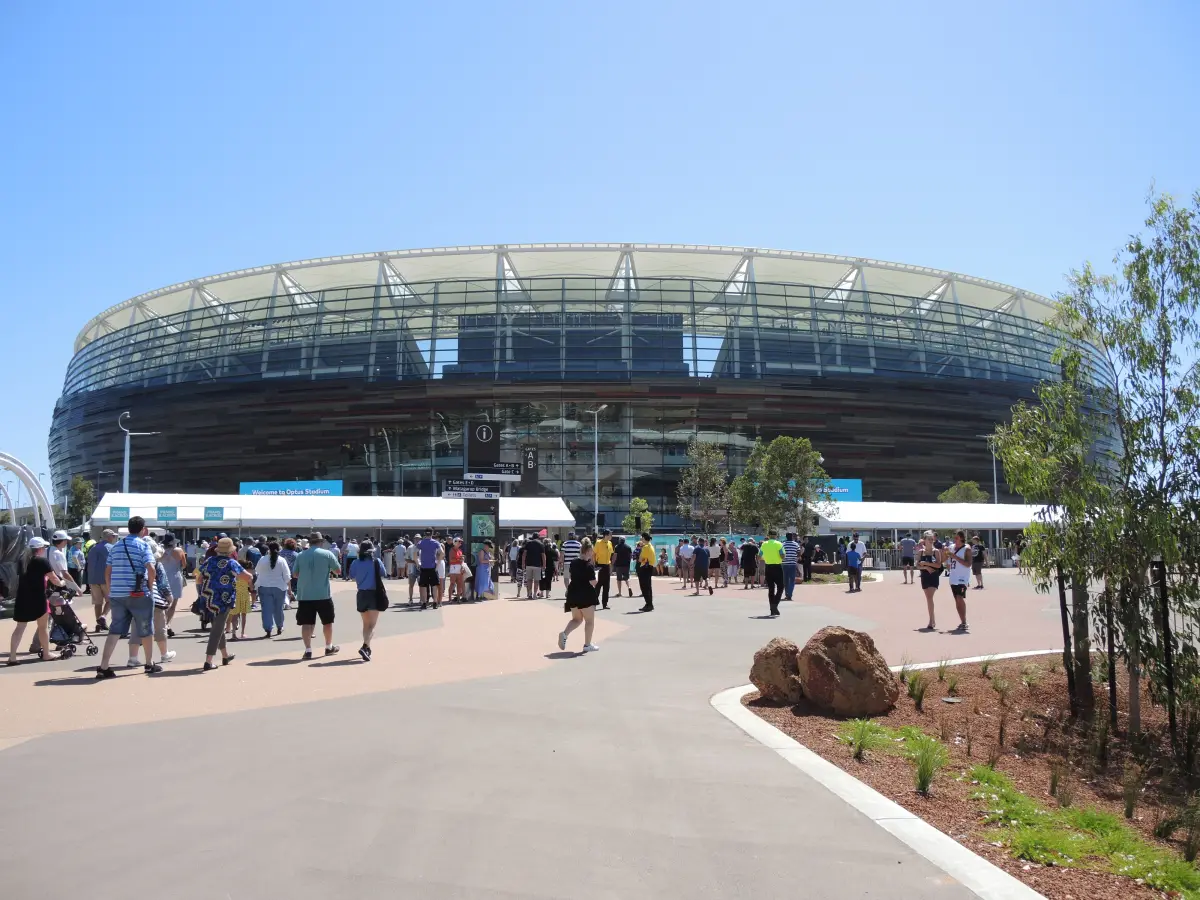
Australia held off a remarkable South African comeback to beat the reigning world champions 42-38 in Perth on 27 September, reclaiming the Nelson Mandela Plate after defending a late spell with only 11 players on the field.
The Wallabies had established a 42-17 advantage with 16 minutes remaining at Optus Stadium, but four yellow cards in nine minutes transformed a controlled performance into a tense finish. South Africa scored a penalty try before Morne van den Berg and Ox Nche crossed, cutting the gap to four points, but Australia saw out the closing stages.
The result extended Australia’s unbeaten sequence to six Tests and lifted Les Kiss’s team from seventh to sixth in the World Rugby rankings. South Africa remained first, although the defeat reduced their points advantage over second-placed New Zealand.
Five tries build a substantial Wallabies lead
Australia scored five tries through Len Ikitau, who crossed twice, Ben Donaldson, captain Harry Wilson and Max Jorgensen. Scrum-half Ryan Lonergan added four conversions and three penalties for 17 points.
South Africa also registered five tries, with Johan Grobbelaar and Edwill van der Merwe scoring in the first half before the late surge. The Springboks had made 13 changes after their previous victory over New Zealand, although the BBC reported that their starting side still included considerable experience.
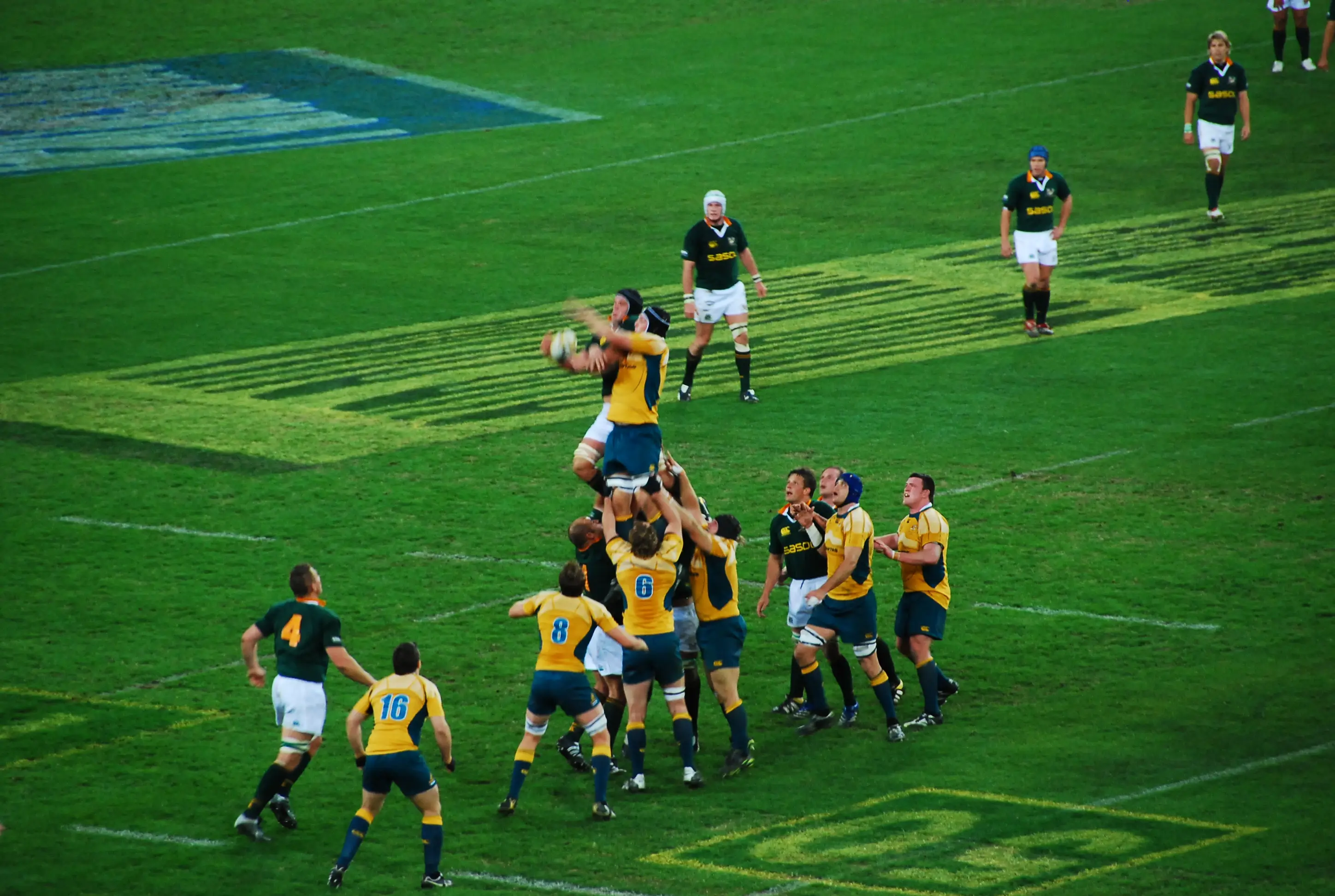
The BBC reported that South Africa’s starting second row alone had 240 caps between them. Rassie Erasmus made all eight of his replacements early in the second half, with the visitors 10 points behind, but Australia continued to dictate the contest before the late swing in momentum.
Grobbelaar opened the scoring from a maul, but Australia responded when Ikitau drove over after sustained pressure. Ikitau added his second after South Africa mishandled a high ball, before Van der Merwe finished a move in the corner to bring the visitors back into contention.
Donaldson’s try, after Australia moved the ball across the field following a lengthy passage of play, gave the hosts a half-time lead. Australia then took greater control after the interval. Wilson scored close to the posts and Jorgensen ran the length of the field after a South African error to make it 42-17.
That scoreline reflected an effective all-round display for much of the match. The Guardian reported that Lonergan and Tom Wright repeatedly used kicks for Jorgensen and Joseph-Aukuso Suaalii to challenge in the air, an approach which troubled South Africa. It also reported that Australia made close to 600 kicking metres, compared with just over 300 for the Springboks.
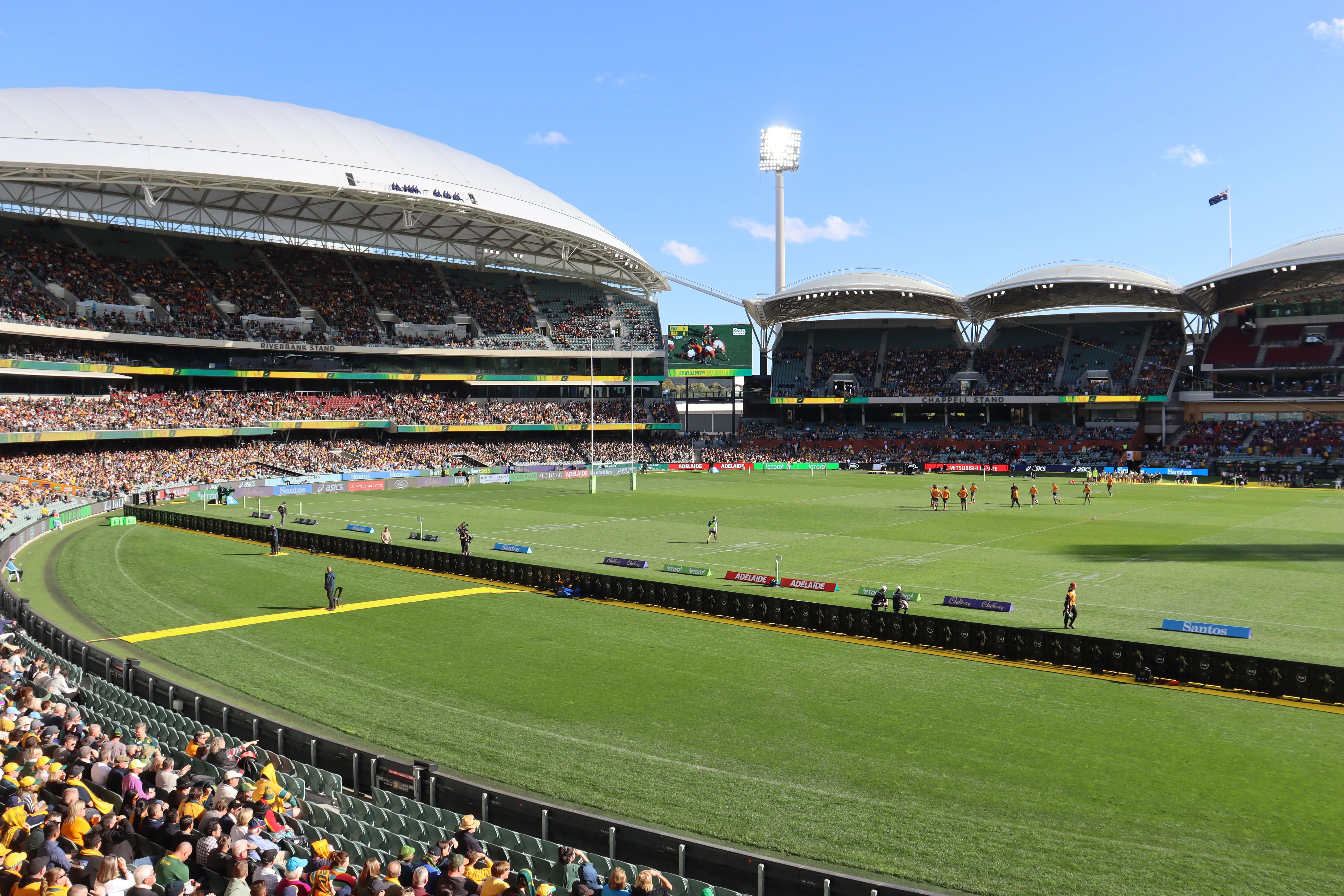
Australia’s forwards also competed strongly for most of the contest. That platform, coupled with their aerial work and finishing, enabled the Wallabies to open a lead which ultimately proved just large enough.
Four yellow cards leave Australia exposed
The closing quarter altered the contest sharply. Wilson was shown a yellow card in the 68th minute, followed by Lonergan in the 71st and Suaalii in the 73rd. Hunter Paisami received Australia’s fourth yellow card in the 77th minute after a review which also ruled out a Tom Wright interception try.
With the Wallabies depleted, South Africa were awarded a penalty try and Van den Berg scored from close range. Nche then crossed late on, with the conversion reducing the deficit to four points.
Australia nevertheless held on, with the BBC reporting that South Africa’s comeback ultimately fell short.
The win provides meaningful momentum before Australia’s next assignments: back-to-back Bledisloe Cup Tests against New Zealand on 10 and 17 October. The ranking rise is a tangible reward, but the greater significance is the evidence that Kiss’s side could build a substantial lead against the top-ranked team and then preserve it under exceptional pressure.