
A new group needs simple reference points
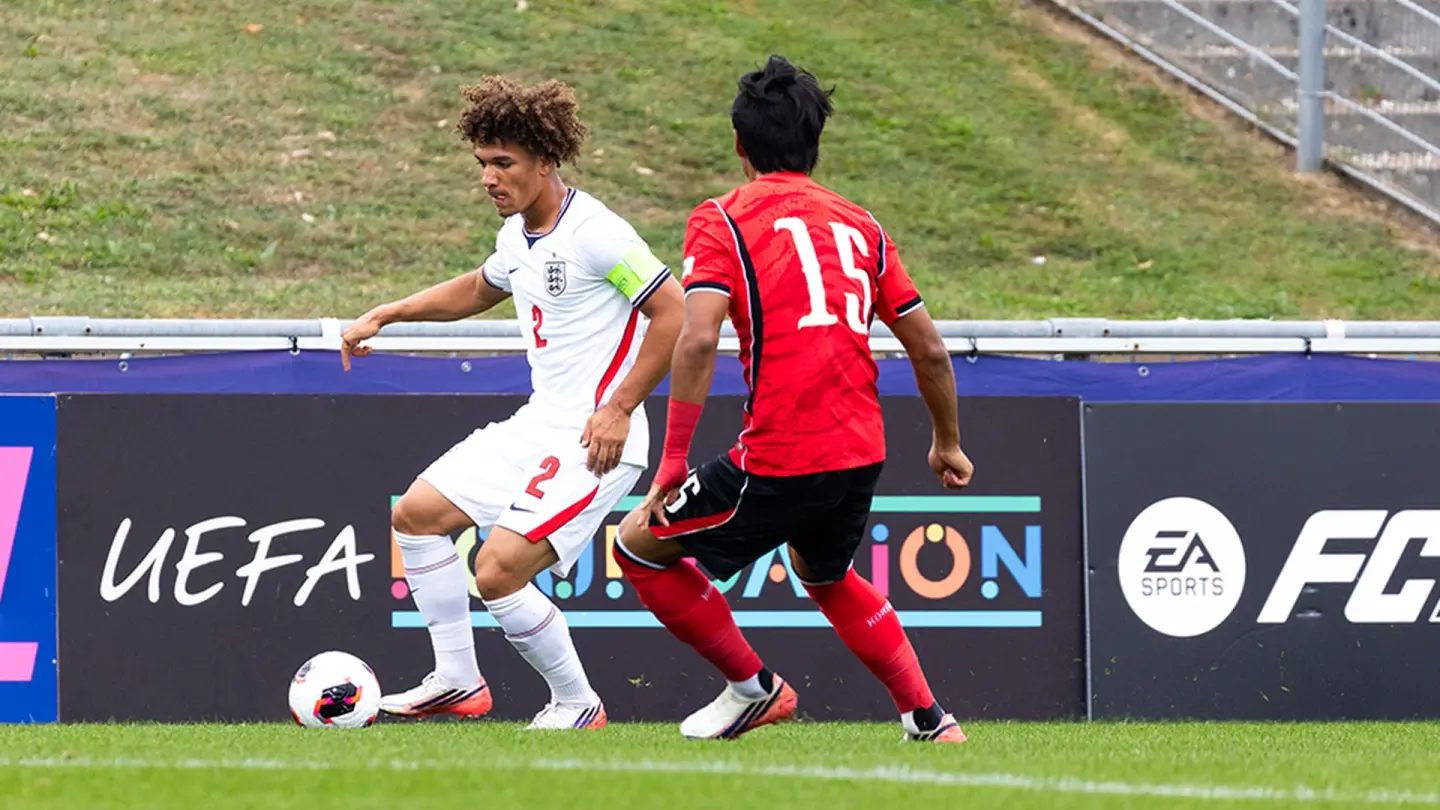
The squad includes players from Manchester City, Chelsea, Tottenham, Manchester United and several other clubs. Each academy teaches build-up and pressing in a slightly different way. England therefore need a small number of shared rules that can survive substitutions and positional changes.
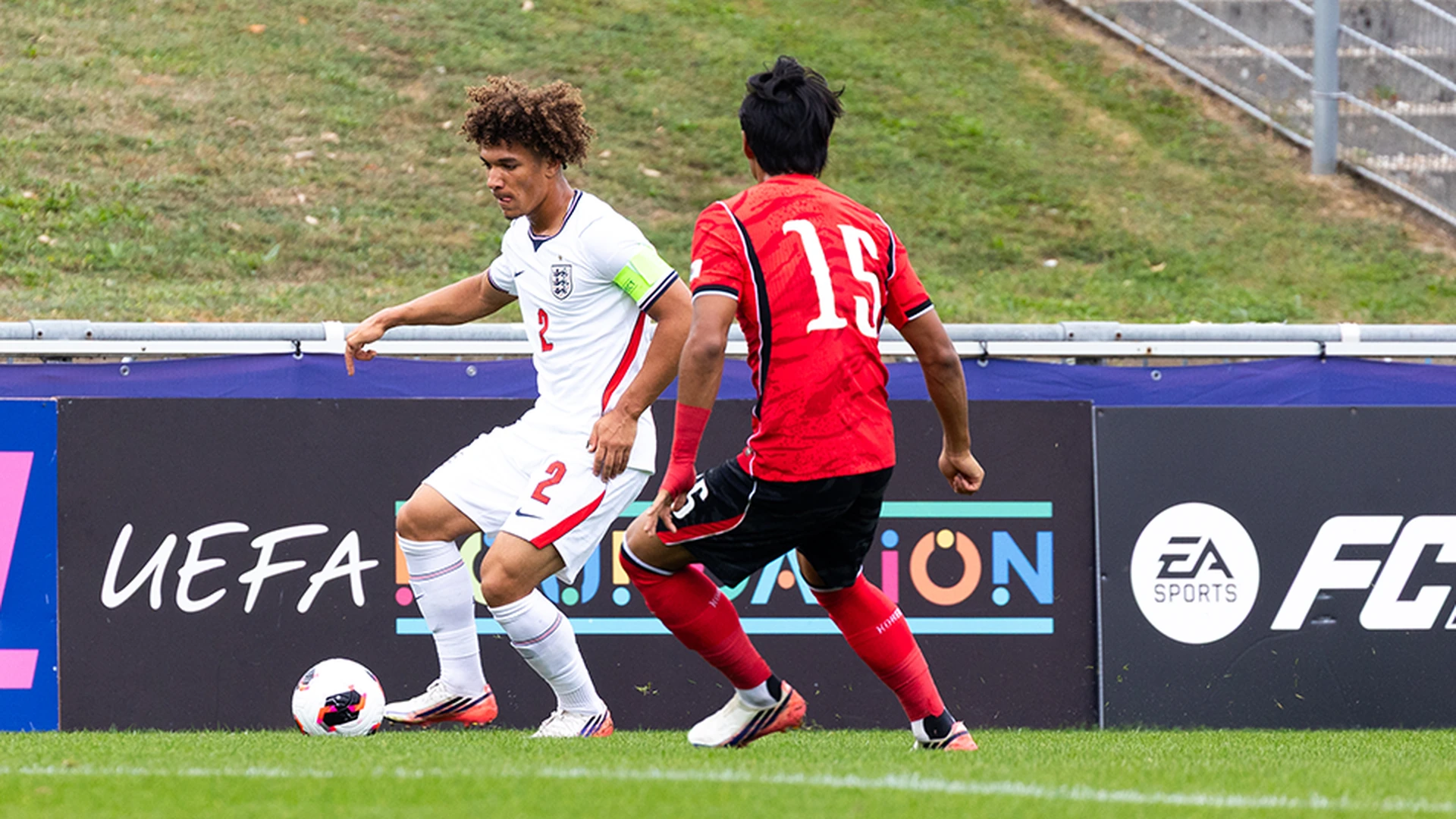
The first reference point is the position of the holding midfielder. If that player drops between the centre-backs, the full-backs can advance; if he stays higher, one defender must carry the ball forward. Making that decision early prevents three players from occupying the same line.
Three opponents give the staff a useful comparison
The opening fixture against the Netherlands was scheduled for 11 November at 14.00 GMT at Oliva Nova. England then face Sweden on 14 November and Switzerland two days later. The programme offers three different opponents and enough minutes to assess players beyond one short appearance.
Dutch youth sides are comfortable pressing after a backward pass. England need the goalkeeper and far-side defender as escape routes rather than forcing a pass through the nearest crowd. When the first line is broken, a quick forward action can exploit the space behind the press.
The camp can reveal more than one score
At under-18 level, the staff need evidence about decision-making under pressure. A winger who loses the ball attempting the right action may show more than one who protects possession without threatening. The important question is whether each player recognises the next moment and reacts immediately.
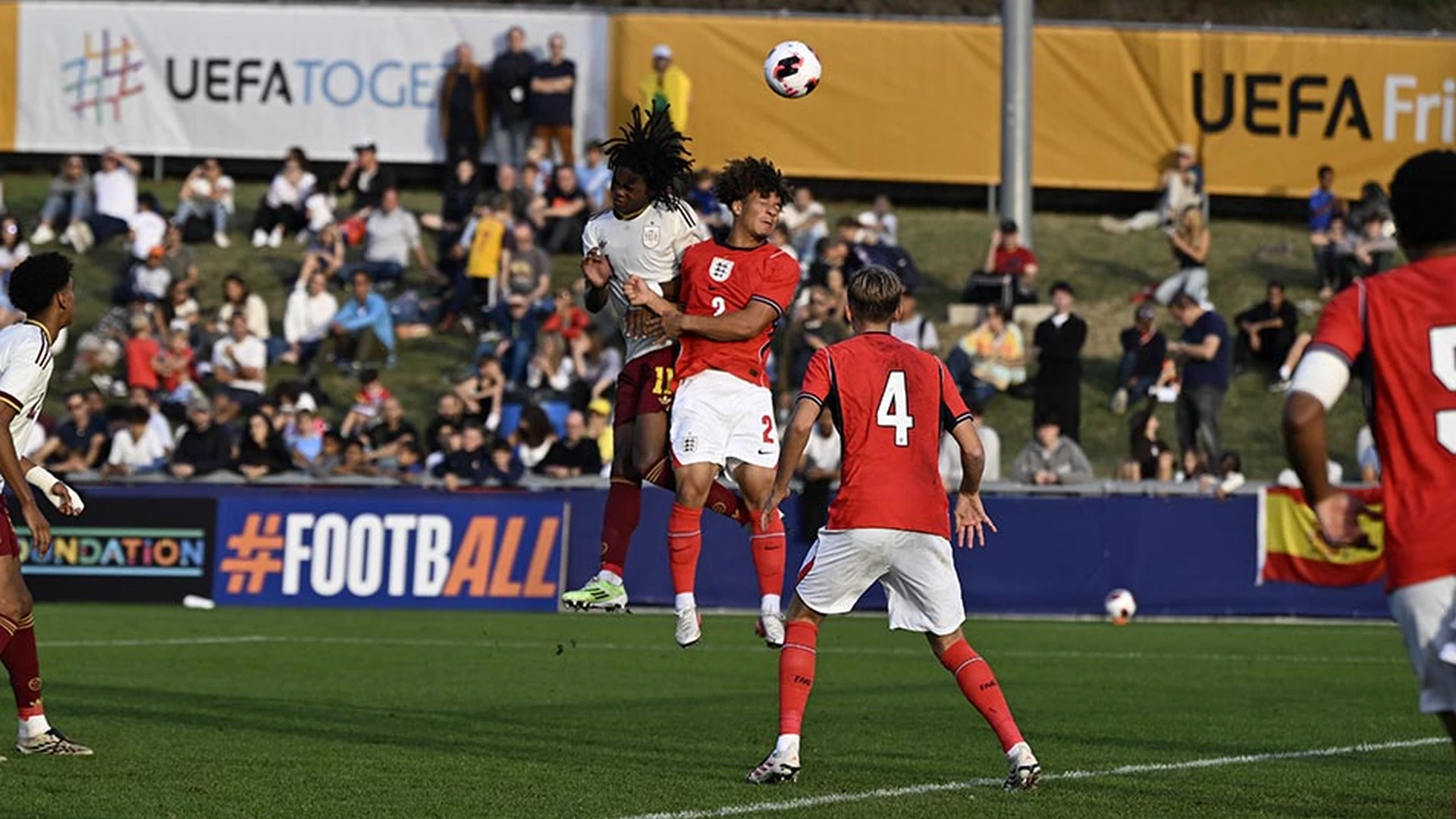
Defenders will also be judged on communication. The Netherlands can rotate a forward into midfield and send another runner beyond him. England’s back line must decide who follows and who protects depth, because two players chasing the same movement opens the most dangerous space.
Substitutions must preserve the structure
A friendly allows broad rotation, but eleven changes without clear roles can reduce the value of the exercise. Antwi can introduce players in groups so that at least part of the existing structure remains. That makes individual comparisons fairer and keeps the match competitive.
Across the camp, England need controlled possession, a coordinated reaction to turnovers and forwards who attack different zones. Those principles give the staff useful combinations for the Sweden and Switzerland fixtures and matter more than keeping one starting line-up together for every match.