

Sunderland defended the central areas with discipline
The home side kept its midfield line close to the defence and directed Chelsea’s possession towards the touchlines. Chelsea circulated the ball patiently, although the final pass was often made from a wide and less dangerous position.
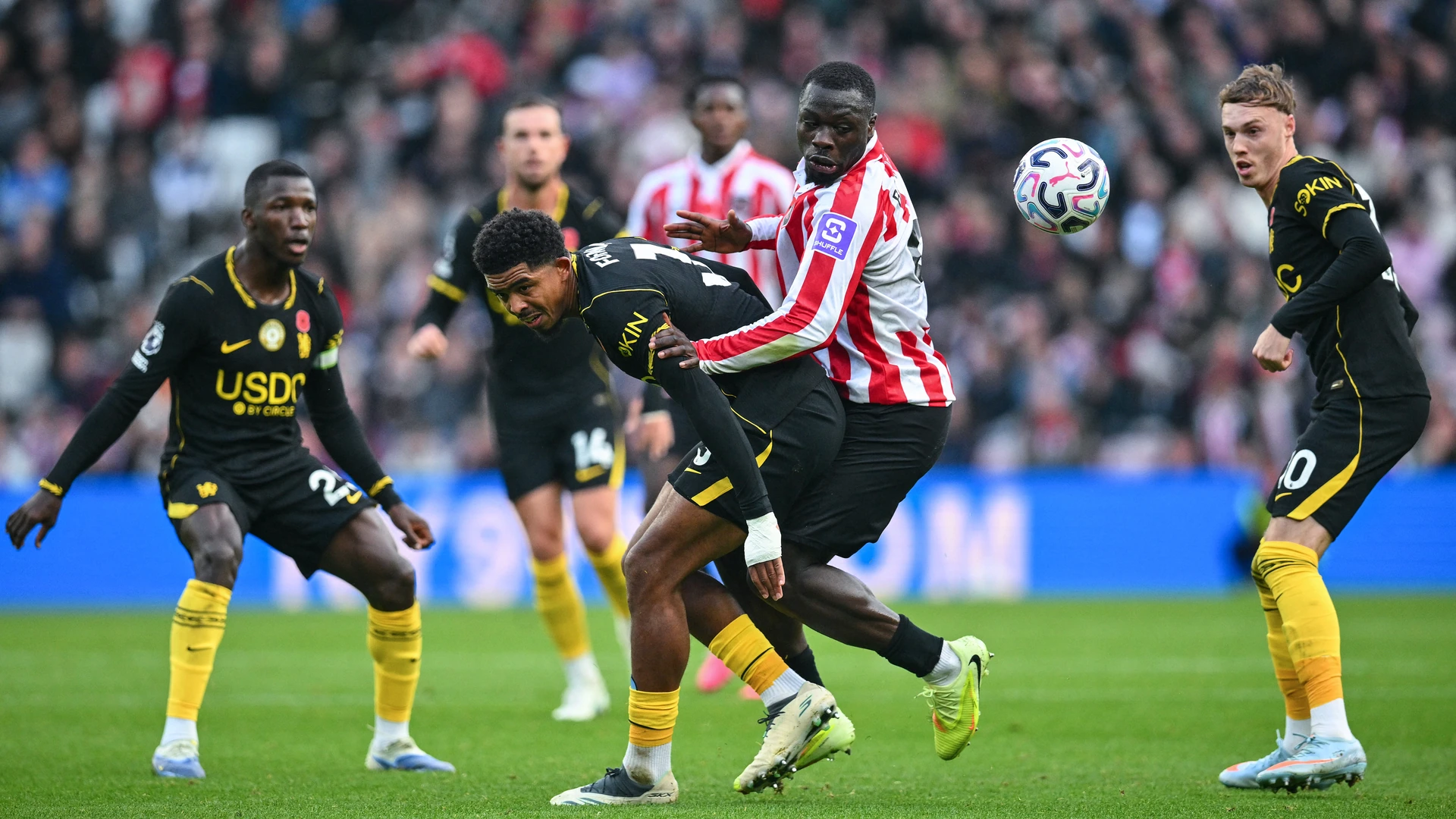
Sunderland did not need to press constantly. Their forwards waited for loose touches and supported quick breaks, which prevented Chelsea from moving every available player into attack.
Le Fee converted the decisive chance
The league match was played on 8 November. Sunderland were awarded a penalty in the 36th minute, and Le Fee kept his finish controlled to give the hosts a lead they could protect.
Chelsea responded by moving the ball more quickly before half-time. Sunderland remained compact, cleared the first delivery and reacted well whenever a second ball dropped near the edge of the area.
Possession alone did not create an equaliser
The visitors pushed their full-backs higher after the interval and spent more time in Sunderland’s half. The home defenders stayed close to their opponents and reduced the space available for a clean shot inside the box.
Sunderland’s 1-0 win was built on one converted opportunity and a complete defensive performance. Chelsea controlled territory but could not change the score because too few attacks ended with a decisive touch.