
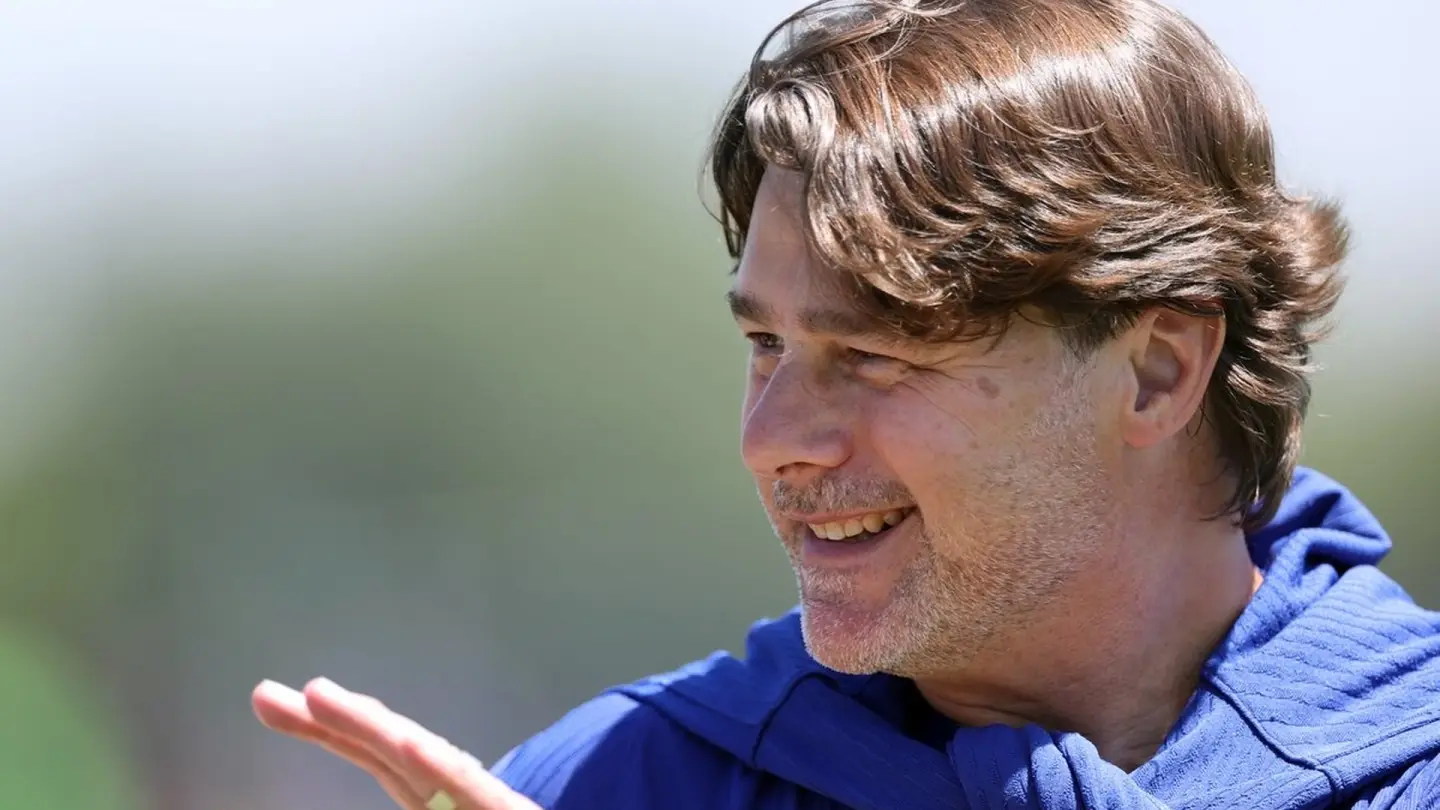
Pochettino returns to English club football with experience at Southampton, Tottenham Hotspur and Chelsea. He is known for aggressive pressing, quick transitions and the development of younger players. United will expect those qualities to support a longer-term rebuild.
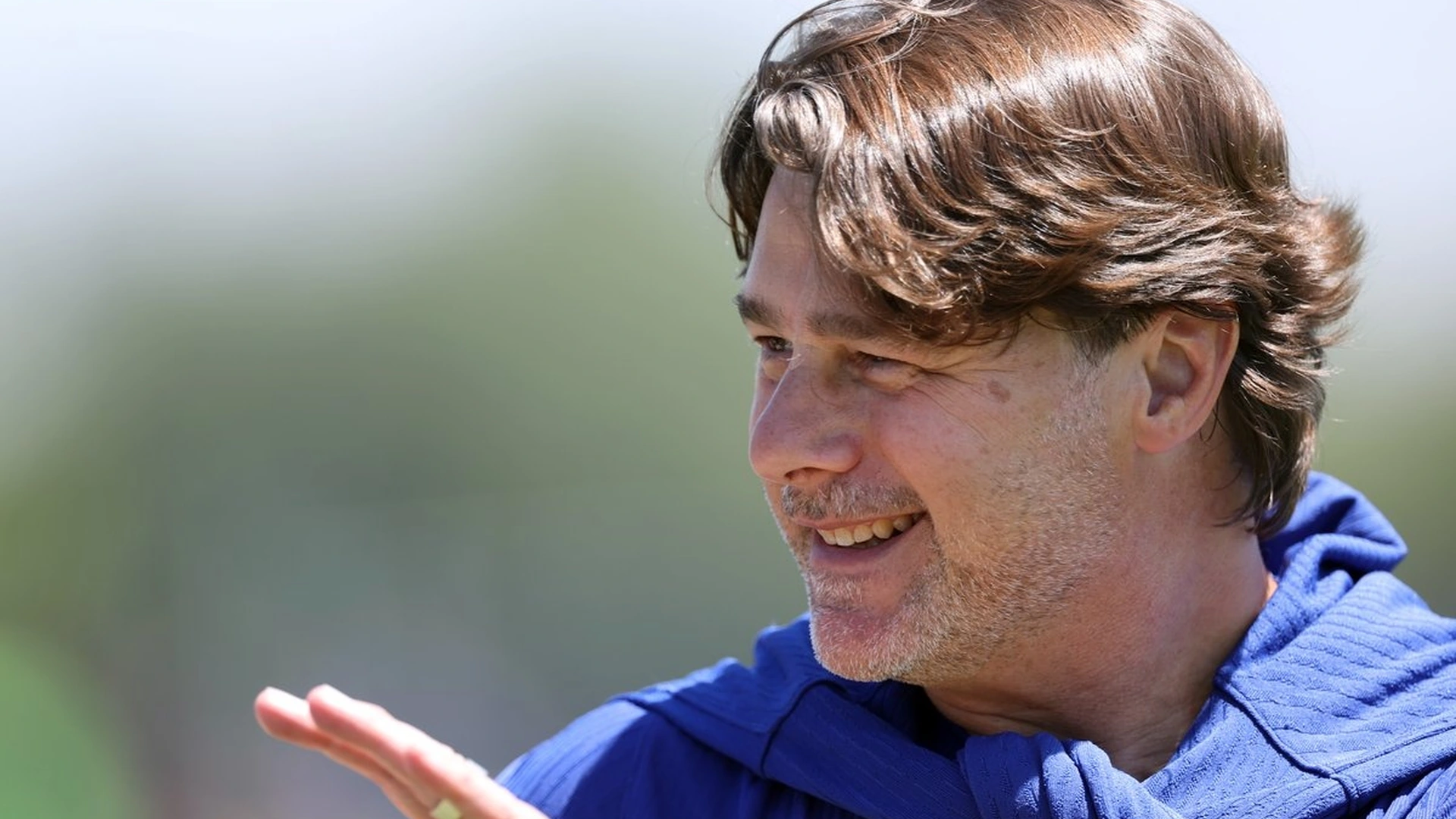
The agreement was announced on 13 November, with Pochettino due to begin work on 18 November. That timing allows him to complete his responsibilities with the United States national team before moving to Manchester. The club will use the days before and after his arrival to finalise the coaching staff and training plan.
A familiar coach with a demanding style
Pochettino’s best teams have pressed high and tried to regain the ball close to the opposition goal. That approach requires coordinated movement rather than individual running. United’s defenders and midfielders will need to keep the team compact when the first press is broken.
He has also given important roles to academy graduates throughout his career. Manchester United have a strong youth tradition, so the coach’s record with young players fits an important part of the club’s identity.
- Pochettino has previously managed Southampton, Tottenham and Chelsea in England.
- He is due to start work in Manchester on 18 November.
- The club expects a clearer pressing system and better development of young players.
Immediate decisions await
The new coach must decide which midfield combination can control matches without leaving the defence exposed. He also needs to define the roles of the wide forwards and identify the best way to move the ball past an opponent’s pressure.
A major tactical change cannot be completed in one week. The first matches will instead show which principles Pochettino considers essential. Training intensity, the distance between the defensive, midfield and forward lines, and the response after losing possession are likely to be early priorities.
Player fitness will shape the opening period because several squad members return from international duty shortly before his first sessions. The coaching staff will have to balance new tactical work with recovery.
The appointment gives United a permanent direction after a period of uncertainty. Results will remain the main measure, but the club also needs visible progress in performance and a style that can be repeated from one match to the next.