
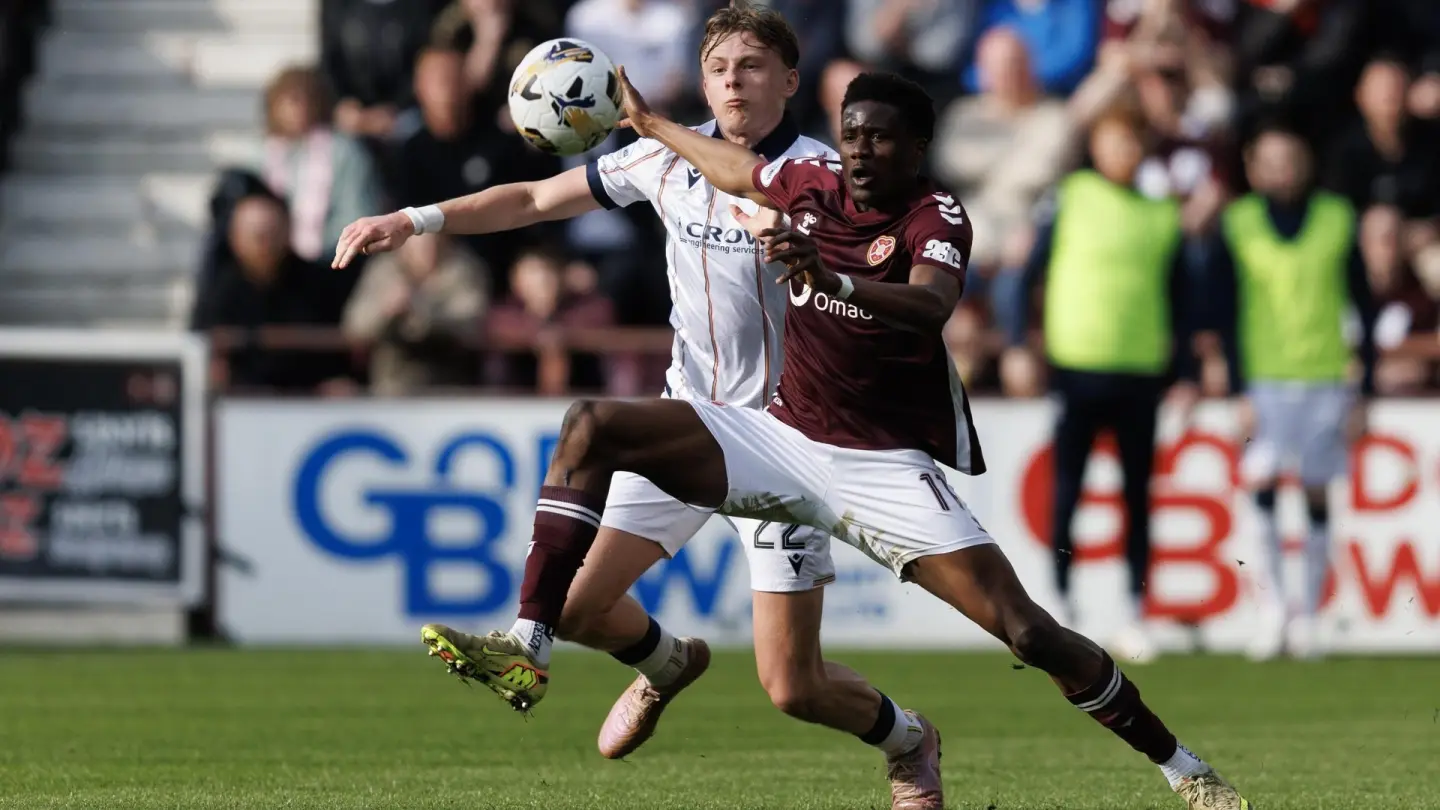
Hearts host Monaco in the Conference League at 17:45 on 26 November. The arrival of one of France’s most recognisable clubs gives Tynecastle a major European occasion, yet the tactical challenge is clear. Hearts must make the ground feel uncomfortable without opening the match so widely that Monaco can attack into empty space.
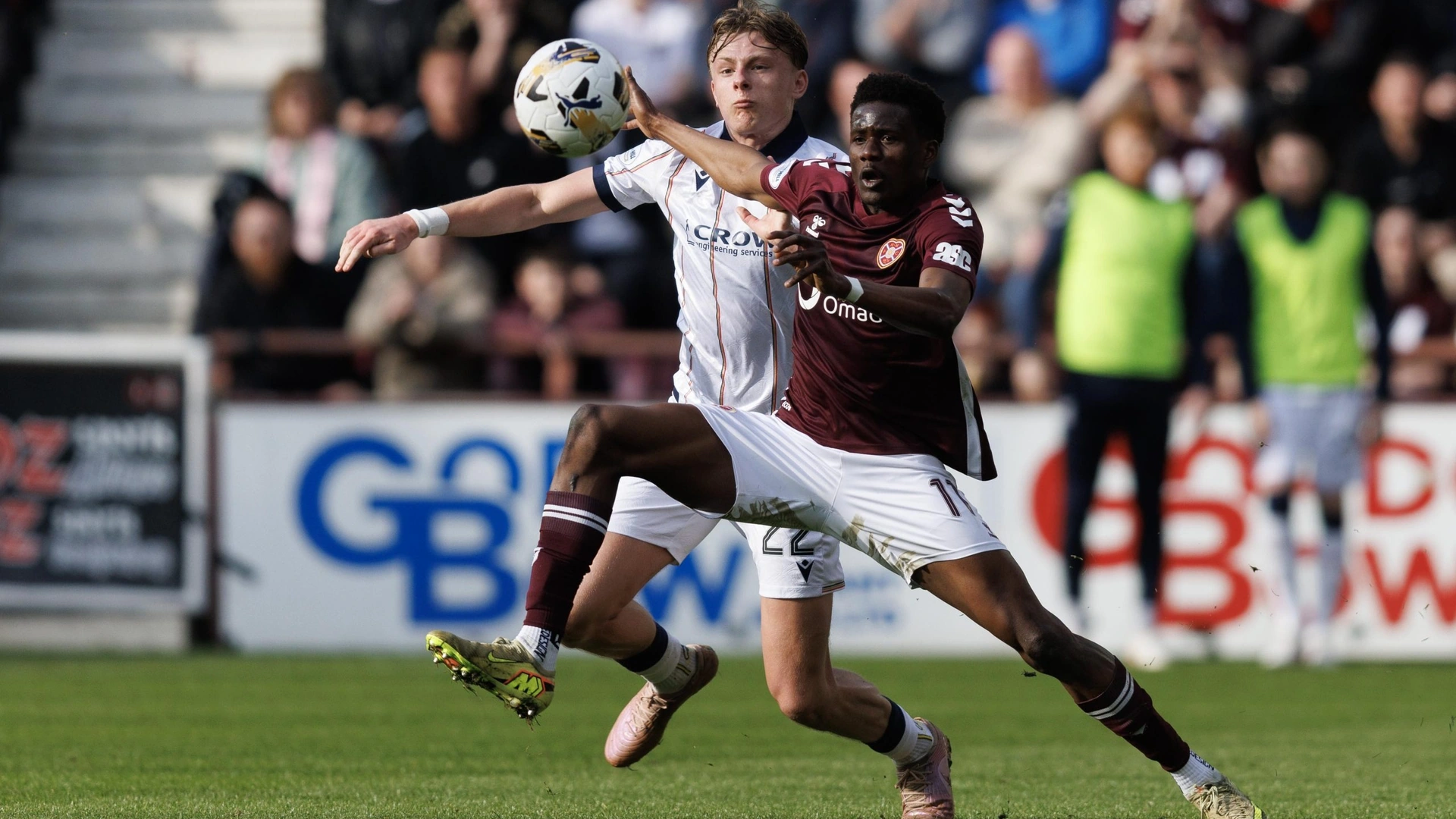
The Scottish side can use direct passes to move the game away from their own goal, but the first duel is only part of the plan. Midfielders and wing-backs have to arrive close enough to compete for the second ball. If Monaco collect it uncontested, the visitors can turn a defensive clearance into an attack within a few seconds.
Hearts need to choose the right moments to press
Hearts will not be able to press every Monaco pass with the same intensity. A poor touch, a backwards pass or a receiver facing his own goal offers a better cue. Choosing those moments keeps the team compact and reduces the chance that one simple combination removes several players from the action.
Tynecastle’s tight atmosphere can influence the rhythm, particularly if Hearts win early tackles and corners. The players still need to separate emotion from decision-making. A rushed challenge near the box or a hopeful pass after regaining possession would give Monaco the set piece or transition they are seeking.
Set pieces give Hearts another route to goal
Dead-ball situations allow Hearts to place numbers around Monaco’s goal without having to construct a long attack. Delivery must carry enough pace to challenge the goalkeeper and centre-halves, while two players remain prepared for a clearance. The second phase may be more productive than the initial header.
At the other end, concentration is essential. Monaco’s attackers can change positions quickly, dragging a marker away before a runner attacks the vacated channel. Hearts should pass responsibility between defenders rather than follow every movement individually. Communication will be especially important when the ball is switched from one flank to the other.
Hearts do not need to imitate Monaco’s style to compete. They need to make their own strengths repeatable: secure territory, contest the loose ball, use set pieces well and protect the centre when possession is lost. That approach gives the home crowd reasons to stay involved and makes the visitors earn every opening.