

England should not chase the score from the first minute
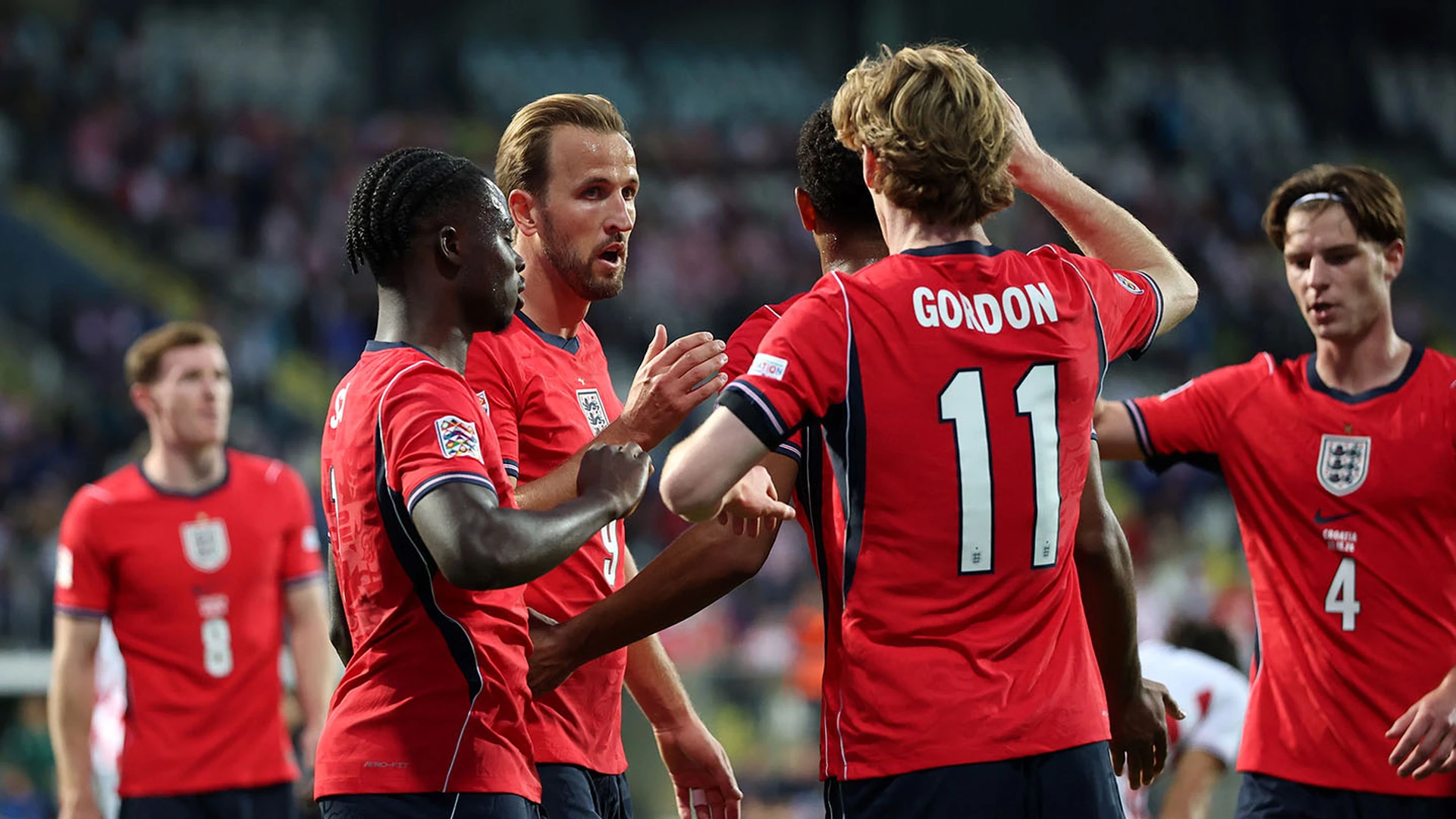
The 7-0 win in Rijeka showed how effectively England can attack when their press and forward runs are connected. It does not guarantee the same space at Wembley. Croatia are likely to defend with shorter distances and ask England to move the ball around the block before a central opening appears.
England can respond by keeping genuine width and placing one midfielder behind the first Croatian line. A quick switch is useful only when the receiving player has support. If the full-back is isolated, Croatia can press near the touchline and turn a promising possession into a transition.
The group position creates two different objectives
The match takes place on 12 November at 19:45 GMT. A draw is enough for England to reach the quarter-finals, while winning both remaining fixtures could allow them to finish above Spain. The team must balance that ambition with the risk of giving Croatia easy counterattacks.
Thomas Tuchel does not need to choose between attacking and protecting the result. England can keep pressure through secure possession, with one midfielder and two defenders positioned to stop the first pass after a turnover. That structure lets the front players take risks without leaving the team open.
Harry Kane can set another England record
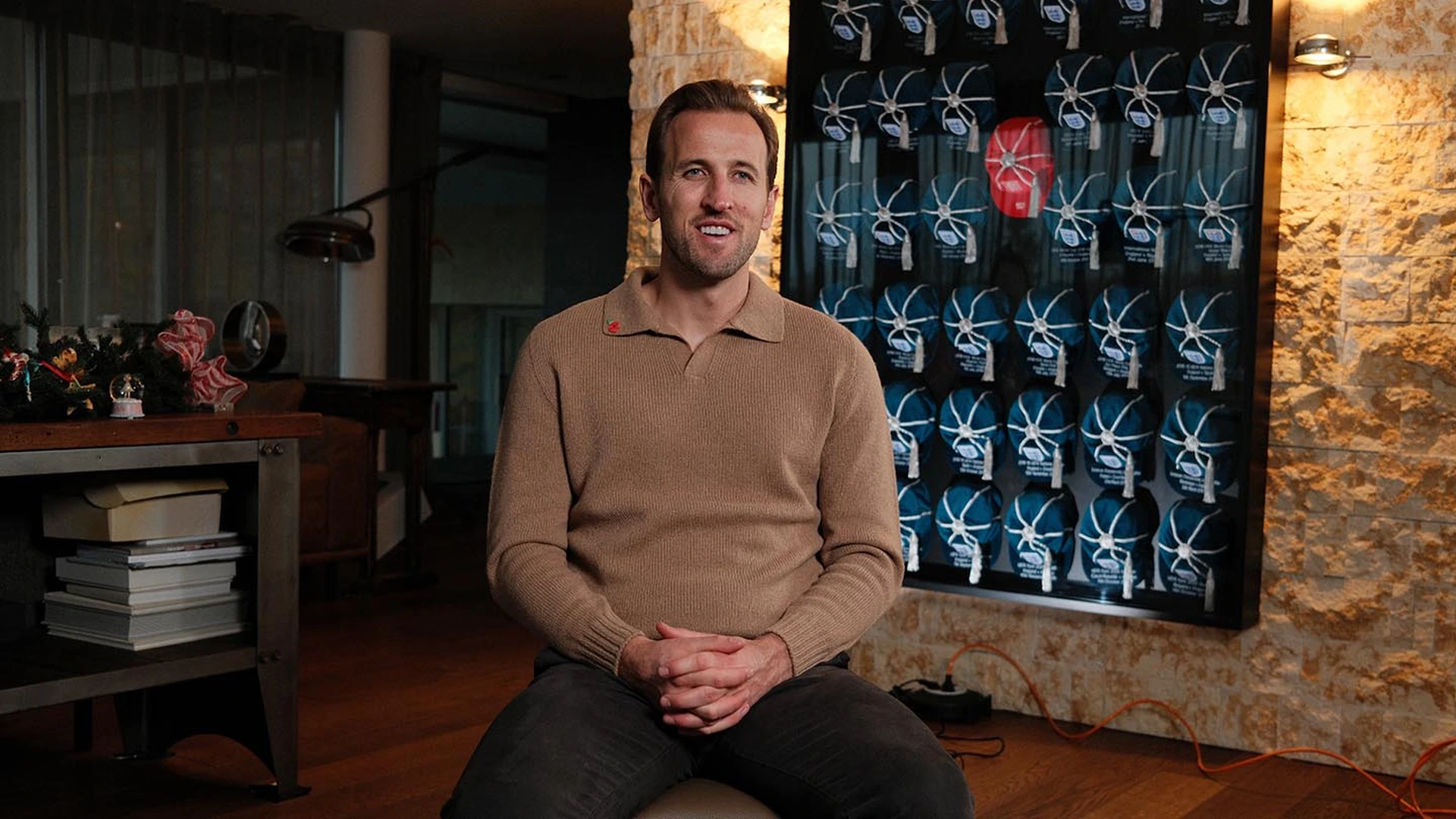
Kane is level with Peter Shilton on 125 senior appearances and would become the most-capped England men’s player if selected. He has scored 13 international goals in 2026, and his movement remains central to the way England create room around the penalty area.
Croatia will try to prevent him receiving between the centre-backs. Kane can still influence the match by dropping towards midfield and drawing one defender forward. A winger or attacking midfielder must then attack the space he leaves, otherwise the movement will only take England farther from goal.
Croatia still have experience in decisive matches
Luka Modrić gives Croatia a player capable of changing the direction of an attack before England’s press settles. Joško Gvardiol and Luka Vušković provide a strong base in defence, while Slaven Bilić knows that his side cannot afford the same open spaces as in October.
England’s task is to make the match about repeated, controlled decisions rather than the memory of the earlier score. If they move Croatia, protect the centre after losing the ball and keep their final pass simple, qualification can be secured without turning the evening into an unnecessary exchange of attacks.