
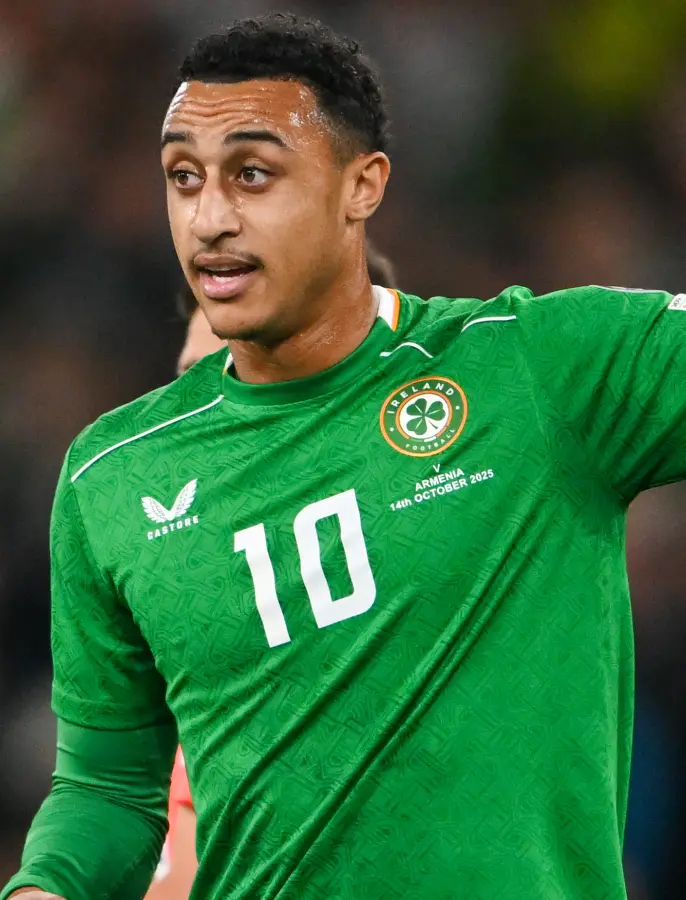
Republic of Ireland overcame an exceptionally difficult build-up to beat Israel 3-0 in the Uefa Nations League in Debrecen, Hungary, after the squad voted to fulfil the fixture amid calls for a boycott connected to the Israel-Gaza war.
Ireland’s players marked their position before kick-off by wearing black armbands, lowering their heads during Israel’s national anthem and declining to take part in the customary handshakes or exchange of pennants. The Football Association of Ireland’s chief executive David Courell had said the armbands recognised all lives lost in the Gaza conflict.
Once the match began, Heimir Hallgrimsson’s side produced a decisive first-half display. Troy Parrott opened the scoring before Adam Idah doubled the lead shortly afterwards, with Jack Moylan adding the third in the 25th minute. Israel improved after the interval, but goalkeeper Caoimhin Kelleher made important saves to preserve the clean sheet.
Ireland’s players fulfil fixture after vote
Israel were the nominal home side at the neutral venue in Hungary, with the two teams’ Nations League meetings having drawn sustained controversy since the group draw. Ireland’s squad held a lengthy meeting in Debrecen before deciding, by what Courell described as a significant majority, to play.
Reserve goalkeeper Gavin Bazunu withdrew from this match and the return game on personal grounds. Hallgrimsson said nobody within the camp had questioned Bazunu’s decision, although he acknowledged that its timing had been difficult for the squad to manage.
The manager said the days before the game had been among the toughest of his coaching career. He praised his players for the dignity and resolve with which they represented themselves, arguing that their actions had brought wider attention to the issues that had prompted the protest.
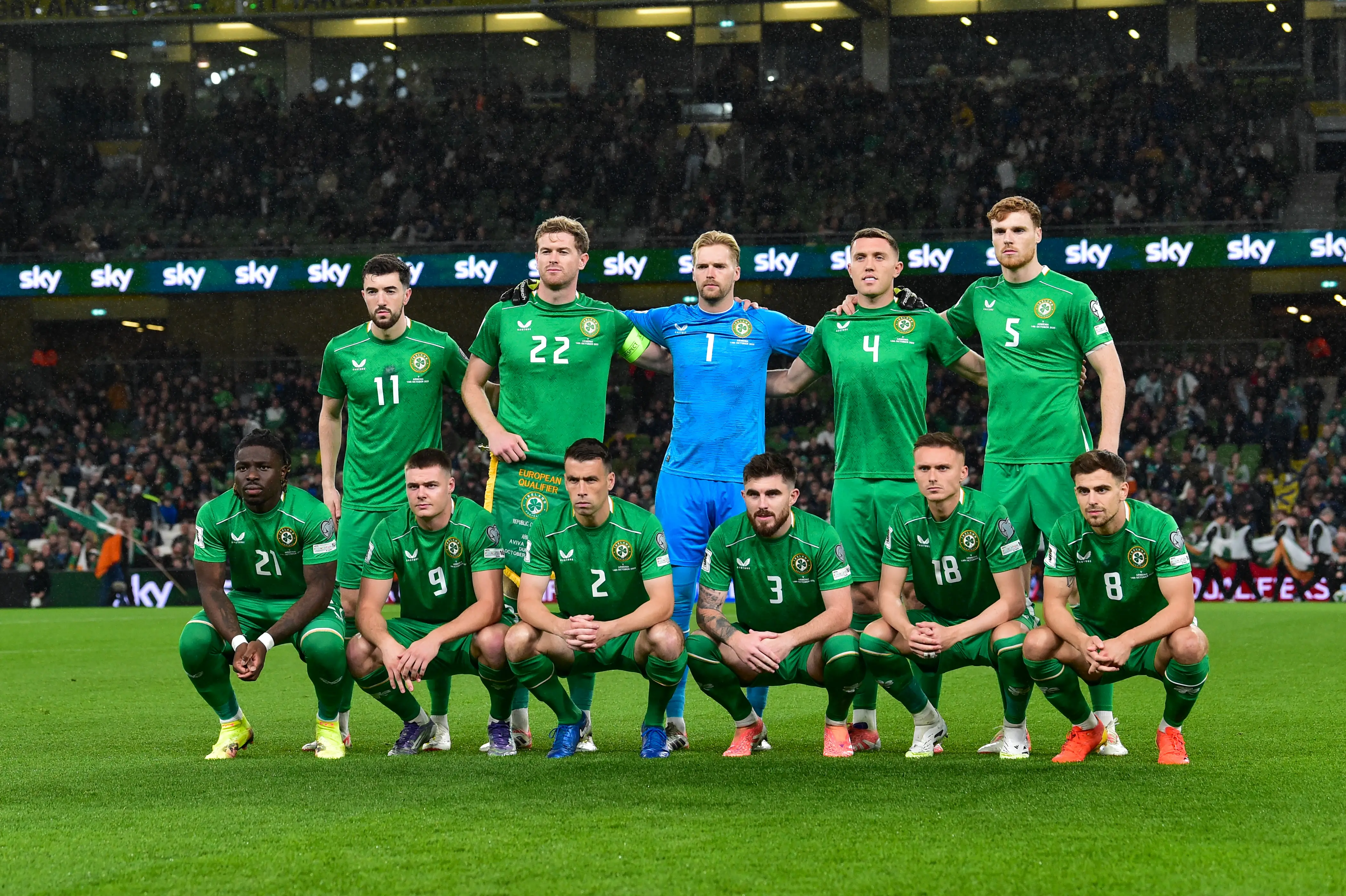
The Irish players did not make contact with their Israeli counterparts in the conventional pre-match line-up. Captain Dara O’Shea shook hands with the referee and assistants, but there was no handshake with Israel captain Manor Solomon. Both teams then moved quickly into their own pre-match huddles.
Three first-half goals settle the contest
Ireland translated their early control into a commanding lead. Parrott finished after work down the right from James Abankwah, according to the Guardian’s match report. Idah then ran on to a pass from Moylan and finished calmly to make it 2-0.
Moylan completed the scoring before half-time with a low strike after carrying the ball into the area. Following his goal, he removed and kissed his black armband before kissing the Ireland badge, a gesture also reported by the BBC and ESPN.
That burst gave Ireland a result which left little room for a recovery, despite a more purposeful second half from Israel. Kelleher denied substitute Dor Peretz with one notable save, while ESPN reported that tensions flared around the hour after a clash involving Idah and Raz Shlomo, with both players booked.
That response was significant within the contest because Ireland had to perform after a disruptive build-up and a late change in their goalkeeping options. Their forwards took the opportunities created before the interval, then the side relied on Kelleher when Israel applied greater pressure. It was not a one-sided second half, but the first-half margin and the goalkeeper’s interventions meant Ireland retained control of the scoreline.
Hallgrimsson said his selection had been based on which players he believed could deliver Ireland’s best performance, rather than their views on whether the game should be played. The performance supported that assessment: Ireland were clinical in the first half and had the defensive resilience, led by Kelleher after the break, to see out a clean-sheet win.
The teams are due to meet again in Backa Topola, Serbia, on 4 October, with Ireland designated as the home side. The return fixture is scheduled to take place in a context likely to attract continued attention following the controversy around the first game.