
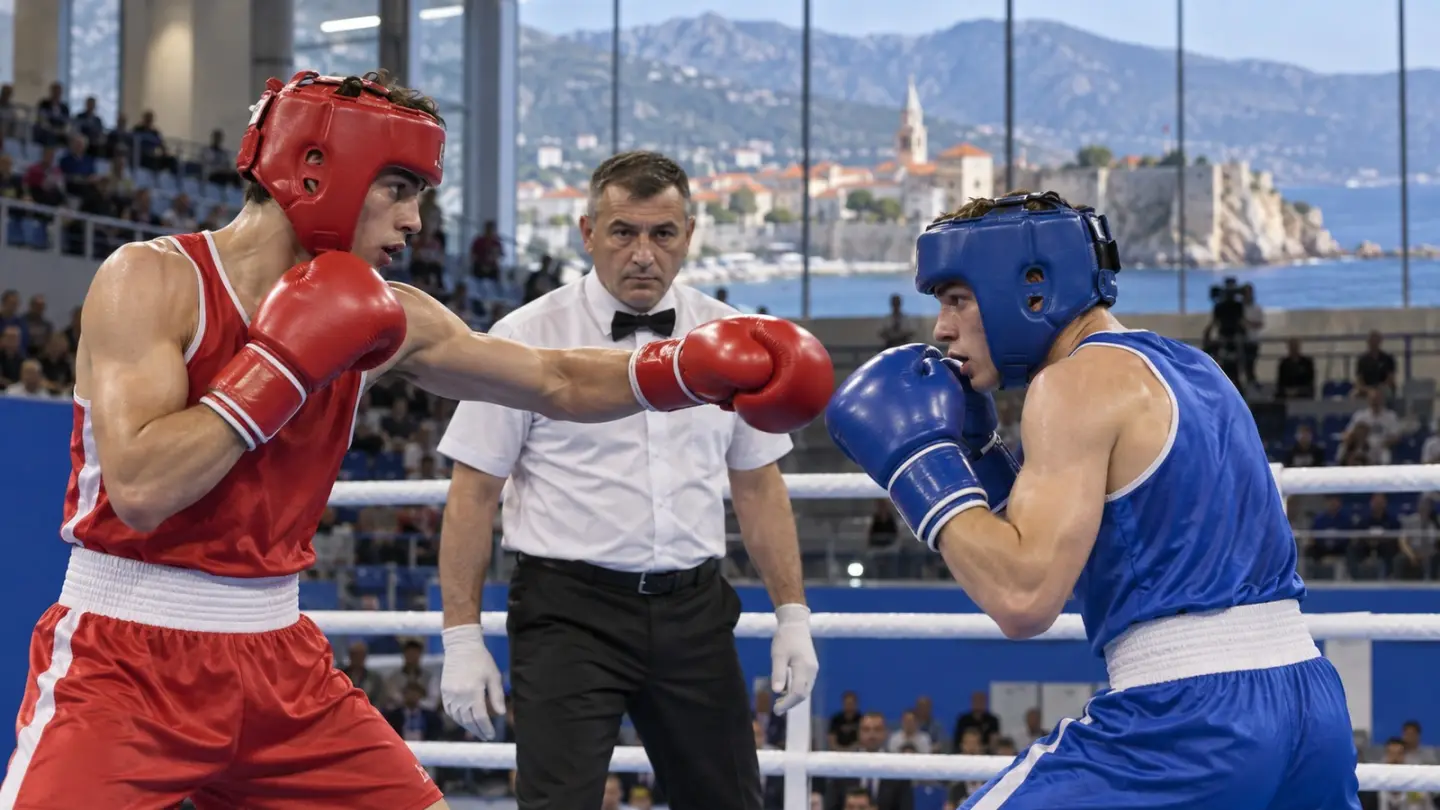
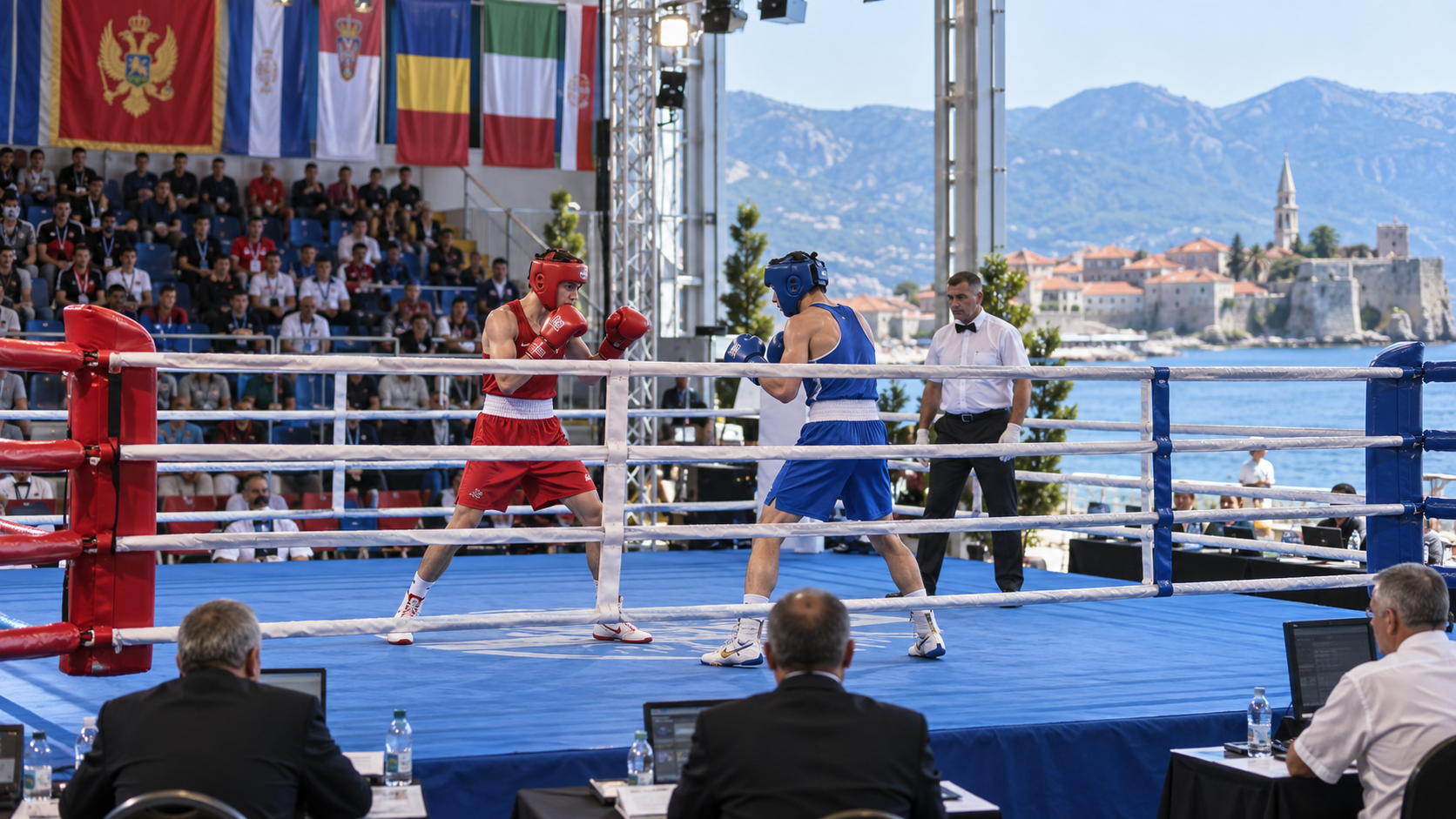
More than 550 boxers from over 75 national federations are expected to contest the World Boxing Under-19 World Boxing Championships in Budva, Montenegro, from 16 to 27 October.
World Boxing said the 12-day tournament would take place at Budva’s Mediterranean Sports Venue, with 10 weight classes scheduled in both the men’s and women’s competitions. The draw is due to be held on 15 October, before boxing starts the following day.
The event will be only the second edition of the Under-19 World Boxing Championships. World Boxing said the inaugural competition was staged in Colorado Springs, United States, in October and November 2024, when 20 male and female boxers won gold medals.
The governing body has presented the Budva tournament as a competitive opportunity for 17 and 18-year-olds, intended to expose them to opponents from across the world before they move into elite, non-age-group international boxing.
A broad international field in Budva
World Boxing said the entry was expected to include more than 350 male competitors and nearly 200 female competitors. The scale of that field means the championships will bring together boxers from a range of national programmes across 20 divisions.
For those involved, the significance is not simply the opportunity to pursue a medal. World Boxing said its age-group calendar was designed to offer young athletes competition against high-level international opponents at a stage when they are beginning to prepare for senior boxing.
Pitt said a medal would demonstrate success at world age-group level, while recognising that further levels remain before the top of the sport.
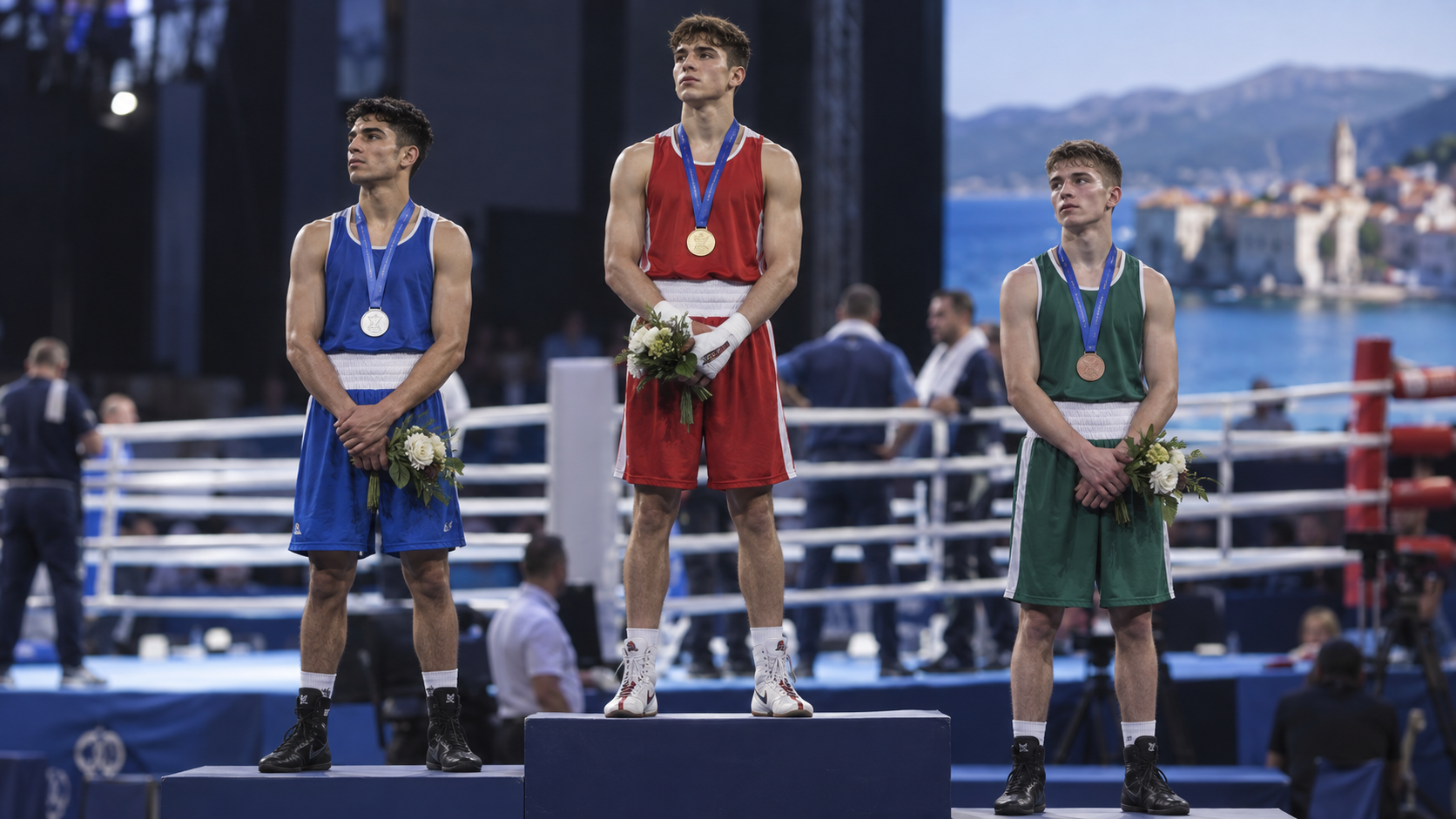
The championship follows the 2024 edition in Colorado Springs, which supplied one example of the experience available to its winners. Welsh boxer Daniel Pitt won the cruiserweight, or M85kg, gold medal at that inaugural event after defeating Kazakhstan’s Danial Raimbekov in the final.
Pitt outlines the value of the first event
Pitt, now 20, told World Boxing that the 2024 tournament had been important in his subsequent transition towards elite competition. He said that, before travelling to Colorado Springs, much of his youth experience had been in Europe. At the world championships, he encountered opponents and styles he had not previously faced.
According to World Boxing, Pitt boxed an Indian opponent in his first contest before meeting Raimbekov in the final. He said winning against that level of opposition gave him confidence that he could compete successfully on the world stage.
Pitt also said the tournament’s wider profile had created a different type of pressure. He reported increased publicity in Wales and greater media attention once the team reached the United States, and said managing those demands away from the ring had helped him develop as a boxer.
World Boxing said Pitt has since had 11 bouts at international elite competitions in Europe. It added that he won light-heavyweight, or M80kg, bronze at the Gee Bee Tournament in Helsinki in April 2026 and narrowly missed a medal at the Glasgow 2026 Commonwealth Games.
He is currently taking a break from international boxing to concentrate on the final year of his studies at Cardiff Metropolitan University, World Boxing said. Pitt was also elected to the organisation’s Athlete Committee in November 2025.
An age-group opportunity, not a finished pathway
Pitt’s record offers a grounded example of why World Boxing is emphasising the competition’s developmental purpose. His experiences suggest that facing unfamiliar opponents and operating in a larger international setting can help prepare a young boxer for the demands of elite events.
However, his account remains personal evidence from a previous winner rather than a guarantee for the 2026 entrants. The immediate task for the Budva field will be to negotiate the draw and compete over the 12-day programme. For the boxers aged 17 and 18 who take part, World Boxing said the event would provide an opportunity to test themselves against peers from around the world.