
NBA G League United beat Lithuania’s Rytas Vilnius 89-86 in Beijing on 27 September to win the FIBA Intercontinental Cup, becoming the first United States-based champion of the competition since the Maryland Terrapins in 1974.
The victory ended a 52-year wait for a US winner and delivered a first Intercontinental Cup title for the G League select side, which had reached the final in 2024 and 2025 before losing to Unicaja on both occasions in Singapore.
Eric Dixon was named the tournament’s Most Valuable Player after scoring 18 points in the final, including the decisive responses when Rytas recovered late. Sean East II led United’s scoring with 19 points and made the free throws that secured the three-point victory, while Phillip Wheeler contributed 15 points and eight rebounds.
Dixon answers Rytas’s late recovery
United had to withstand a substantial swing in a final which changed direction more than once. Mahmoud Abdelfattah’s team trailed by four points at half-time, but turned that deficit into a 13-point lead with six minutes remaining.
Rytas then fought back to level the score twice during the final 90 seconds. On each occasion, FIBA reported that Dixon supplied the answer: first with a three-pointer, then with a left-handed hook shot. East subsequently finished the contest from the free-throw line.
Dixon’s final performance came from the bench, with five rebounds added to his 18 points in 26 minutes. Across the four matches, FIBA said he averaged 16.3 points and 4.5 rebounds per game, alongside a team-best efficiency rating of 15.8, supporting his selection as the event’s MVP.
United’s ball security and defensive pressure were also significant in such a narrow result. The winners committed six turnovers, compared with 14 by Rytas, and recorded nine steals. They converted those turnovers into 15 points, a margin which offered a measurable advantage before the final late-game exchanges.
First title after two final defeats
The result completed a tournament run in which NBA G League United had beaten hosts Beijing Royal Fighters and Argentina’s Boca Juniors in the group phase, before overcoming Rwanda’s RSSB Tigers in the semi-finals. The 2026 success followed final losses to Unicaja in each of the preceding two editions.
FIBA reported that United’s previous appearances in the 2024 and 2025 finals had already made it the first US team to reach the championship game in 50 years. The eventual 2026 win therefore moved the select side beyond that earlier landmark, while ending the longer wait for a winner from the United States. FIBA also recorded that Europe remained the competition’s most successful continent, with 24 first-place finishes.
For Rytas, the narrow defeat came without starting point guard Cassius Winston, who injured his ankle in the semi-final. Kay Bruhnke finished with 15 points and nine rebounds, while Matas Jogela also scored 15 points, including two difficult late three-pointers that helped keep the final close. Augustas Marciulionis added 12 points and nine assists from the bench.
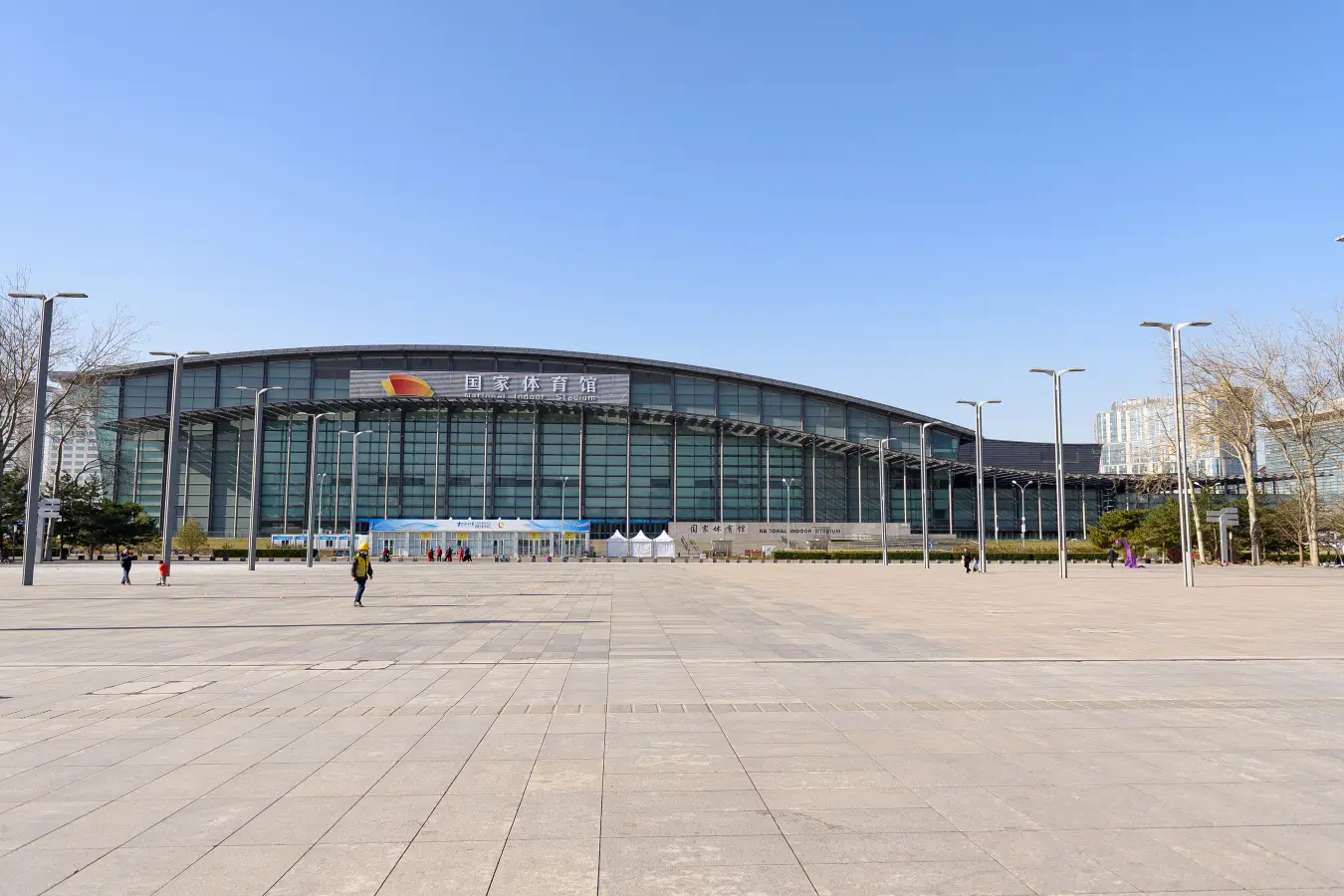
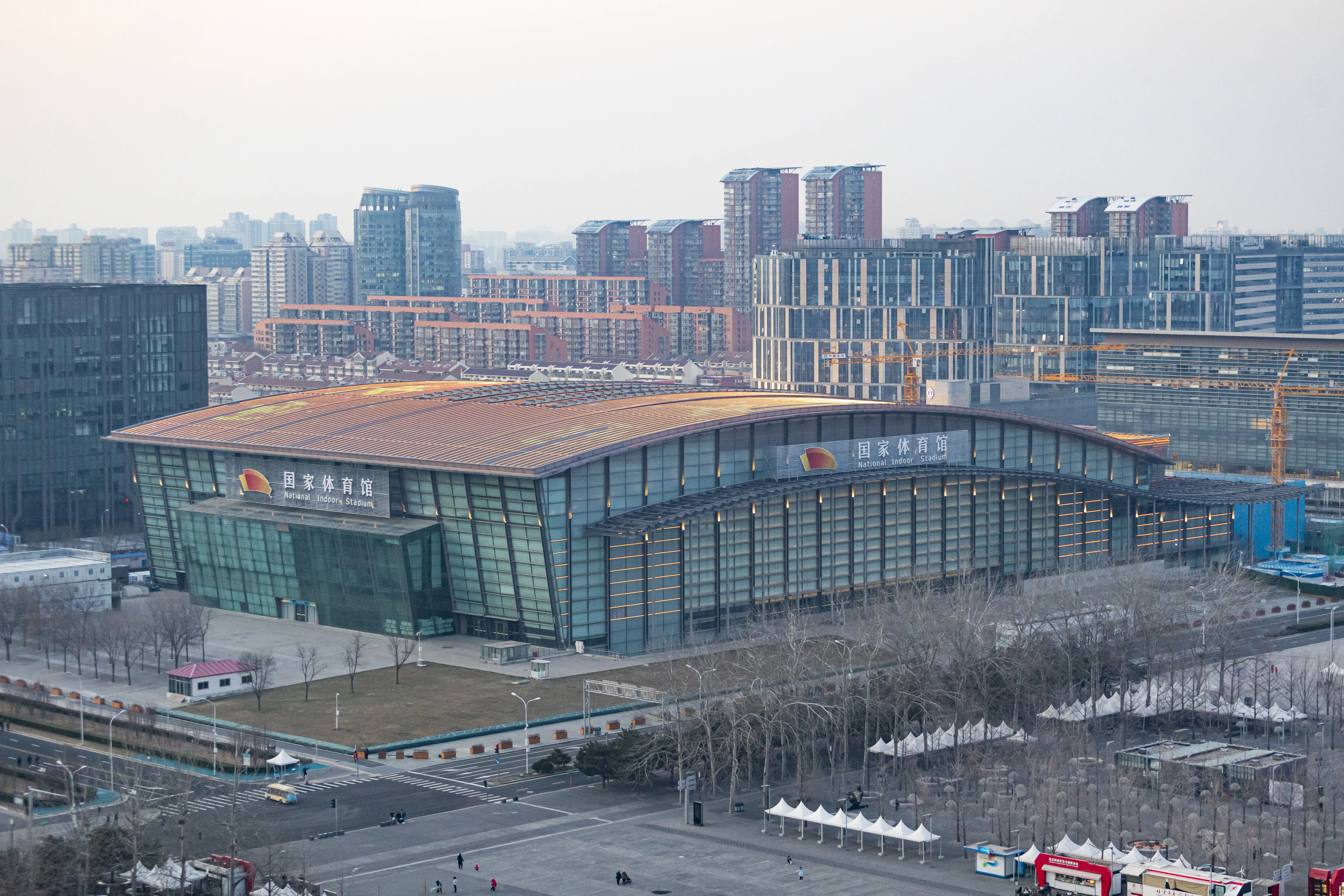
The championship game attracted 8,342 spectators, which FIBA described as a modern-era attendance record for the competition. It surpassed the 8,205 reported for the previous year’s final in Singapore. Beijing was hosting the Intercontinental Cup for the first time in 2026 and is scheduled to remain the event’s host city through 2028.
United’s win means the United States now has six championship-winning teams in the competition’s history, according to FIBA. The immediate significance, however, rests with the G League side: after two consecutive final defeats, it held off Rytas’s strongest surge to end the long gap since a US-based club last lifted the trophy.