
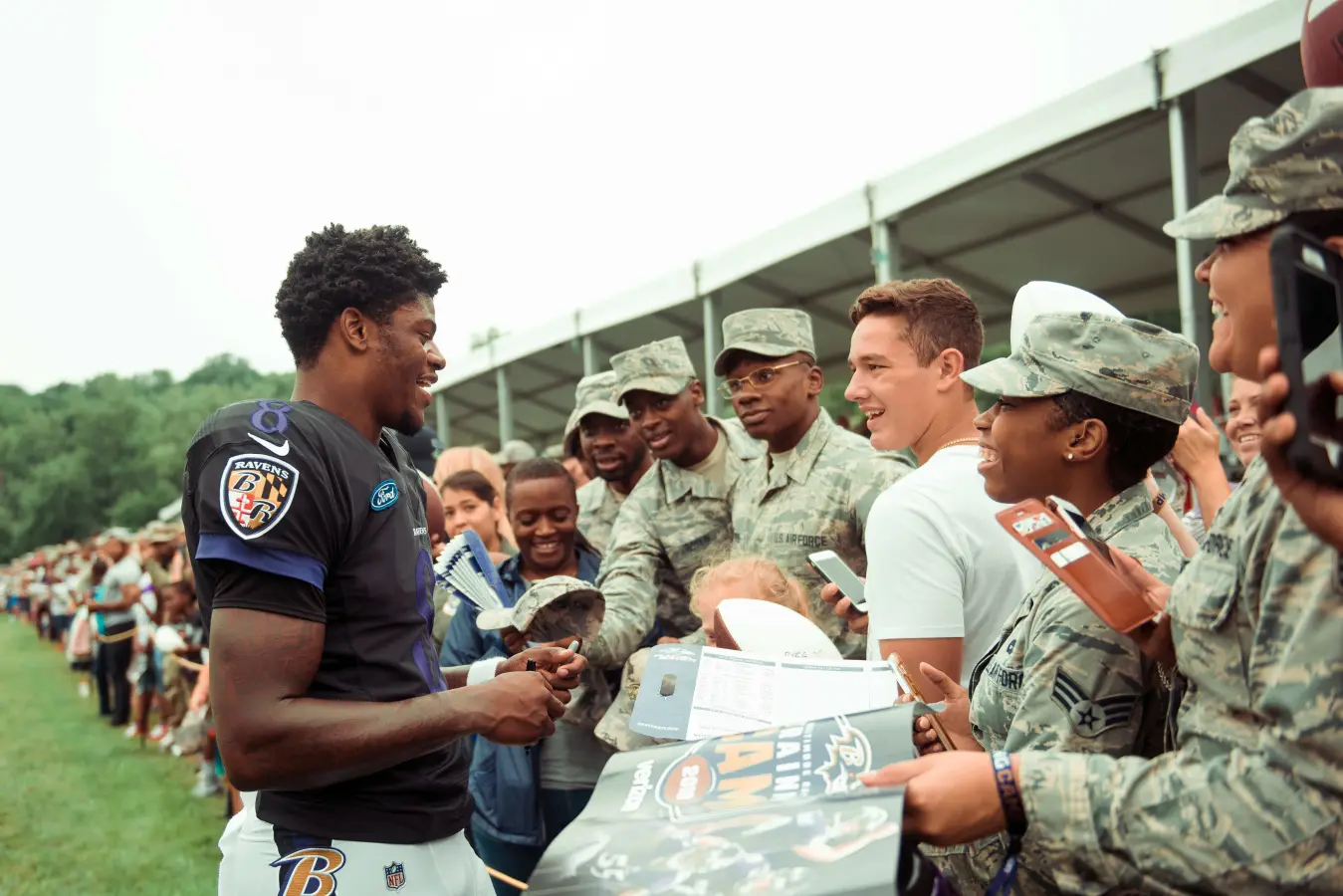
Baltimore Ravens beat the Dallas Cowboys 34-31 at the Maracanã after Tyler Loop converted a 56-yard field goal as time expired, completing an extraordinary seven-second finish to the first NFL regular-season game staged in Rio de Janeiro.
Dallas had drawn level at 31-31 when Brandon Aubrey made a 23-yard field goal with seven seconds remaining. But the Cowboys then chose a touchback from the restart, handing Baltimore the ball at their own 35-yard line with seven seconds remaining and no time coming off the clock.
Lamar Jackson immediately found Zay Flowers over the middle for 27 yards. Jackson called timeout as Flowers went down, leaving one second for Loop to make the decisive kick. The result moved Baltimore to 2-1, while Dallas fell to 1-2.
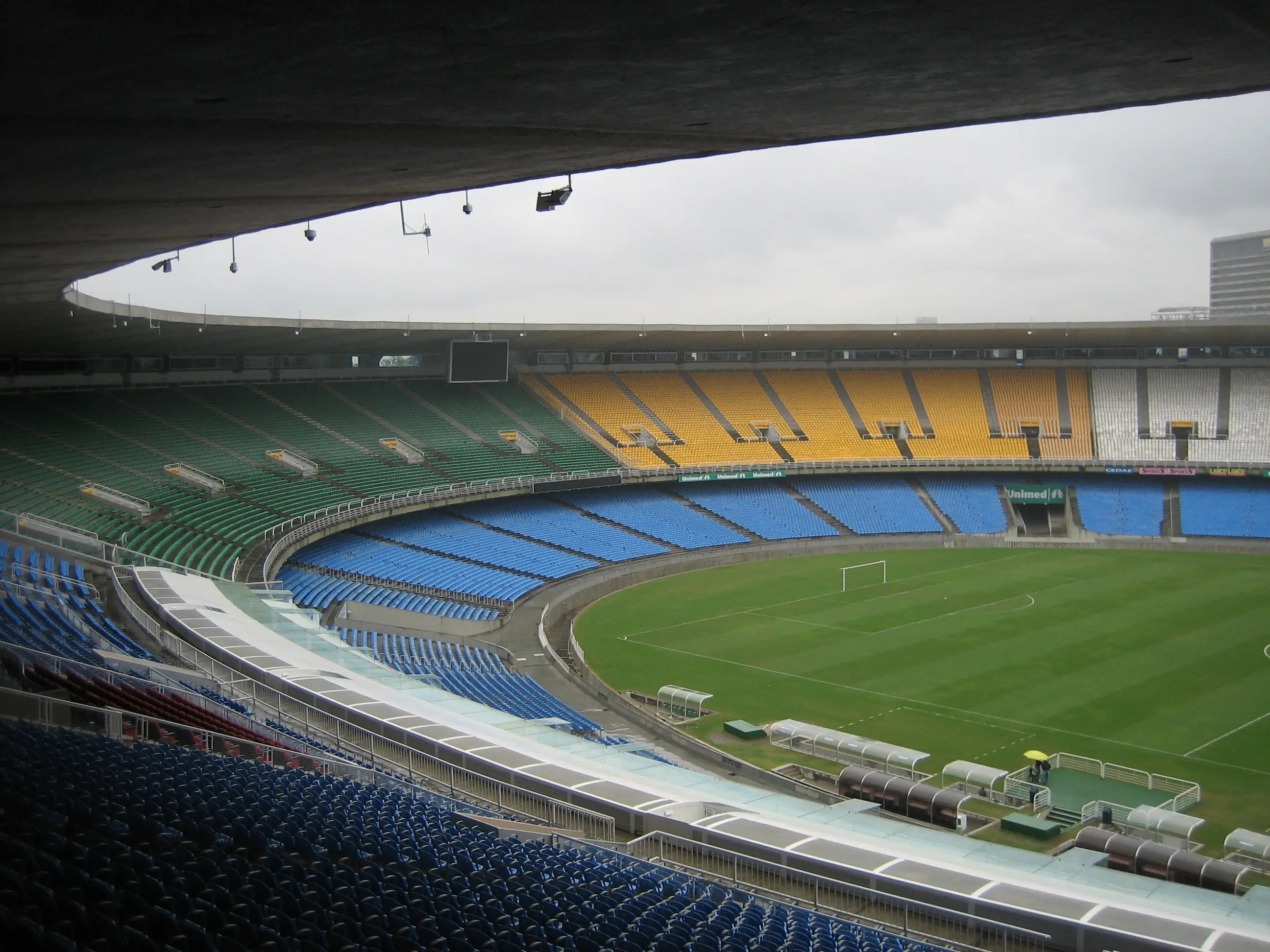
The match, played before 72,792 spectators, was the NFL’s third regular-season game in Brazil but its first in Rio. Its closing sequence ensured the new host city’s debut ended with a finish defined by one kickoff decision and Baltimore’s rehearsed response.

Dallas’s touchback opens the door
The Cowboys’ decision was shaped by earlier problems on kickoffs. Dallas coach Brian Schottenheimer said Aubrey had sent two earlier attempts out of bounds, each giving Baltimore possession at the 40-yard line. Schottenheimer said the Cowboys therefore opted to send the ball through the end zone, expecting their defence to contain a short completion and take the game to overtime.
The touchback gave Baltimore possession at its own 35-yard line with seven seconds remaining and took no time off the clock.
Ravens coach Jesse Minter said seven seconds made the difference. He indicated that Baltimore might have run out the clock and accepted overtime with less time available, but said the team had prepared for exactly the catch-and-timeout situation that followed.
Jackson said Baltimore had repeatedly worked on the scenario during training camp. His completion to Flowers, followed by the instant timeout, gave Loop an attempt from the Cowboys’ 38-yard line. Schottenheimer said Dallas played a soft man-to-man robber look intended to force an underneath throw rather than allow a deep route, but Flowers’ in-breaking route provided the opening Baltimore required.
Loop supplies a late response
Loop’s kick was his first career game-winner and carried particular significance after a missed 44-yard attempt at the end of Baltimore’s final game of the previous season had ended the Ravens’ campaign. Jackson told the kicker afterwards that his legacy began with the Rio finish, according to ESPN.
The Ravens had appeared to be heading towards another damaging late reversal before their final drive. They had led by as many as 11 points, but Dallas turned the contest in the fourth quarter after stopping Derrick Henry on fourth-and-goal from the one-yard line.
The Cowboys then drove 96 yards in seven plays. Dak Prescott connected with CeeDee Lamb for 49 yards before KaVontae Turpin’s nine-yard rushing touchdown put Dallas 28-24 ahead with 9:42 left, Sky Sports reported.
Baltimore responded with an 11-play, 64-yard possession, ending when Jackson found rookie tight end Matthew Hibner for a two-yard touchdown with 1:30 remaining. Dallas subsequently reached the Ravens’ 10-yard line but could not score a touchdown, settling instead for Aubrey’s equaliser.
In analysis, the final field goal offered a sharply different outcome after a game in which Baltimore’s lead had disappeared. CBS Sports reported that the Ravens had lost 10 games since 2022 after leading by at least eight points in the second half. In Rio, they recovered from the Cowboys’ fourth-quarter surge, executed a prepared late-game play and gave Loop the chance to turn a previous disappointment into the deciding contribution.